
A Guernsey SPV structure keeps one asset or one deal inside a company of its own. The standard company income tax rate is 0%, and the island has no capital gains tax and no VAT. Guernsey also invented the protected cell company in 1997, so a single vehicle can hold several deals in ring fenced cells.
It does take some care. A private individual cannot file the incorporation, most companies need a resident agent, and a cell company needs consent from the Guernsey Financial Services Commission. The owner, often a trust with an enforcer, has to be settled before the Registry sees anything.
This is the part we take off your hands. Binderr works with licensed Guernsey resident agents and runs your whole Guernsey SPV formation: the structure call, the trust or group ownership, your KYC pack, the constitution, the Registry filing and the records. One team, one price from €1,899, and the vehicle is ready in about a week.

Guernsey Company Incorporation
Binderr
Corporate tax
0% standard / 10% regulated activities
Capital gains and inheritance tax
0%
Time to incorporate
1 Week
Cost
Starting from €1,899
Why Set Up an SPV in Guernsey
Sponsors choose Guernsey because the vehicle pays no tax on the island, the cell company was born there, and the Registry can incorporate within minutes. Read more: the benefits of setting up a company in Guernsey.
The Island That Invented the Protected Cell Company
Guernsey introduced the protected cell company in 1997 through the Protected Cell Companies Ordinance, and Carey Olsen notes it was the first country in the world to do so. The incorporated cell company followed in 2006, and both now sit in the Companies (Guernsey) Law, 2008. A cell keeps each deal's assets away from the creditors of every other deal.
No Company Tax on the Vehicle
The standard company income tax rate in Guernsey is 0%. The 10% rate is a closed list of regulated businesses such as banking and custody, and the 20% rate covers utilities, large island retailers and Guernsey property income. A vehicle that holds a foreign asset, or issues notes to fund one, is on neither list.
Set Up an SPV in Guernsey
A Guernsey vehicle is simple to set up once the purpose, the owner and any consent are settled in the right order. This is the work we do for you.
- Structure agreed first: We write down what the vehicle owns, earns and must never do.
- Filed by a licensed agent: Individuals cannot file in Guernsey, so our resident agents do it.
- 0% company tax: Holding and financing vehicles sit on the standard rate.
- Cells where they began: Protected and incorporated cells, with the GFSC consent handled.
- Owner settled early: Purpose trust, charitable trust or group parent, decided before filing.
- One contact to closing: No email chains between you, the agent and the Registry.
Nothing Withheld on Interest or Dividends
Guernsey takes no withholding tax on interest or dividends paid to non-residents. PwC's Guernsey tax summary, reviewed on 21 September 2026, shows a domestic rate of 0% on both, which suits a note issuer paying coupons abroad. There is also no capital gains tax and no VAT or GST.
A Registry That Works in Minutes
Under the Guernsey Registry fee schedule in force since 1 December 2025, standard incorporation costs £100 within 24 hours, the rapid service £500 within 2 hours and the special service £1,000 within 15 minutes.
What a Guernsey Special Purpose Vehicle Is and What It Is Not
A Guernsey special purpose vehicle is a company, or a cell of one, formed to do one job: own an asset, issue notes, carry one investment or sit between two partners. SPV names the role, not a legal form. Because it owns nothing else, the lender and any buyer see the whole picture, and the asset can be sold by transferring the shares.
The Legal Forms a Vehicle Can Take
Most vehicles are private companies limited by shares. The other options are a cell of a protected cell company, an incorporated cell, a limited partnership under the Limited Partnerships (Guernsey) Law, 1995, or a foundation. Our guide on how to incorporate a company in Guernsey covers the standard company.
What the Vehicle Is Not
It is not a trading company, and it is not hidden. The Beneficial Ownership of Legal Persons (Guernsey) Law, 2017 requires the owners to be filed at incorporation and every change within 14 days. If the idea is new to you, start with what an SPV company is.
What an SPV in Guernsey Is Used For
Property has the next section to itself. Beyond it, Guernsey vehicles issue debt against a pool of assets, own aircraft and ships, carry fund money and give joint venture partners neutral ground.
Securitisation and Debt Issuance
The vehicle buys receivables, loans or leases from the originator and pays for them by issuing notes. Investors are repaid from the cash those assets produce, so the notes depend on the pool, not on the seller. Guernsey cells are also used for insurance linked securities, where investors fund reinsurance risk.
Aircraft and Ship Leasing
Aircraft, engines and vessels are financed one asset at a time, and the lender takes security over a company that owns nothing else. Guernsey launched its own aircraft register, 2-REG, in December 2013 for lessors moving aircraft between leases, and it had nearly 1,000 aircraft on its books after ten years.
Fund and Co-Investment Vehicles
Managers use a Guernsey company to hold one investment next to a fund, to pool co-investors into a single line, or to act as general partner of a limited partnership. Umbrella funds often use a cell for each strategy. See how to register a private investment fund in Guernsey.
Joint Ventures
When two sponsors from different countries invest together, a Guernsey company gives them a place neither of them controls. The share split, the deadlock route and the exit are written into the articles before any money moves.
Guernsey Company Incorporation
Binderr
Corporate tax
0% standard / 10% regulated activities
Capital gains and inheritance tax
0%
Time to incorporate
1 Week
Cost
Starting from €1,899
Guernsey SPV for Real Estate
Investors set up a Guernsey SPV for real estate so that one building sits in one company, the loan is secured on that company, and a buyer can take the building by buying the shares. Guernsey adds no tax on a building abroad.
UK Property Held From Guernsey
A Guernsey company that owns UK property pays UK tax on it. Since 6 April 2019 a non-resident company pays UK tax on gains from UK land and UK property rich shares, and since 6 April 2020 it pays UK corporation tax on UK rental profits. Guernsey adds nothing on top.
The UK Register of Overseas Entities
Before a Guernsey company can buy, sell, lease or charge UK land, it must register with Companies House as an overseas entity, for a £250 fee. A UK regulated agent checks every beneficial owner and managing officer no more than 3 months before registration, and the company gets an Overseas Entity ID for the Land Registry. An update statement is due every year. In England and Wales the rule reaches property bought on or after 1 January 1999, and ignoring it can mean a fine, prison or both.
Guernsey Property Is Taxed at 20%
The position changes when the building is on the island. Income from Guernsey land and buildings is taxed at 20%, and document duty can apply when interests change hands in certain unlisted entities that hold Guernsey real property.
One Building or a Whole Portfolio
A portfolio bought over time can use cells, with each building in its own cell and one administrator for the lot. If you set up a Guernsey SPV for real estate this way, the Registry charges a £785 base validation plus £100 for each protected cell or £250 for each incorporated cell. Read more: how to use an SPV for real estate investment.
How a Guernsey SPV Structure Is Owned
The vehicle is either owned by the sponsor, which is cheaper but consolidates it into the group accounts, or orphaned, meaning nobody in the deal owns the shares. That choice drives the balance sheet treatment and the cost, so agree it before you set up a Guernsey SPV structure.
Orphan Ownership Through a Purpose Trust
The Trusts (Guernsey) Law, 2007 allows a non-charitable purpose trust, which holds property for a stated purpose rather than for people. Carey Olsen lists holding the shares of an SPV used in securitisations and off balance sheet deals as one of its main uses. The trust must have an enforcer, a person or a company that is not the trustee, and it can last without a time limit unless its terms say otherwise. Read more: how to set up a Guernsey trust.
Charitable Trust Ownership
The older pattern puts the shares on a charitable trust held by a professional trustee. It gives the same bankruptcy remoteness: if the originator fails, the vehicle's assets are not part of its estate. Any value left at the end goes to charity, so where nobody intends that, the purpose trust is cleaner.
A Foundation as the Owner
A foundation under the Foundations (Guernsey) Law, 2012 can hold the shares instead. It has its own legal personality, so there is no trustee. See how to set up a Guernsey foundation.
What the Registry Sees
Whoever holds the shares, the beneficial owners are filed at incorporation and any change within 14 days, looking through any trust to the people behind it. Our ultimate beneficial owner guide shows how that tracing works.
Requirements for an SPV in Guernsey
The legal minimum is short: one director, one member, a registered office, a resident agent and a licensed provider to file. Cell companies need GFSC consent, and note offers follow the prospectus rules.
Directors, Members and Share Capital
Every Guernsey company needs at least one director at all times and may have a single member. Both can be individuals or companies based anywhere. There is no minimum share capital, and shares can have a par value or none. Read more: Guernsey company incorporation requirements and documents.
The Resident Agent and Registered Office
Most companies must appoint a resident agent, and only two kinds of person qualify: a Guernsey resident individual who is a director of the company, or a corporate service provider. A sponsor abroad uses a licensed provider, which also supplies the registered office. Changes to the agent or the directors are filed within 14 days.
Who Files the Incorporation
A private individual cannot file. Only a corporate service provider with a full fiduciary licence from the GFSC can submit the application, after its own due diligence on every owner and director.
GFSC Consent for Cell Companies
A protected or incorporated cell company needs GFSC consent to be formed or converted. A protected cell company must also be administered by a licensed administrator, or be licensed under the Protection of Investors (Bailiwick of Guernsey) Law, 2020 or the Insurance Business (Bailiwick of Guernsey) Law, 2002. A plain company needs no consent.
Issuing Notes and the Prospectus Rules
Guernsey no longer asks a company for consent before it borrows. The States approved removing that requirement from the Control of Borrowing Ordinance in December 2007, and the GFSC now lists the ordinance as archived. What applies is the Prospectus Rules and Guidance, 2025, in force from 1 July 2025, which exempt offers to up to 200 persons, listed securities, qualified investors and a £100,000 minimum.
Guernsey SPV Formation for Non-Residents
A sponsor in London, Dubai or Singapore sets up the vehicle exactly as an island resident would. There is no residency or nationality rule and nobody travels. A licensed provider files, supplies the office and acts as resident agent.
What Changes When the Sponsor Lives Abroad
The provider becomes the fixed point. It files the incorporation, holds the statutory registers and keeps the ownership information current. Documents are certified in your own country and signed electronically. See Guernsey company incorporation for non-residents and our wider guide to setting up a company as a non-resident.
Where the Board Meets Still Matters
A company is Guernsey tax resident if it is incorporated there, centrally managed and controlled there, or controlled by Guernsey resident individuals. The United Kingdom treats a company as UK resident where its central management and control is exercised, so a vehicle whose real decisions are made in London can be taxed in London. Appoint directors who decide, and meet in Guernsey with a quorum present.
Guernsey Special Purpose Vehicle Formation From Abroad
Forming a vehicle from another country is normal work for us, and every step happens remotely.
- Any country of residence: Directors and members can live anywhere, with no nationality test.
- Remote from start to finish: Documents certified at home, then signed and filed online.
- Resident agent arranged: We work with the licensed island agent, so you deal with one team.
- Registered office in place: The Guernsey address and the registers exist from day one.
- Board planned around residence: Directors and the meeting place agreed before filing.
- Account without a branch visit: Our banking partners open accounts for vehicles owned from abroad.
How to Set Up an SPV in Guernsey
Here is how to set up an SPV in Guernsey in five stages, in an order that keeps the ownership, the substance position and any consent clean. We run each stage with our licensed agent, so you never deal with the Registry yourself.
Settle the Purpose and the Owner
The first call fixes what the vehicle will own, who holds the shares and what it must never do. That decides the substance test, the need for a trust and most of the running cost.
Build the KYC Pack
The provider must identify every director, member and beneficial owner, plus the trustee and enforcer where a trust owns the shares. We collect certified passports, proofs of address, the ownership chart and source of wealth evidence, and fix name mismatches before filing.
Reserve the Name and Draft the Articles
A name can be reserved for 3 months for £25. It must end in Limited, Ltd or an accepted equivalent, and words such as bank, fund or insurance need approval. The articles set the share classes and, on a joint venture, the exit.
File With the Guernsey Registry
Our agent files online and pays the Registry fee, which is inside our price. Most vehicles take the £100 standard service, and the faster ones suit a fixed closing date. A cell company files only once the GFSC consent is in hand.
Open the Registers, the Account and the Deal Documents
The company then opens its registers, registers with the Revenue Service and applies for its account with the same KYC pack. The deal documents are signed last, because a lender expects the company, its owner and its account to exist first. A vehicle buying UK property also registers as an overseas entity before completion.
Documents Needed for an SPV in Guernsey
One pack serves the agent, the Registry and the bank, so we collect it once. The Registry needs the company details and the owners, while the agent and the bank need the evidence behind them.
For Each Director, Member and Beneficial Owner
- Passport: Valid and certified, with the same name as on every other document.
- Proof of address: A recent utility bill or bank statement, usually within 3 months.
- Source of wealth: How the money behind the vehicle was earned, with papers to show it.
- Position in the structure: Director, member, beneficial owner, trustee or enforcer.
- Tax residence: The country and tax number used for reporting.
For the Vehicle, the Trust and the Deal
For the company we need the proposed name, the share classes and a short note of what it will own and receive. Where a trust holds the shares, add the trust instrument and the trustee and enforcer details. For the deal, add the asset, the counterparties and the expected cash flows. Copies are certified by a lawyer, notary or accountant, and anything in another language needs a certified translation.
Guernsey Company Incorporation
Binderr
Corporate tax
0% standard / 10% regulated activities
Capital gains and inheritance tax
0%
Time to incorporate
1 Week
Cost
Starting from €1,899
Protected and Incorporated Cells for Ring Fencing
Where a sponsor runs a series of similar deals, one cell company with a cell for each deal replaces a row of separate companies. Our guide to Guernsey protected cell and incorporated cell companies covers them in full.
How a Protected Cell Works
A protected cell company is one legal entity divided into cells. If a cell cannot pay a creditor from its own assets, that creditor has no claim on the assets of the other cells or of the core. Cells have no legal personality of their own, so they cannot contract with each other, and a cell cannot be wound up on its own. Rent a captive insurance is a classic use: see captive insurance in Guernsey.
How an Incorporated Cell Works
Each incorporated cell is a separately registered legal entity, so cells can contract with one another. An incorporated cell cannot own shares in its own incorporated cell company. Registering a new incorporated cell costs £100 at the Registry, within 24 hours.
What Cells Cost Each Year
Cell companies pay a higher annual validation than a plain company: a £785 base fee, plus £100 for each protected cell and £250 for each incorporated cell. Converting a company or a cell costs £250. A protected cell company with ten cells pays £1,785 a year to the Registry, against £525 for one company run by a corporate service provider.
When a Cell Beats a Separate Company
Cells pay off when deals repeat. For one deal, a single company is cheaper and needs no GFSC consent. For a programme of similar deals, one cell company with one administrator costs less per deal, and each new cell is ready faster than a new company.
Listing SPV Notes on The International Stock Exchange
The International Stock Exchange (TISE) is the usual listing venue for a Guernsey note issuer. It runs from Guernsey, Jersey, the Isle of Man, Dublin and London, describes itself as a regulated market outside both the United Kingdom and the European Union, and reports more than 2,600 issuers and more than 4,500 listed securities.
A listing does two practical jobs. TISE is a recognised exchange for the UK quoted eurobond exemption, which lets interest be paid without UK tax deducted, and many investment mandates can only buy listed paper. Under the Prospectus Rules and Guidance, 2025, an offer of securities listed or traded on a stock exchange is also exempt from the Guernsey prospectus requirement.
TISE lists bonds through its Qualified Investor Bond Market, and its TISE Express service turns a listing around in 24 hours, so the exchange is rarely what holds up a closing.
Economic Substance for an SPV in Guernsey
What the vehicle does decides its substance test, and so much of its running cost. Guernsey's rules are in the Income Tax (Substance Requirements) (Implementation) Regulations, 2018, as amended, and the answers go on the tax return.
The Nine Relevant Activities
The regulations cover banking, distribution and service centres, financing and leasing, fund management, headquartering, insurance, shipping, pure equity holding and intellectual property. A vehicle outside all nine, or with no income from them in a period, has no test for that period.
A Lending or Leasing Vehicle Carries the Full Test
Guernsey defines financing and leasing as providing credit facilities of any kind for consideration, unless the activity falls within banking, fund management or insurance. A note issuer that lends the proceeds on, or a vehicle that leases out an aircraft, sits here. Its core income generating activities, such as agreeing funding terms and monitoring the agreements, must happen in Guernsey.
Directed and Managed in Guernsey
An in scope vehicle must hold its board meetings in Guernsey often enough, with a quorum physically present, and most of the people taking core decisions must be on the island when they take them. The staff and premises of a Guernsey service provider count towards the test, as long as they are not counted twice across clients, which is how most vehicles meet it.
A Holding Vehicle Carries the Reduced Test
A vehicle whose main function is to acquire and hold shares, with no commercial activity, is a pure equity holding company. It only has to meet its company law duties and keep adequate people and premises in Guernsey in proportion to what it does.
Funds, Penalties and Reporting
Regulated collective investment vehicles are outside the regime unless they manage themselves. For everyone else, a first failure costs up to £10,000, rising to £100,000 for later failures, with information passed to the tax authorities connected to the company and, in the end, strike off.
Tax on an SPV in Guernsey in 2026
On the island the vehicle pays 0% and files a return. The tax that matters is paid where the asset sits and where the investors live, so a Guernsey vehicle is neutral rather than tax free.
Item | The Guernsey side | What to check elsewhere |
|---|---|---|
Company income tax | 0% standard rate | The asset's or borrower's country taxes its own profits first |
Interest paid to noteholders abroad | No Guernsey withholding tax | Tax where the noteholder lives |
Dividends paid to members abroad | No Guernsey withholding tax | Tax where the member lives, and any CFC rules |
Gain on selling the asset or the shares | No capital gains tax | Countries that tax gains on property rich shares |
Rent and gains from UK property | Not taxed in Guernsey | UK corporation tax on rent since 6 April 2020 and UK tax on gains since 6 April 2019 |
Dividends to a Guernsey resident member | A charge the company deducts and reports | The member's own Guernsey return |
VAT or GST | None | VAT or GST where the underlying business trades |
Corporate tax return | By 30 November following the year of charge | Local returns for the asset and the investors |
Guernsey adds nothing, so the vehicle is only as efficient as the position between the asset's country and the investor's country.
Where a Financing Vehicle Could Fall
The 10% list covers regulated businesses such as banking, custody and fund administration. Lending its own note proceeds does not make a vehicle a bank, so a financing vehicle stays at 0%, and the small margin it keeps is not taxed. It moves up only if it takes on a listed regulated activity, or earns income from Guernsey land at 20%.
The exception is a very large group. Guernsey applies a 15% domestic top up tax to groups inside the global minimum tax rules, meaning consolidated revenue of at least €750 million in 2 of the previous 4 financial years.
Guernsey SPV Cost in 2026
Our price starts from €1,899, paid once, for a standard Guernsey company limited by shares used as a single purpose vehicle. It covers the structure and ownership advice, the KYC pack, the name reservation, the constitution, the Registry fee, the resident agent and registered office at formation and the first ownership filing, confirmed in writing before you pay. Cell companies, trusts, foundations and regulated vehicles are quoted separately.
This table adds the running costs of a realistic first year.
Cost item | When it is paid | Typical amount | What it covers |
|---|---|---|---|
SPV formation with Binderr | Once, before filing | From €1,899 | Advice, KYC pack, constitution, the Registry fee, agent and office at formation |
Resident agent, office and administration | Each year | About €2,000 to €4,500 a year, as a planning range | The licensed provider, the island address, the registers and the ownership filings |
Annual validation | 1 January to the last day of February | £525, or £785 plus a fee per cell for a cell company | The yearly confirmation of company details |
Corporate tax return and substance reporting | By 30 November following the year of charge | Usually inside the provider's fee | The 0% return and the substance answers |
Accounts preparation | Each year | About €900 to €2,500 a year, as a planning range | Accounts for the members, the lender and any buyer |
Trustee and enforcer | Each year, on an orphan vehicle | Quoted with your setup | The purpose or charitable trust that owns the shares |
Guernsey resident or professional directors | Each year, where needed | Quoted with your setup | Directors who meet and decide on the island |
Listing and deal counsel | At closing, on a note issue | Quoted by the exchange and counsel | The TISE listing and the transaction documents |
Business account with our banking partners | Monthly, once open | About €30 to €100 a month on a published plan | A multi-currency account with real IBANs |
Realistic first-year total | Year one | About €6,000 to €11,000 for a straightforward vehicle | Our price, the filings, the provider, accounts and banking |
The Registry fees are fixed. Everything else moves with the deal.
Guernsey SPV Cost by Profile
What the vehicle does moves the budget far more than the formation fee does.
Vehicle profile | Realistic first year | What drives the cost |
|---|---|---|
Single asset vehicle, sponsor abroad | About €6,000 to €9,000 | The provider and the office, on a light substance position |
Vehicle holding UK or Guernsey property | About €8,000 to €15,000 | UK registration and returns, or Guernsey property tax at 20% |
Joint venture vehicle, two sponsors | About €7,000 to €12,000 | Negotiated articles, two KYC packs and independent directors |
Orphan vehicle on a purpose trust | About €9,000 to €18,000 | Trustee and enforcer fees and professional directors |
Financing or note issuing vehicle | About €10,000 to €20,000 before deal counsel | The full financing and leasing substance test and a listing |
Cell company for a programme of deals | Quoted separately | GFSC consent, the £785 base validation and the fee per cell |
Every figure other than the Registry fees is a planning range. Read more: how much a Guernsey company costs and our guide to company formation costs.
Guernsey SPV Formation From €1,899
The Guernsey SPV cost starts from €1,899 with us, and you see the whole first-year budget before you pay.
- From €1,899: Our one-off price for a standard Guernsey company used as a vehicle.
- No separate Registry charge: The incorporation fee is part of our price, not added later.
- First year budgeted: Plan on about €6,000 to €11,000 for a straightforward vehicle.
- Agent fee agreed in writing: The largest running cost is fixed before you commit.
- Filing dates tracked: The February validation and the November return on our calendar.
- Cells and trusts priced apart: Programmes, orphans and regulated vehicles quoted on what they need.
How Long Guernsey SPV Formation Takes
About a week with us. The Registry can incorporate within 24 hours, so most of the week goes on due diligence and the ownership chart.
Stage | Typical time | What happens |
|---|---|---|
Structure and ownership call | 1 day | Purpose, owner and substance position agreed |
KYC pack and ownership chart | 2 to 4 days | Passports, addresses, source of wealth and any trust papers |
Name reservation and constitution | 1 day | A £25 reservation for 3 months, then the memorandum and articles |
GFSC consent, cell companies only | Extra time before filing | Consent to form a protected or incorporated cell company |
Registry filing | 24 hours standard, 2 hours rapid, 15 minutes special | The company and its ownership information are registered |
Registers and tax registration | 1 to 2 days | Registers opened and the vehicle registered with the Revenue Service |
Account with our banking partners | 2 to 4 days from a complete file | A multi-currency account opens |
When a vehicle takes three weeks instead of one, the cause is usually an owner slow to certify a passport, a trustee or enforcer not yet appointed, or a late change to the deal.
Guernsey Company Incorporation
Binderr
Corporate tax
0% standard / 10% regulated activities
Capital gains and inheritance tax
0%
Time to incorporate
1 Week
Cost
Starting from €1,899
Running an SPV in Guernsey Each Year
The calendar is short and the dates are fixed: the validation by the end of February, the tax return by 30 November, and ownership changes within 14 days.
Obligation | Deadline | Where it goes | If it is late |
|---|---|---|---|
Annual validation | 1 January to the last day of February | Guernsey Registry | Civil penalties, issued automatically |
Beneficial ownership changes | Within 14 days | Registry, through the resident agent | Penalties, and an out of date record at the bank |
Director and resident agent changes | Within 14 days | Guernsey Registry | Penalties, and a gap in the agent appointment |
Tax return with the substance answers | 30 November following the year of charge | Revenue Service | Penalties, and the substance test is judged on it |
UK overseas entity update statement, UK property only | Every year, within 14 days of the due date | Companies House | Fines, and limits on dealing with the property |
Board meetings and minutes | Through the year | Held and kept in Guernsey | Substance and residence both weaken |
The validation is the filing missed most often, because a vehicle that does one thing does very little day to day. Keep the minutes, the registers and the deal documents with the administrator, because only papers written at the time count if substance is questioned. Read more: the Guernsey Registrar of Companies and how to search it.
Bank Accounts for an SPV in Guernsey
The account is the step most likely to delay a closing, because island banks are slow with a new company that has no history. Our partners open a multi-currency account in days.
Feature | Guernsey and offshore banks | Our partners |
|---|---|---|
Time to open | Several weeks for a new structure | Usually 2 to 4 days from a complete file |
Who they accept | Structures with an island link or a large relationship | Vehicles owned from abroad with a clear ownership chart |
Minimum balance | Often a substantial private banking relationship | None |
Monthly cost | Relationship based | About €30 to €100 on a published plan |
Multi-currency | A separate account for each currency | Several currencies in one account, with real IBANs |
International payments and FX | Charged per SWIFT payment, margin often 1% to 3% | About €5 to €25 to send, 0.25% to 1.0% over interbank |
A private bank still suits a large structure that wants custody and investment management too. For a vehicle that collects one set of flows and pays them out, our partners are faster and cost less. Read more: how to open a bank account for an SPV in Guernsey and the Guernsey offshore banking guide.
Why a Single Purpose Vehicle Is a Hard File
The company has no customers, no invoices and no history, so the bank looks straight through it to the asset and the people behind it. Expect questions on the ownership chart, any trust and enforcer, the source of the money and the size of the flows.
Faster Accounts Through Our Banking Partners
We work with regulated payment partners that open multi-currency accounts for Guernsey vehicles in days, remotely and with no minimum balance, using the KYC pack we built for the incorporation. If these accounts are new to you, read what an EMI account is and how to open a Guernsey business bank account.

Equals Money
Business Bank Account
Time to onboard
2 Days
Account opening fee
Free
Monthly fee
€30

3S Money
Cross-border payments
Time to onboard
4 Days
Account opening fee
Free
Monthly fee
Starting from € 100
Guernsey vs Jersey and Luxembourg for an SPV
These three are the usual choices for a European transaction vehicle. Guernsey and Jersey share a 0% rate, a licensed provider rule and cell legislation. Luxembourg offers European Union membership at a higher running cost.
Factor | Guernsey | Jersey | Luxembourg |
|---|---|---|---|
Standard company tax | 0%, with 10% on listed financial services and 20% on Guernsey property | 0%, with 10% for certain financial services and 20% for utilities and Jersey property | The ordinary corporate rate, with a participation exemption |
Capital gains tax | None | None | Taxed under the ordinary rules |
Sales tax | No VAT and no GST | GST at 5% | EU VAT |
Consent to issue notes | None needed | JFSC consent before issuing debt securities | Set by EU and Luxembourg rules |
Cell companies | Protected cells since 1997, the first anywhere, and incorporated cells since 2006 | Protected and incorporated cells since 2006 | Compartments in a securitisation vehicle |
Fastest incorporation | 15 minutes for £1,000 | 2 hours for £820 | Longer, with notarial steps |
In the European Union | No | No | Yes |
Our price | From €1,899 | From €1,499 | Not a Binderr jurisdiction |
The two islands build almost the same vehicle, so the choice usually follows your lender, your trustee and whether cells are in the plan.
Guernsey vs Jersey
Both charge 0%, need a licensed provider and have cells. Jersey still needs JFSC consent before a company issues debt securities, while Guernsey does not. Guernsey has no GST where Jersey charges 5%, and its Registry can incorporate in 15 minutes. Jersey is cheaper to keep, with a £330 confirmation statement against Guernsey's £525 validation, and our price there starts from €1,499 against €1,899 here. Read our guide on how to set up an SPV in Jersey.
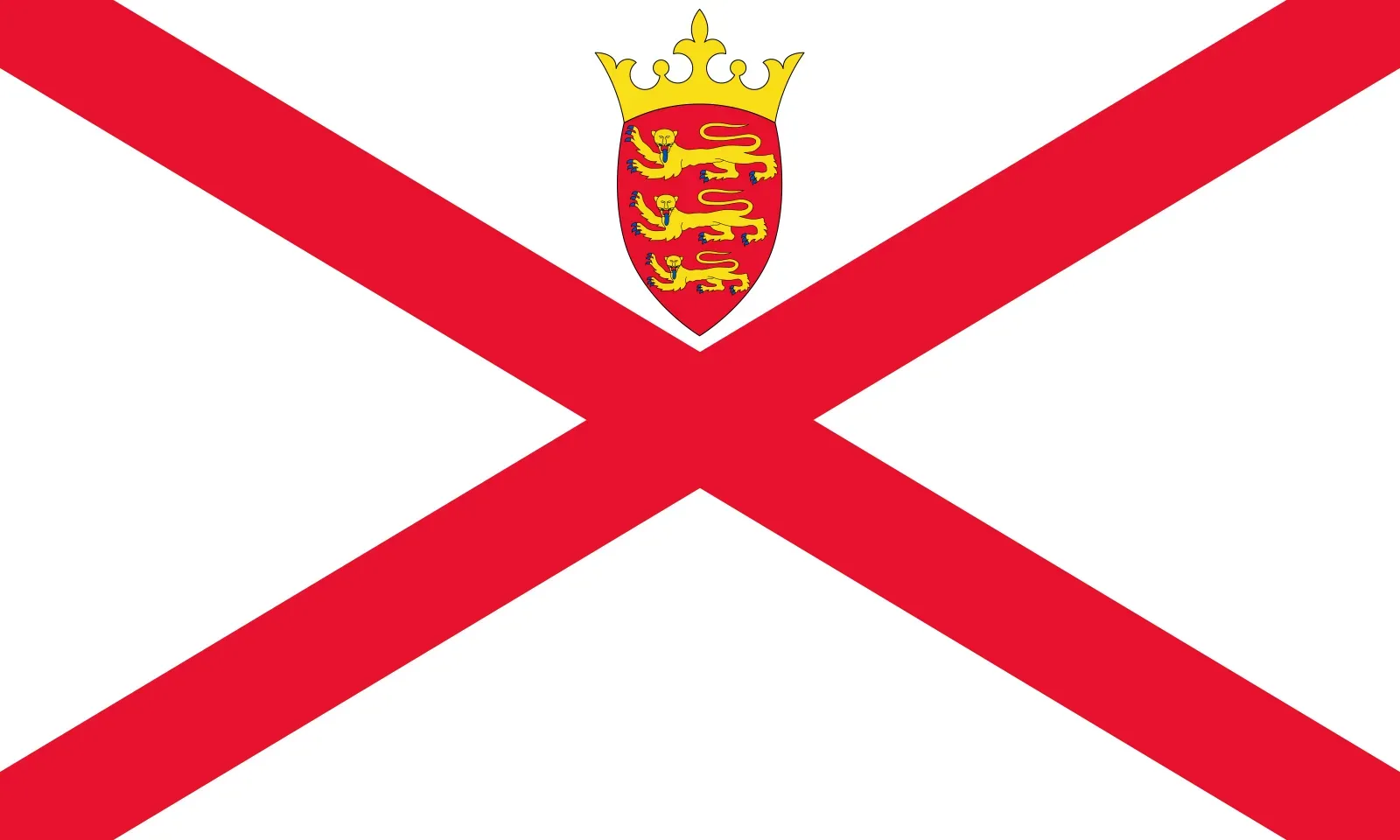
Jersey Company Incorporation
Binderr
Corporate tax
0% standard / 10% financial services
Time to incorporate
1 Week
Cost
Starting from €1,499
Guernsey vs Luxembourg
Luxembourg is the answer when the deal has to sit inside the European Union: EU investors who need an EU vehicle, EU directives on payments within a group, or a prospectus approved by an EU regulator. Its securitisation compartments do much the same job as a Guernsey cell. The price is time and cost, because the vehicle pays the ordinary corporate rate and formation involves a notary. We do not form companies there, so if the deal belongs in Luxembourg, we will tell you.
How an SPV Differs From a Guernsey Holding Company
The two can be the same company on paper. The difference is the job. A holding company owns shares in operating businesses and collects dividends with no end date. A single purpose vehicle exists for one asset or one deal and is closed when it ends.
A company that only holds controlling stakes is on the reduced substance test, while a vehicle that lends, leases or issues notes is on the full test. A holding company is owned by its group or family, while a transaction vehicle is often orphaned. If your plan sounds like the first, read how to set up a Guernsey holding company.
When an SPV in Guernsey Is the Wrong Tool
A Guernsey vehicle has a fixed yearly cost that does not shrink with the deal, so it is not always the right answer.
Small Deals Where the Cost Eats the Return
On one small asset, the provider, the accounts and the filings can cost more than the structure saves. Below a certain size, a company where the asset sits is the honest answer.
Deals That Need an EU Directive or Passport
Guernsey is not in the European Union, so a Guernsey company cannot use the EU parent subsidiary or interest and royalties directives, or passport a regulated activity. Where every counterparty is in the EU, an EU vehicle usually wins. See European holding company formation.
A Trading Business
Once the company employs people and sells to customers, the ring fence stops meaning much. For a Guernsey company that trades, start with Guernsey offshore company formation.
Common Mistakes When Setting Up an SPV in Guernsey
Most problems start in the first month, and each costs far more to fix after closing than before the company exists.
A Purpose Trust With No Working Enforcer
The enforcer is a legal requirement and cannot be the trustee. One who exists only on paper gives an auditor a reason to question the off balance sheet treatment.
Planning a Cell Company Without the Consent
A cell company cannot be formed without GFSC consent, and a protected cell company must be administered by a licensed administrator or be licensed itself. Build that into the timetable instead of finding out a week before closing.
A Board That Does Not Meet on the Island
Directors who sign minutes drafted elsewhere fail two tests at once: substance in Guernsey, and residence where the decisions were really made. Appoint directors who read the papers and decide, and meet in Guernsey. A holding vehicle that starts lending to the group has a related problem, because the loan moves it onto the full substance test.
Missing the February Validation or the UK Update
A dormant vehicle still files. The validation window closes on the last day of February, and a vehicle holding UK property also owes Companies House an update statement every year.
Talk to Us About Your SPV in Guernsey
Some vehicles need a conversation before anything is filed. If one of these sounds like yours, start with a call.
- Notes sold to investors: The prospectus exemptions, a TISE listing and the lending substance test.
- An orphan owner: Purpose or charitable trust, the enforcer and what the auditor accepts.
- UK buildings in the plan: The overseas entity register, UK returns and the Guernsey side together.
- A programme of deals: Whether protected or incorporated cells cost less across the programme.
- Aircraft or vessels: Title, security and the leasing activity the substance rules pick up.
- A vehicle already running: Missed validations, a thin board record or a substance answer to repair.
Bottom Line
A Guernsey vehicle gives you a 0% company, no capital gains tax, no VAT, no withholding tax on payments abroad, a Registry that can incorporate in 15 minutes and cells from the island that invented them. In return it needs a resident agent, current ownership records, a validation every February and a tax return every November.
Two decisions carry the structure: who owns the shares, and what the vehicle does. Holding shares is a light substance test and lending or leasing a heavy one, and an orphan costs more than a vehicle the sponsor owns. Settle both first and the rest is routine, from €1,899 and about a week to the certificate. Read more: how to set up an SPV.