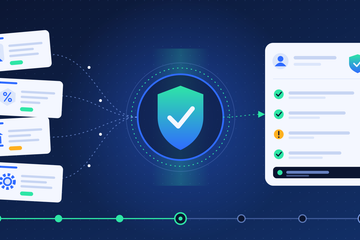
The UAE's crypto market is expanding rapidly, bringing new compliance challenges. In 2025, virtual asset transactions across VARA-regulated entities in Dubai reached nearly AED 2.5 trillion. For firms navigating KYC crypto UAE requirements, secure identity verification and AML compliance are essential.
Crypto exchanges and VASPs face risks from fraudulent identities, pseudonymous wallets, and cross-border transactions. Dubai's Virtual Assets Regulatory Authority (VARA) addresses these risks through strict VARA KYC requirements. Automated Dubai crypto KYC software helps firms streamline onboarding, screening, and ongoing compliance.
In this guide, we'll explore the best KYC software for UAE crypto firms, including regulatory requirements, key features, leading providers, pricing, and how to choose the right solution.
Simplify Crypto KYC Compliance in the UAE With Binderr
Managing customer verification, AML screening, and risk assessments across different systems can slow down crypto onboarding. Binderr combines essential compliance tools in one platform, helping UAE crypto exchanges and VASPs streamline verification and support applicable VARA KYC requirements.
How Binderr Helps:
- Automated KYC: Verify identities using AI-powered document checks across 230+ countries and 11,000+ supported ID types.
- Biometric Verification: Detect identity fraud using facial matching, liveness detection, and deepfake detection.
- AML Screening: Screen customers against sanctions lists, PEP databases, watchlists, and adverse media.
- KYB Verification: Verify corporate clients using company information from 30,000+ data sources across 200+ countries.
- Risk Assessment: Identify higher-risk customers through dynamic risk scoring and configurable due diligence workflows.
- Ongoing Monitoring: Receive alerts when customer risk profiles or screening information change.
What Is KYC Software for Crypto & Virtual Asset Firms?
KYC software for crypto and virtual asset firms is a digital solution that automates customer identity verification, financial crime risk assessments, and ongoing due diligence.
For businesses navigating KYC crypto UAE regulations, it combines document authentication, biometric verification, sanctions and PEP screening, and automated compliance workflows to support secure onboarding. It also helps firms address applicable VARA KYC requirements by maintaining customer records, identifying high-risk individuals, and monitoring changes in customer risk.
Unlike blockchain analytics and crypto transaction monitoring tools, which track wallet activity and suspicious transactions, Dubai crypto KYC software focuses on verifying customer identities and managing compliance throughout the customer relationship.
Access KYC Tools Today
Why Is KYC Important for Crypto Firms in the UAE?
KYC helps crypto firms in the UAE verify customer identities, prevent financial crime, and meet applicable VARA KYC requirements while ensuring secure onboarding.
Here are six key reasons why KYC is essential for crypto exchanges and virtual asset firms in the UAE.
Meet UAE Regulatory Requirements - Crypto firms must comply with applicable UAE AML laws and requirements set by regulators such as VARA, DFSA, and ADGM's FSRA. Effective KYC supports customer identification, due diligence, beneficial ownership checks, and recordkeeping, helping VASPs meet regulatory obligations.
Prevent Identity Fraud and Account Takeovers - Crypto platforms face risks from stolen identities, synthetic profiles, and fraudulent registrations. Automated document verification, biometric matching, and liveness detection help identify suspicious applicants, prevent identity fraud, and strengthen onboarding security.
Detect Money Laundering and Illicit Crypto Activity - Criminals may exploit crypto platforms to transfer illicit funds or conceal ownership. KYC software supports sanctions screening, customer risk assessments, and enhanced due diligence, helping firms identify suspicious relationships and potential financial crime risks.
Improve Customer Onboarding Speed - Manual verification can delay account activation and frustrate customers. Automated Dubai crypto KYC solutions streamline document checks, identity verification, and risk assessments, enabling faster onboarding while maintaining essential compliance controls.
Strengthen Banking and Institutional Relationships - Banks and institutional partners expect crypto firms to demonstrate effective AML controls. Strong KYC processes, documented due diligence, and clear audit trails help build trust, improve transparency, and support banking and institutional partnerships.
Support Continuous Compliance and Risk Monitoring - KYC compliance continues beyond initial onboarding. Automated KYC crypto UAE solutions support sanctions rescreening, customer information updates, and ongoing risk assessments, helping VASPs detect emerging threats and maintain regulatory compliance.
From Identity Verification to Risk Assessment, Simplify Every Step with Binderr
Manual identity checks, disconnected screening tools, and repetitive compliance reviews can delay customer onboarding. Binderr brings verification, screening, and risk assessment together, helping crypto firms move customers through onboarding efficiently while maintaining appropriate compliance oversight.
How Binderr Streamlines the Process:
- Collect Customer Information: Use customisable digital forms and document collection workflows.
- Verify Customer Identities: Automate document authentication, OCR extraction, biometric checks, and liveness detection.
- Screen for Financial Crime Risks: Check individuals and businesses against sanctions, PEP, and adverse media databases.
- Assess Customer Risk: Generate dynamic risk scores to support customer due diligence decisions.
- Manage Enhanced Due Diligence: Collect additional information, investigate higher-risk customers, and manage approvals.
- Maintain Compliance Records: Keep verification results, screening decisions, and audit trails in one platform.
Quick Comparison of Crypto KYC Software in 2026
Choosing the right crypto KYC software in the UAE is essential for faster onboarding, secure identity verification, and meeting applicable VARA KYC requirements.
Here's a quick comparison of the top crypto KYC software providers in 2026, highlighting their key strengths and ideal use cases.
Provider | Global Document Support | Face Match (Selfie vs ID) | Liveness Detection | Anti-Fraud / Deepfake Detection | Ongoing Monitoring |
Binderr | ✅ | ✅ | ✅ | ✅ | ✅ |
Sumsub | ✅ | ✅ | ✅ | ❌ | ❌ |
Jumio | ✅ | ✅ | ✅ | ❌ | ✅ |
Trulioo | ✅ | ❌ | ❌ | ❌ | ❌ |
iDenfy | ❌ | ✅ | ✅ | ❌ | ❌ |
Create Your Free Account
Key Features to Look for in Crypto KYC Software
The right crypto KYC software should simplify customer onboarding while helping virtual asset firms manage financial crime risks and regulatory obligations.
From identity verification to ongoing monitoring, these essential features support secure, efficient, and risk-based compliance.
Automated Identity and Document Verification
Automated identity verification allows crypto firms to authenticate customer documents, including passports, Emirates IDs, and other supported government-issued IDs. OCR technology extracts personal details, while document authenticity checks help detect forged or altered credentials.
For businesses managing KYC crypto UAE requirements, these tools reduce manual errors, speed up verification, and ensure accurate customer information is captured during onboarding.
Biometric Verification and Liveness Detection
Biometric verification compares a customer's live facial image with their identity document to confirm identity. Liveness detection helps identify spoofing attempts, manipulated images, and deepfake-based impersonation.
These capabilities strengthen Dubai crypto KYC processes by reducing identity fraud risks and supporting secure remote onboarding without requiring customers to visit physical verification centres.
AML, Sanctions and PEP Screening
AML screening tools check customers against sanctions lists, politically exposed person (PEP) databases, and adverse media sources. Configurable matching rules help identify potential risks and reduce unnecessary alerts.
To support VARA KYC requirements, crypto firms should prioritise software with automated screening, alert management, and investigation workflows that help compliance teams review potential matches efficiently.
KYB and Ultimate Beneficial Ownership Verification
KYB software verifies corporate customers by checking company registration details, directors, shareholders, and ultimate beneficial owners (UBOs). Ownership mapping helps identify individuals behind complex corporate structures.
For UAE crypto firms onboarding institutional clients, these capabilities improve transparency, support beneficial ownership due diligence, and help identify hidden financial crime risks within business relationships.
Risk-Based Customer Assessment
Risk-based assessment tools evaluate customers using factors such as jurisdiction, business activities, transaction patterns, PEP status, and screening results. Configurable scoring models help classify customers according to their financial crime risk exposure.
Crypto firms can use these assessments to apply appropriate due diligence, prioritise high-risk cases, and support compliance with applicable UAE AML regulations.
Ongoing Monitoring and Automated Alerts
Ongoing monitoring tools track changes in customer risk profiles, sanctions exposure, and relevant compliance information after onboarding. Automated triggers notify compliance teams when new risks or review requirements arise.
These features help crypto firms maintain updated customer records, conduct periodic risk assessments, and support continuous compliance with applicable VARA KYC requirements.
Detect Customer Risks Before They Become Compliance Problems Using Binderr
For UAE crypto firms, verifying an identity is only the beginning. Sanctions exposure, adverse media, and customer risk profiles can change throughout the business relationship. Binderr's AML screening and ongoing monitoring tools help compliance teams identify emerging risks and maintain visibility after onboarding.
Key Features:
- Sanctions Screening: Screen individuals and businesses against relevant global sanctions lists and watchlists.
- PEP Screening: Identify politically exposed persons and relevant connections requiring additional review.
- Adverse Media Checks: Detect potential financial crime exposure through negative news and risk intelligence.
- Continuous Monitoring: Automatically rescreen customers and identify changes in screening information.
- Automated Risk Alerts: Notify compliance teams when new potential matches or risk indicators arise.
- Dynamic Risk Assessment: Update customer risk profiles and support appropriate CDD and EDD decisions.
Best KYC Software for Crypto & Virtual Asset Firms in the UAE
The best KYC crypto UAE solutions help businesses reduce identity fraud, accelerate customer onboarding, and support applicable VARA KYC requirements.
Below are five KYC software providers worth considering in 2026, based on their verification capabilities, compliance features, and suitability for crypto businesses.
Binderr
Binderr is an all-in-one compliance platform that brings customer identity verification, business verification, AML screening, and ongoing monitoring into a unified workflow. It helps crypto exchanges and VASPs simplify onboarding while maintaining visibility over customer risk and compliance activities.
For UAE virtual asset firms, Binderr combines automated identity checks, beneficial ownership mapping, and risk-based screening to support customer due diligence and ongoing regulatory obligations.
Key Features:
- Automated KYC Verification: Verify customer identities using government-issued documents, automated data extraction, and identity authentication checks to reduce onboarding delays and manual errors.
- Biometric and Liveness Detection: Use facial matching, liveness checks, and fraud detection technology to identify impersonation attempts, manipulated images, and suspicious identities.
- KYB and UBO Identification: Verify corporate clients, access company information, identify shareholders and directors, and map complex ownership structures to reveal ultimate beneficial owners.
- AML and Sanctions Screening: Screen customers and businesses against global sanctions lists, PEP databases, watchlists, and adverse media to identify potential financial crime exposure.
- Ongoing AML Monitoring: Automatically rescreen customers, track changes in sanctions and risk information, and generate alerts when new compliance concerns arise.
- Automated Risk Assessment and Workflows: Use configurable risk scoring, onboarding forms, case management, and audit trails to manage customer due diligence through a centralised platform.
Best For: UAE crypto exchanges, VASPs, and Web3 businesses seeking an integrated solution for KYC, KYB, AML screening, and ongoing monitoring. Particularly suitable for firms looking to reduce fragmented compliance processes and simplify customer and corporate onboarding.
Sumsub
Sumsub is an identity verification and compliance platform offering solutions for crypto exchanges, custodians, and other virtual asset businesses. Its platform combines digital identity verification, AML screening, business verification, and crypto-focused risk management.
For firms managing Dubai crypto KYC, Sumsub also offers Travel Rule workflows, wallet screening, and crypto transaction monitoring, helping connect customer onboarding with virtual asset compliance operations.
Key Features:
- AI-Powered Identity Verification: Authenticate government-issued IDs using automated document checks, data extraction, and identity verification workflows designed for international customers.
- Biometric Verification and Fraud Detection: Combine facial matching, liveness checks, and fraud signals to detect identity manipulation, impersonation, and suspicious onboarding attempts.
- Automated AML Screening: Screen individuals against sanctions lists, PEP databases, and adverse media sources, with configurable rules for flagging and reviewing potential risks.
- Know Your Business Verification: Verify corporate entities, assess business ownership structures, and collect information about beneficial owners during institutional onboarding.
- Crypto Transaction and Wallet Monitoring: Analyse blockchain transactions and counterparty wallets using supported analytics integrations to identify exposure to illicit activities and high-risk addresses.
- Travel Rule Compliance Tools: Support the collection and secure exchange of required originator and beneficiary information between VASPs, including applicable counterparty and wallet verification workflows.
Best For: UAE crypto exchanges, custodians, and virtual asset businesses requiring identity verification alongside specialised crypto compliance capabilities. Particularly suitable for firms that need Travel Rule workflows, wallet screening, and crypto transaction risk monitoring.
Jumio
Jumio provides AI-powered identity verification and fraud prevention solutions for businesses operating in regulated industries, including financial services and digital asset platforms. Its technology combines document authentication, biometric verification, and identity risk signals to support secure digital onboarding.
For crypto firms in the UAE, Jumio helps reduce identity fraud, verify remote customers, and integrate AML screening into onboarding and ongoing customer reviews.
Key Features:
- AI-Powered Document Verification: Authenticate passports, national identity cards, and other supported documents using automated authenticity checks and data extraction.
- Biometric Facial Matching: Compare customer selfies against identity document photographs to establish whether the applicant matches the person shown on the submitted ID.
- Advanced Liveness Detection: Use biometric liveness technology to detect presentation attacks, manipulated images, and impersonation attempts during digital verification.
- AML and Watchlist Screening: Screen customers against global sanctions lists, PEP records, and adverse media sources to identify potential financial crime risks.
- Cross-Transaction Risk Intelligence: Analyse identity-related signals across verification interactions to help detect repeat fraud attempts and suspicious identity patterns.
- Ongoing Identity Assurance: Support returning-user authentication, identity risk alerts, and additional verification when changes or suspicious activity require further checks.
Best For: UAE crypto platforms and digital asset businesses prioritising biometric verification, identity fraud detection, and secure remote onboarding. Particularly useful for firms managing large numbers of individual customers and seeking to reduce fraudulent registrations.
Trulioo
Trulioo is a global identity verification platform that helps businesses verify individuals and companies across multiple jurisdictions. It combines identity data, document verification, business information, and risk intelligence to support digital onboarding and financial crime prevention.
For UAE virtual asset firms serving international customers, Trulioo provides configurable verification workflows, corporate due diligence capabilities, and AML screening tools to help manage cross-border customer risks.
Key Features:
- Global Identity Verification: Verify customers using supported local and international data sources, helping crypto businesses assess identities across different countries and markets.
- Document and Biometric Checks: Combine identity document verification, facial matching, and other supported verification methods to establish customer identity during remote onboarding.
- Business Verification and KYB: Check company registration information, verify legal entities, identify beneficial owners, and support due diligence for institutional customers.
- AML and Watchlist Screening: Screen individuals and businesses against sanctions lists, PEP databases, and adverse media sources to identify regulatory and financial crime risks.
- Configurable Risk-Based Workflows: Adapt verification checks and review procedures according to customer location, business type, risk exposure, and onboarding requirements.
- API Integration and Compliance Automation: Connect identity verification, business checks, and screening services to existing customer onboarding systems through configurable APIs and workflows.
Best For: UAE crypto exchanges, fintech businesses, and VASPs onboarding customers or institutional clients across multiple countries. Particularly suitable for firms seeking international identity data coverage, cross-border verification, and flexible KYC/KYB workflows.
iDenfy
iDenfy is an identity verification and compliance platform offering automated KYC, KYB, AML screening, and fraud prevention solutions. It combines AI-powered verification with configurable workflows and human review to help businesses verify customers and manage onboarding risks.
For UAE crypto startups and expanding virtual asset businesses, iDenfy provides flexible integration options and verification tools that can support customer due diligence without requiring a highly complex implementation.
Key Features:
- Automated Identity Verification: Authenticate government-issued identity documents using AI-based document analysis, automated data extraction, and verification checks.
- Biometric and Liveness Verification: Use facial recognition and liveness detection to confirm customer identity and identify spoofing, impersonation, or manipulated identity submissions.
- AML and Sanctions Screening: Check customers against sanctions lists, PEP databases, and adverse media sources to identify potential financial crime exposure during onboarding.
- Business Verification and UBO Checks: Verify company information, examine shareholder details, and identify beneficial owners to support due diligence for corporate customers.
- Ongoing Monitoring and Risk Alerts: Monitor customers for changes in sanctions or other relevant screening information, generating alerts when further compliance review may be necessary.
- Flexible API and No-Code Integration: Implement identity verification through APIs, mobile SDKs, or no-code tools, with customisable onboarding flows suited to different business needs.
Best For: UAE crypto startups, smaller exchanges, and growing VASPs looking for flexible identity verification and AML screening solutions.
How Much Does Crypto KYC Software Cost in the UAE?
Crypto KYC software pricing in the UAE depends on verification volume, AML screening, biometric checks, KYB requirements, ongoing monitoring, and integrations. While some providers charge per verification or offer custom enterprise pricing, Binderr stands out with transparent plans starting at €99/month (Starter) and €349/month (Pro). It also offers a free account with credits and no credit card required, making it easier for crypto firms to explore integrated KYC, KYB, and AML compliance tools.
Crypto KYC Software Price Comparison (2026)
Provider | Starting Price | Pricing Model | Free Access |
Binderr | €99/month Starter; €349/month Pro | Subscription + usage | Free account + credits, no credit card |
Sumsub | $1.35/verification Basic; $1.85 Compliance | Per verification + 149/299 monthly minimum | Free signup |
iDenfy | $1.35/verification; $135 monthly minimum | Usage-based + enterprise plans | 14-day free trial |
Trulioo | Custom quote | Enterprise / usage-based | Contact sales |
Jumio | Custom quote | Enterprise / volume-based | Demo available |
Why Binderr Stands Out: Binderr combines published monthly subscription pricing with KYC, KYB, AML screening, risk assessment, and ongoing monitoring capabilities in one platform. Unlike providers with per-verification minimums or custom-only quotes, Binderr offers a clearly advertised starting subscription and free credits, helping UAE crypto firms evaluate their compliance needs before upgrading. Actual costs depend on usage and selected capabilities.
What Affects the Total Cost?
Beyond subscription fees, crypto firms should consider the cost of biometric verification, international document coverage, sanctions screening, business verification, continuous monitoring, API integrations, and manual compliance reviews. Additional crypto-specific services, such as blockchain analytics and Travel Rule solutions, may also increase overall expenses.
Start Free. Upgrade When Ready.
How to Choose the Right KYC Software for a UAE Crypto Firm
Choosing the right KYC software requires more than comparing features and pricing. UAE crypto exchanges and virtual asset service providers (VASPs) need a solution that supports secure onboarding, regulatory compliance, and long-term business growth.
Here are six essential steps to help you select the right KYC software for your crypto business in the UAE.
Step 1: Identify Your Regulatory Requirements
Start by identifying the regulations applicable to your crypto business based on its location, licensing authority, and virtual asset activities. Firms operating in Dubai must consider applicable VARA KYC requirements, while businesses regulated by the DFSA or ADGM's FSRA follow their respective frameworks.
Choose software that supports customer due diligence, identity verification, risk assessments, and recordkeeping. Ensure its compliance workflows can be configured to meet your firm's specific regulatory and documentation obligations.
Step 2: Evaluate Identity Verification Coverage
Look for KYC software that supports Emirates ID, passports, and international identification documents. Features such as automated document authentication, biometric facial matching, and liveness detection help crypto firms verify customers and reduce identity fraud.
For businesses managing Dubai crypto KYC, reliable remote verification is particularly important. Choose a platform that supports multiple nationalities, offers a smooth onboarding experience, and maintains consistent verification standards.
Step 3: Assess AML, KYB and Monitoring Capabilities
Effective crypto compliance extends beyond basic identity verification. Prioritise software offering sanctions and PEP screening, adverse media checks, corporate verification, ultimate beneficial ownership identification, and risk-based customer assessments.
Look for automated ongoing monitoring, compliance alerts, and configurable due diligence workflows. These capabilities help firms identify emerging risks and support applicable KYC crypto UAE obligations throughout the customer relationship.
Step 4: Check Integration and Scalability
Your KYC software should integrate smoothly with existing crypto exchange platforms, customer databases, and compliance systems. Evaluate API availability, SDK support, customisable workflows, and compatibility with your current technology infrastructure.
Scalability is equally important as verification volumes increase. Choose a platform that can handle growing customer demand, support international onboarding, and accommodate additional compliance requirements without major operational disruptions.
Step 5: Compare Pricing and Customer Support
Compare monthly subscriptions, per-verification charges, implementation fees, and additional costs for AML screening, KYB, or ongoing monitoring. Transparent pricing helps crypto firms estimate compliance expenses and avoid unexpected charges.
Also evaluate customer support, onboarding assistance, service availability, and contractual flexibility. A provider offering responsive technical support and predictable pricing can help reduce operational delays and simplify long-term compliance management.
Step 6: Test Security, Accuracy and Compliance Workflows
Before committing, test the software's identity verification accuracy, fraud detection capabilities, false-positive rates, and customer onboarding experience. Review data encryption, access controls, privacy safeguards, and audit trail functionality.
Run a pilot using realistic customer scenarios, including high-risk profiles and complex corporate structures. Check how efficiently the platform handles verification failures, compliance alerts, manual reviews, and escalations before making your final decision.
Centralise Your Compliance Operations
Common KYC Challenges for Crypto Firms in the UAE
Crypto firms in the UAE face several challenges in preventing financial crime while delivering fast, secure digital onboarding. From complex regulations to identity fraud and ongoing monitoring, managing these risks requires reliable KYC processes and automated compliance tools.
Complex Regulatory Requirements
Challenge: UAE crypto firms must navigate different regulatory frameworks, including applicable VARA KYC requirements, DFSA rules, and ADGM's FSRA regulations. Evolving compliance obligations make it difficult to maintain consistent processes.
Solution: Establish jurisdiction-specific compliance policies, regularly review regulatory updates, and use configurable KYC software to support customer verification, due diligence, and recordkeeping.
Fraudulent Identities and Deepfake Attacks
Challenge: Criminals may use stolen documents, synthetic identities, and AI-generated deepfakes to bypass verification checks and create fraudulent crypto accounts.
Solution: Implement automated document authentication, biometric facial matching, liveness detection, and fraud detection controls to identify suspicious applicants and strengthen onboarding security.
High-Risk Cross-Border Customers
Challenge: International crypto transactions and customer relationships increase exposure to sanctioned entities, high-risk jurisdictions, and unclear sources of funds.
Solution: Apply risk-based customer screening, geographic risk assessments, and enhanced due diligence. Automated KYC crypto UAE solutions help identify higher-risk customers and support appropriate compliance reviews.
Complex Corporate Ownership Structures
Challenge: Institutional crypto clients may operate through layered company structures, making it difficult to identify ultimate beneficial owners and assess financial crime risks.
Solution: Use automated KYB verification, ownership mapping, and beneficial owner screening to improve corporate transparency and support risk-based due diligence.
Manual Reviews and False Positives
Challenge: High screening alert volumes, false positives, and complex identity checks can delay customer onboarding and increase compliance workloads.
Solution: Use configurable risk scoring, intelligent alert prioritisation, and automated investigation workflows. These tools help Dubai crypto KYC teams reduce unnecessary reviews while maintaining effective compliance oversight.
Monitoring Customers After Onboarding
Challenge: Customer risk profiles can change due to new sanctions exposure, suspicious activities, or changes in business relationships, making one-time verification insufficient.
Solution: Implement ongoing AML screening, automated risk alerts, and periodic customer reviews. Continuous monitoring helps crypto firms identify emerging risks and maintain updated compliance records.
Binderr: One Platform for Crypto KYC, KYB and AML Compliance
Managing customer onboarding, corporate verification, financial crime screening, and ongoing due diligence through separate systems creates unnecessary complexity.
Binderr brings these processes together in a unified compliance platform, helping UAE crypto exchanges and VASPs manage customer risks from initial verification through ongoing monitoring.
Everything You Need in One Platform:
- KYC and Identity Verification: Authenticate customer documents, perform facial matching, and detect identity fraud.
- KYB and Corporate Verification: Verify businesses, directors, shareholders, and registration information.
- UBO Identification and Ownership Mapping: Identify ultimate beneficial owners and visualise complex corporate ownership structures.
- AML and Sanctions Screening: Check individuals and companies against sanctions, PEP, watchlist, and adverse media databases.
- CDD and EDD Automation: Combine verification, screening, and risk assessments into structured due diligence workflows.
- Ongoing Risk Monitoring: Track changes in customer risk profiles and receive automated alerts.
- Compliance Reporting: Maintain documented checks, investigation records, and audit trails.
Bottom Line
Reliable KYC software is essential for crypto exchanges and virtual asset firms operating in the UAE. With evolving financial crime risks and strict VARA KYC requirements, businesses need efficient identity verification, risk-based customer due diligence, AML screening, and ongoing monitoring. Choosing the right Dubai crypto KYC solution helps prevent fraud, streamline onboarding, and support regulatory compliance while building customer trust.
Binderr Services simplifies KYC crypto UAE compliance by bringing automated identity verification, KYB checks, beneficial ownership mapping, AML screening, and ongoing monitoring into one platform. With automated workflows, transparent pricing, and a free account option, Binderr helps crypto firms manage customer risks without unnecessary complexity.