
Guernsey vs Jersey is the closest call in offshore company incorporation. Both islands tax most company profits at 0%, charge no capital gains tax and take nothing from dividends paid to owners abroad. Both use sterling, sit close to London and let one director and one shareholder run a company from anywhere.
The differences are small, but they repeat every year. The annual filing fee, the sales tax, the trust law and the private fund rules are not the same, and on both islands only a licensed provider can file. The island that fits your structure keeps the running cost down.
We form companies on both islands, so we have no reason to steer you to either. Binderr works with licensed resident agents in Guernsey and licensed administrators in Jersey and handles the whole setup: the structure call, your KYC pack, the documents and every filing. One team, from €1,499 in Jersey or €1,899 in Guernsey, and a company in about a week.
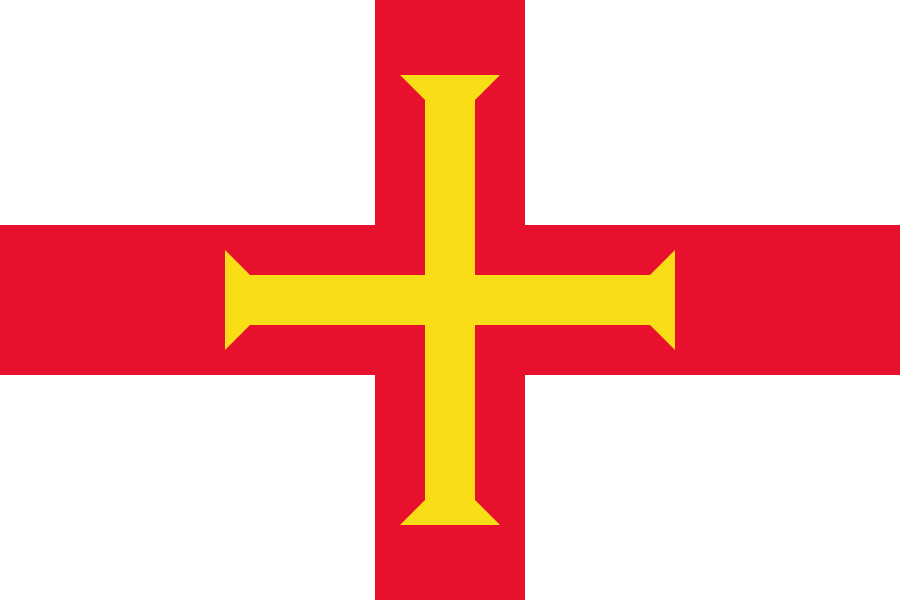
Guernsey Company Incorporation
Binderr
Corporate tax
0% standard / 10% regulated activities
Capital gains and inheritance tax
0%
Time to incorporate
1 Week
Cost
Starting from €1,899
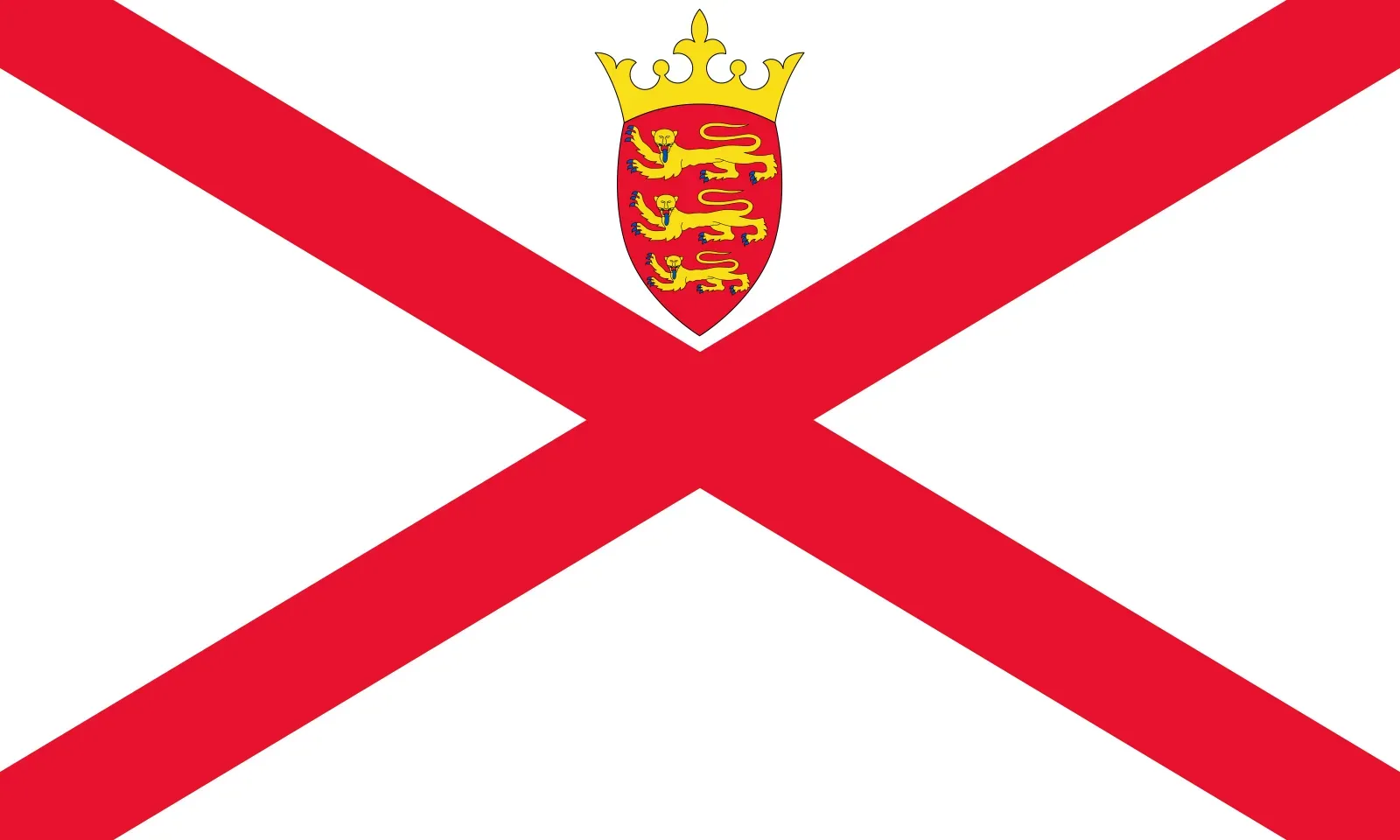
Jersey Company Incorporation
Binderr
Corporate tax
0% standard / 10% financial services
Time to incorporate
1 Week
Cost
Starting from €1,499
Guernsey vs Jersey Company Incorporation at a Glance
For most companies the two islands give the same result: 0% tax, no capital gains tax, no public accounts and a licensed provider who files for you. The Guernsey vs Jersey company incorporation decision turns on five things: running cost, GST, cell companies, trust rules and the private fund regime.
Factor | Guernsey | Jersey |
|---|---|---|
Company law | Companies (Guernsey) Law, 2008 | Companies (Jersey) Law 1991 |
Standard company tax | 0% | 0% |
10% band | Listed financial services, with domestic insurance only | Listed financial services, including permitted insurers and credit providers |
20% band | Utilities, oil and gas, large retail, Guernsey property | Utilities, oil, large retail, Jersey property |
Sales tax | No VAT and no GST | GST at 5% from £300,000 of taxable supplies |
Standard incorporation | £100, within 24 hours | £200, within 5 business days |
Yearly filing through a provider | £525 annual validation | £330 confirmation statement |
Who files | A GFSC licensed fiduciary | A JFSC regulated provider, for an owner abroad |
Ownership register | Changes within 14 days, not public | Changes within 21 days, not public |
Cell companies | PCC since 1997, ICC since 2006 | PCC and ICC since 2006 |
Trust law | Trusts (Guernsey) Law, 2007 | Trusts (Jersey) Law 1984 |
Light private fund | PIF, up to 50 investors, 1 business day | JPF, no investor cap, 24 hours |
Known for | Captives, cells, funds, aircraft registry | Holding companies, private equity, securitisation, UK property |
Our price | From €1,899 | From €1,499 |
Time with us | About 1 week | About 1 week |
Read the table from the bottom up. Jersey costs less with us and less every year, so it wins when nothing else separates the two. Guernsey earns its higher price when the structure needs no sales tax, a cell company, a captive insurer or a small fund that launches within a day.
Where the Two Islands Are the Same
Both are Crown Dependencies outside the European Union. Both tax a standard company at 0%, levy no capital gains tax and deduct nothing from a dividend paid to a shareholder abroad. They run the same economic substance regime, keep ownership registers the public cannot search, and allow a private company with one director and one member.
Where Guernsey Comes Out Ahead
A Guernsey offshore company pays no VAT and no GST, because the island has neither. Guernsey created the protected cell company in 1997, its Registry incorporates a standard company within 24 hours for £100, and its private investment fund is registered in one business day. Its 10% list names domestic insurance only, so an insurer covering risks abroad stays at 0%.
Incorporate Your Company in Guernsey
Guernsey is the right island when the structure needs no sales tax, a cell or a fund. This is the work we take on for you.
- Licensed resident agent: Only a licensed fiduciary can file, and our Guernsey agent does it.
- 0% standard rate: Most company income sits outside the 10% and 20% lists.
- No VAT or GST: Guernsey charges neither today, so there is no registration to plan.
- Cells when you need them: Protected and incorporated cells, on the island that invented the PCC.
- KYC pack prepared: We tell you what we need, check it and fix gaps before filing.
- Formed in about a week: From the first call to the certificate, at one written price.
- No back-and-forth emails: One contact runs the file with the agent and the Registry.
Where Jersey Comes Out Ahead
A Jersey offshore company costs less to set up with us, from €1,499 against €1,899, and less to keep: £330 a year for an administered company against £525. Since 6 August 2025 its private fund has had no investor cap, and it is the usual home for holding companies, securitisation and UK property.
Why the Price Gap Is Smaller Than It Looks
The largest cost on either island is the licensed provider, at about €2,000 to €4,500 a year as a planning range. A simple holding company costs about €5,500 to €10,500 in its first year in Guernsey and about €5,000 to €10,000 in Jersey, so the rules that fit your plan matter more than the fee.
Company Law and Incorporation Speed
Both islands have modern company laws that let one director and one member run a private company from anywhere. Guernsey's Registry is faster at its standard tier, and Jersey adds a formal consent to the share issue as part of every incorporation.
Two Company Laws Built on the Same Model
A Guernsey company is formed under the Companies (Guernsey) Law, 2008 and a Jersey company under the Companies (Jersey) Law 1991. The normal choice on both is a private company limited by shares, with no minimum capital and shares with or without a par value. A Jersey no par value company pays distributions out of stated capital, which holding and fund structures like. Read more: how to incorporate a company in Guernsey and how to register a private company in Jersey.
Directors and Members
Each island requires at least one director and allows a single member, with no residency or nationality rule. In Guernsey both can be individuals or companies based anywhere. A Jersey public company is different, with at least two directors, two members and audited accounts every year.
How Fast Each Registry Works
Under the Guernsey fee schedule in force since 1 December 2025, a standard incorporation costs £100 within 24 hours, a rapid one £500 within 2 hours and a special one £1,000 within 15 minutes. Under the JFSC schedule in force since 1 January 2024, Jersey charges £200 within 5 business days, £295 within 3, £375 within 2, £520 within 1 and £820 within 2 hours, with an out of hours service from £1,480. On either island the week goes on the KYC pack, not the Registry.
Jersey's Consent to Issue Shares
Every Jersey incorporation includes an application for consent to issue shares under the Control of Borrowing (Jersey) Order 1958. It is granted in the same process, but the JFSC sees who will own and control the company before it exists. A company that will issue notes needs a separate consent for the debt.
Accounts and Audit
A private Jersey company does not have to audit its accounts and does not file them with the Registrar, and a private Guernsey company keeps its accounts off the public register. Both still prepare accounts every year for the members, the bank and any buyer.
Guernsey Company Incorporation
Binderr
Corporate tax
0% standard / 10% regulated activities
Capital gains and inheritance tax
0%
Time to incorporate
1 Week
Cost
Starting from €1,899
Registry Fees and Annual Fees Compared
Jersey charges more to incorporate and less every year after that. Guernsey's standard incorporation is £100 against Jersey's £200, but its annual validation is £525 for a company run by a licensed provider, against £330 for Jersey's confirmation statement.
Fee | Guernsey | Jersey |
|---|---|---|
Name reservation | £25, held for 3 months | £10 |
Standard incorporation | £100, within 24 hours | £200, within 5 business days |
Fastest service | £1,000, within 15 minutes | £820 within 2 hours, out of hours from £1,480 |
Yearly filing window | 1 January to the last day of February | By the last day of February |
Yearly fee, provider administered | £525 | £330 including the government levy |
Yearly fee, other companies | £260 | £220 |
Late yearly filing | £450 up to a week late, £900 up to a month, £1,800 after that | £75 after February, rising each month to £740 by the end of September |
Ownership changes | Filed within 14 days | Filed within 21 days |
The incorporation fees are paid once and sit inside our price on both islands. The yearly fee is the difference that repeats: £195 a year in Jersey's favour for an administered company, or £1,950 over ten years.
Late Filing Costs More in Guernsey
A provider administered Guernsey company that files a week late pays £450, and more than a month late £1,800, over three times the fee itself. Jersey starts at £75 in March and climbs through £150, £225, £295, £445 and £590 to £740 by the end of September. A quiet company that nobody watches is the one that gets caught.
The Provider Fee Matters More Than Either
The Registry fees are small next to the licensed provider, which supplies the registered office, keeps the records and files the ownership information. On both islands that runs at about €2,000 to €4,500 a year as a planning range for a simple company, quoted with your setup, so compare the whole yearly number.
Incorporate Your Company in Jersey
Jersey is the lower cost island for most holding and investment companies. This is how we get yours registered.
- Licensed Jersey administrator: Owners abroad file through a regulated provider we arrange.
- Share issue consent handled: The JFSC consent goes in with the incorporation, not after it.
- Lower yearly filing: £330 for the confirmation statement, against £525 in Guernsey.
- Ownership filed correctly: Beneficial owners and the nominated person in place from day one.
- Fast when it matters: The Registry can incorporate within 2 hours when a closing date is fixed.
- Clear pricing, no surprises: From €1,499, with the yearly costs written down before you pay.
Resident Agent and Administrator Rules
Neither island lets an owner abroad file their own incorporation. Guernsey requires a licensed fiduciary to file and most companies to keep a resident agent. Jersey requires a regulated provider to file and every company to appoint a nominated person for its ownership records.
Guernsey's Licensed Filer and Resident Agent
Only a corporate service provider holding a full fiduciary licence from the Guernsey Financial Services Commission can submit an incorporation, after its own due diligence on every owner and director. Most companies must then appoint a resident agent: a Guernsey resident individual who is a director of the company, or a corporate service provider. Any change to the agent or the directors is filed within 14 days.
Jersey's Regulated Provider and Nominated Person
The JFSC Registry accepts an incorporation from a beneficial owner who lives in Jersey, or from a JFSC regulated provider licensed to provide formation services. Under the Financial Services (Disclosure and Provision of Information) (Jersey) Law 2020, every company also appoints a nominated person, which can be a trust company business registrant, a resident significant person, a resident lawyer or accountant, or a fund services business.
What It Means for an Owner Abroad
The outcome is the same. A Jersey or Guernsey company owned from abroad runs through a licensed provider that supplies the registered office, keeps the records and handles the filings. Nobody travels, and documents are certified at home and signed online. Read more: setting up a business in Jersey as a non-resident and how to set up a company as a non-resident.
Guernsey vs Jersey Tax for Companies
Both islands tax most company profits at 0% and keep 10% and 20% bands for named activities. The Guernsey vs Jersey tax difference sits in which activities are on those lists, in Jersey's 5% GST, and in how each island taxes very large groups.
Item | Guernsey | Jersey |
|---|---|---|
Standard rate | 0% | 0% |
10% band | Banking, domestic insurance, fiduciary business, insurance intermediaries and managers, fund administration, custody, client investment management, investment exchanges, compliance work, aviation registry | Banks, trust company business, investment business, fund administrators, custodians and registrars, insurers with a Category A or B permit, credit facility providers |
20% band | GCRA regulated trading, gas and hydrocarbon oil, large retail, Guernsey land and buildings, controlled drug production | Utilities, oil importers, large retailers, Jersey property rental and development, cannabis |
Capital gains tax | None | None |
Dividends to owners abroad | No withholding tax | No withholding tax |
Sales tax | No VAT and no GST | GST at 5%, or ISE status |
Groups with €750 million revenue | 15% domestic top-up tax | 15% multinational corporate income tax |
Company tax return | By 30 November following the year | By 30 November following the year |
For a holding company, a fund vehicle or a company that owns assets abroad, both columns come out at 0%. The lists matter for financial services, insurance, lending, retail and anything that sells on the islands.
Where the 10% Lists Differ
Insurance is the clearest case. Guernsey's list names domestic insurance only, so an insurer covering risks outside the island stays at 0%, while Jersey's covers insurers holding a Category A or B permit. Jersey also names credit facility providers, and Guernsey names investment exchanges, compliance work and aviation registry income.
Where the 20% Lists Differ
Both tax income from local land and property at 20%. Retail works differently. Guernsey applies 20% to large retail with taxable profit above £500,000. Jersey applies it to large corporate retailers with at least £2 million of retail sales, on a taper from 0% below £500,000 of profit to the full 20% at £750,000.
GST Is the Difference Most Owners Feel
Guernsey has no VAT and no GST, although the States have debated a sales tax more than once. Jersey charges GST at 5%, and a company registers once its taxable supplies reach £300,000 in 12 months. A company administered for non-residents can hold International Services Entity status instead, which means it cannot charge or be charged GST and pays a flat annual fee.
Very Large Groups
Both islands apply a 15% minimum to groups with consolidated revenue of at least €750 million in 2 of the previous 4 years. Guernsey uses a domestic top-up tax. Jersey introduced a multinational corporate income tax for fiscal years starting on or after 1 January 2025.
Tax Residence and the UK Agreements
Guernsey treats a company as resident if it is incorporated there, centrally managed and controlled there, or controlled by Guernsey resident individuals. The United Kingdom signed new double taxation agreements with Guernsey on 2 July 2018 and with Jersey on 3 July 2018, and both deal with dual residence in Article 4(3). A board run from London creates the same UK residence risk on either island.
Jersey Company Incorporation
Binderr
Corporate tax
0% standard / 10% financial services
Time to incorporate
1 Week
Cost
Starting from €1,499
Economic Substance on Both Islands
Guernsey and Jersey run the same economic substance regime, written into their own laws and explained in joint Crown Dependencies guidance. The tests match. What differs is the legal wording and how fast the penalties climb.
One Regime in Two Laws
Guernsey's rules sit in the Income Tax (Substance Requirements) (Implementation) Regulations, 2018, and Jersey's in the Taxation (Companies, Economic Substance) (Jersey) Law 2019. Both cover the same nine relevant activities: banking, insurance, shipping, fund management, finance and leasing, headquartering, distribution and service centres, holding company business and intangible property. A company outside all nine has no test.
The Pure Equity Holding Company on Each Island
Both islands give a company that only acquires and holds shares a reduced test. Guernsey asks for an adequate level of people and premises on the island, in proportion to what the company does. Jersey's Article 5 asks whether the company is directed and managed in Jersey with adequate people, spending and premises for its level of activity. In practice both are met the same way: the provider's people and offices, board meetings held on the island and records kept there. Lending, leasing or holding intellectual property brings the full test on either island.
Penalties Climb Faster in Jersey
Guernsey starts at up to £10,000 for the first period of failure and rises to up to £100,000 by the fourth consecutive period. Jersey starts at up to £10,000 and adds up to £100,000 at the second consecutive failure, and its Comptroller can look back 6 years. On both, a company with no income from the activity in a period is outside the test for that period.
Beneficial Ownership Registers
Both islands keep a central register of the people who own and control each company, and neither opens it to public search. Guernsey works through the resident agent under a 2017 Law, and Jersey through a nominated person under a 2020 Law with a longer deadline for changes.
Guernsey's Register
The Beneficial Ownership of Legal Persons (Guernsey) Law, 2017 came into force on 15 August 2017. A new company files its ownership information with the incorporation, and any change is filed within 14 days through the resident agent.
Jersey's Register
A Jersey company files beneficial owner and significant person information with the JFSC and notifies changes within 21 days. Missing the annual confirmation statement or the nominated person carries a fine of up to £10,000 plus daily fines of up to £1,000, and false information up to 7 years in prison.
What the Public Can See
A search of Jersey's public register shows a company's name, number, registered office and status, not its owners, and Guernsey's ownership register is closed too. That is privacy, not secrecy: banks, regulators and tax authorities see the full picture. Our ultimate beneficial owner guide shows how ownership is traced through companies and trusts.
Cell Companies in Guernsey and Jersey
Guernsey invented the protected cell company in 1997, the first jurisdiction to do so, and added the incorporated cell company in 2006. Jersey brought both types into its company law in February 2006. The tools are now the same, and Guernsey has used them nine years longer.
Protected and Incorporated Cells
A protected cell company is one legal entity split into ring fenced cells, whose assets are available only to that cell's creditors and shareholders. An incorporated cell is a company in its own right, able to hold assets and sue in its own name, and the parent usually does not own its cells. Read more: Guernsey protected cell and incorporated cell companies and how a Jersey incorporated cell company works.
Where the Cell Market Sits
Guernsey's cell market is built on insurance: the island had 126 cell captives and 196 non-cellular captives at the end of 2025. In Jersey a cell pays off when the same transaction repeats, and the JFSC charges £740 to convert a company to or from a cell company. For a captive, Guernsey is the natural home. For a single deal, a plain company is cheaper on either island.
Guernsey Company Incorporation
Binderr
Corporate tax
0% standard / 10% regulated activities
Capital gains and inheritance tax
0%
Time to incorporate
1 Week
Cost
Starting from €1,899
Guernsey vs Jersey Trust Law
The Guernsey vs Jersey trust decision is closer than most guides suggest. Both laws let a trust run without a time limit, both block forced heirship and marriage claims from abroad, both allow purpose trusts with an enforcer, and neither keeps a public register of trusts.
Two Modern Trust Laws
Jersey's trusts are governed by the Trusts (Jersey) Law 1984, amended since, and Guernsey's by the Trusts (Guernsey) Law, 2007, in force since March 2008. On both islands a professional trustee is a licensed business. Read more: how to set up a Guernsey trust and setting up a trust in Jersey.
Firewall Protection Against Forced Heirship
Section 14 of the Guernsey Law says no Guernsey trust is invalidated, and no person is made liable, because the trust defeats rights under foreign heirship rules or claims arising from marriage, a civil partnership or another relationship. Under Article 9 of the Jersey Law, trust questions are decided by Jersey law, foreign claims based on forced heirship or a relationship with the settlor are disregarded, and Article 9(4) refuses to enforce a foreign judgment that conflicts with those rules.
Purpose Trusts and the Enforcer
Both islands allow a non-charitable purpose trust, which holds assets for a stated purpose rather than for beneficiaries. The trust instrument must appoint an enforcer, and Jersey adds that the enforcer must be someone other than the trustee. These trusts often own orphan vehicles and private trust companies.
Duration and Reserved Powers
A Guernsey trust can exist for an indefinite period and a Jersey trust can be of unlimited duration. Section 15 of the Guernsey Law lets a settlor reserve powers to revoke, vary or amend the trust and to appoint income or capital. Article 9A of the Jersey Law covers powers over investment, revocation, trustee appointments and the governing law.
No Public Register of Trusts
Guernsey does not require trust documents to be registered with any government office, and Jersey has no register of trust documents. Because the protections match, the choice usually comes down to the trustee the family trusts and where its other structures sit. We quote trusts separately from a standard company.
Guernsey vs Jersey Funds
Private funds are where the two islands have moved apart most recently. In the Guernsey vs Jersey funds picture, Guernsey's private investment fund is capped at 50 investors and registered in one business day, while Jersey removed the cap from its private fund on 6 August 2025 and processes one in 24 hours.
The Guernsey Private Investment Fund
The Private Investment Fund Rules and Guidance, 2021 set three routes, each with a maximum of 50 investors. Route 1 needs a Guernsey licensed manager and can add no more than 30 new investors in any 12 month period. Route 2 is for qualifying private investors, and Route 3 for investors with a family relationship. The GFSC registers a private investment fund in Guernsey within one business day. It must be audited but needs no prospectus.
Guernsey Registered Funds
A fund that outgrows the PIF can become a registered collective investment scheme, which the GFSC declares registered within three full business days of a complete application signed by the designated manager. Guernsey funds held £270 billion in net assets at June 2026, most of it in closed-ended funds.
The Jersey Private Fund
Under the revised JPF Guide in force since 6 August 2025, there is no limit on the number of investors. Each must be a professional or eligible investor, and investing at least £250,000 is one way to qualify. The JFSC processes a complete Jersey private fund application in 24 hours, for a £1,849 application fee and a £1,475 annual fee. The fund appoints a Jersey designated service provider and needs audited accounts only if it is marketed to EU or EEA investors.
Jersey Expert Funds
Jersey's expert fund, under the Collective Investment Funds (Jersey) Law 1988, takes any number of expert investors. An investor qualifies by investing at least US$100,000 or with net worth above US$1,000,000. The fund needs a JFSC regulated manager or administrator with a physical presence in Jersey, and a corporate fund needs two Jersey resident directors.
Which Fund Regime Fits
A family fund or club deal with a fixed group fits either island. A fund that expects to pass 50 investors fits Jersey, which also saves the audit when no EU or EEA investor is involved. Funds are regulated structures, so we quote them separately.
Banking for a Guernsey or Jersey Company
The bank account is the slow step on both islands, and the island you pick makes little difference to it. Island banks prefer local businesses and large relationships. Our regulated partners open multi-currency accounts for companies from either island in days.
Feature | Guernsey and Jersey banks | Our partners |
|---|---|---|
Time to open | Several weeks for a company owned from abroad | Usually 2 to 4 days from a complete file |
Who they accept | Companies with an island link or a large relationship | Island companies owned from abroad with a clear ownership chart |
Minimum balance | Often a substantial private banking relationship | None |
Monthly cost | Relationship based | About €30 to €100 a month on a published plan |
Multi-currency | A separate account for each currency | Several currencies in one account, with real IBANs |
International payments and FX | Per SWIFT payment, margin often 1% to 3% | About €5 to €25 to send, 0.25% to 1.0% over interbank |
A private bank still suits a large family structure that wants investment management with the account. For a company that receives money and pays it on, the partner route is faster and cheaper on either island.
Island Banks on Both Sides
Guernsey has around 21 licensed banks, including Butterfield, Barclays, HSBC, Lloyds and NatWest International, and deposits are protected up to £50,000 per depositor per bank. Jersey's business banking is led by the same groups, among them NatWest International, Butterfield and HSBC. On both islands a new company owned from abroad waits weeks for a decision.
Faster Accounts Through Our Banking Partners
We work with regulated payment partners that open multi-currency accounts for Guernsey and Jersey companies in days, remotely and with no minimum balance, using the KYC pack from the incorporation. If these accounts are new to you, read what an EMI account is, or see our Guernsey offshore banking guide and how to open an offshore bank account in Jersey.

Equals Money
Business Bank Account
Time to onboard
2 Days
Account opening fee
Free
Monthly fee
€30

3S Money
Cross-border payments
Time to onboard
4 Days
Account opening fee
Free
Monthly fee
Starting from € 100
Reputation and International Lists
Guernsey and Jersey sit in the same tier with banks, auditors and tax authorities. Neither is on the EU list of non-cooperative jurisdictions, and both came through their latest MONEYVAL evaluations well, so reputation is rarely a reason to pick one over the other.
MONEYVAL Results
MONEYVAL's evaluation of Guernsey, published in February 2025, found it compliant or largely compliant with all 40 FATF technical recommendations, with six of the eleven effectiveness areas rated high or substantial. MONEYVAL published its report on Jersey on 24 July 2024, and the JFSC says it places Jersey's effectiveness among the highest found in jurisdictions evaluated worldwide.
The EU List
The EU Council last updated its list of non-cooperative jurisdictions for tax purposes on 17 February 2026, and it names 10 jurisdictions. Neither Guernsey nor Jersey is among them.
What Each Island Is Known For
Finance and insurance made up 37% of Guernsey's economy in 2023, and the island is best known for captive insurance, cell companies, closed-ended funds and its 2-REG aircraft registry. Jersey is best known for holding companies, private equity, securitisation and UK real estate. A counterparty in one of those fields is used to seeing that island.
Jersey Company Incorporation
Binderr
Corporate tax
0% standard / 10% financial services
Time to incorporate
1 Week
Cost
Starting from €1,499
First-Year Cost of a Guernsey or Jersey Company
Our price starts from €1,899 in Guernsey and from €1,499 in Jersey, paid once, for a standard company limited by shares. It covers the structure advice, the KYC pack, the name reservation, the constitution, the Registry fee, the licensed provider and office at formation and the first ownership filing, plus the share issue consent in Jersey, confirmed in writing before you pay. Trusts, foundations, cell companies, funds and regulated structures are quoted separately and can cost more.
Cost item | Guernsey | Jersey | What it covers |
|---|---|---|---|
Company formation with Binderr, once | From €1,899 | From €1,499 | Advice, KYC pack, constitution, the Registry fee, the provider at formation, the first ownership filing |
Resident agent or administrator and office | About €2,000 to €4,500 a year | About €2,000 to €4,500 a year | The licensed provider, the island address and the records, as planning ranges |
Yearly filing | £525 through a provider, £260 otherwise | £330 through a provider, £220 otherwise | Annual validation or confirmation statement |
Tax return and substance answers | Usually inside the provider fee | Usually inside the provider fee | The 0% return, due by 30 November |
Accounts preparation | About €900 to €2,500 a year | About €900 to €2,500 a year | Accounts for the members, the bank and any buyer |
Island resident directors | Quoted with your setup | Quoted with your setup | Only where the board needs them |
Business account with our partners | About €30 to €100 a month | About €30 to €100 a month | A multi-currency account with real IBANs |
Realistic first-year total | About €5,500 to €10,500 | About €5,000 to €10,000 | A simple holding company |
The Registry figures are fixed and the rest are market prices. More subsidiaries, lending, island directors or GST registration in Jersey all push the total up. Read more: how much a Guernsey company costs and the cost of Jersey company formation.
Jersey vs Guernsey Company Formation Cost by Profile
What the company does moves the total far more than the island, and on most lines Jersey vs Guernsey company formation lands within a few hundred euros. These ranges match our holding company guides for each island.
Company profile | Guernsey first year | Jersey first year | What drives the cost |
|---|---|---|---|
Holding company over one subsidiary, owner abroad | About €5,500 to €8,000 | About €5,000 to €7,500 | The provider and office, on the lightest substance position |
Group holding company over several subsidiaries | About €6,500 to €10,500 | About €6,000 to €10,000 | More consolidation, bank questions and filings |
Holding company that also lends to the group | About €10,000 to €20,000 | About €9,000 to €20,000 | Finance and leasing substance on the island |
Holding company over property | About €8,000 to €15,000 | About €7,000 to €14,000 | Local tax returns and property filings |
Trust, fund, cell or regulated structure | Quoted separately | Quoted separately | Regulator consent, audit and specialist advice |
Guernsey or Jersey Company Formation With One Team
Not sure which island fits? We form companies on both, so we can set them side by side for your structure.
- Both islands, one team: We work with licensed providers in Guernsey and in Jersey.
- Guernsey from €1,899: Our starting price for a standard Guernsey company.
- Jersey from €1,499: Our starting price for a standard Jersey company.
- Year one shown: About €5,500 to €10,500 in Guernsey, €5,000 to €10,000 in Jersey.
- GST checked early: We tell you whether Jersey's 5% GST would apply before you choose.
- An honest island choice: We sell both, so the answer depends on your structure.
Which Island Suits Your Company
Most profiles have a clear answer once the structure is written down. This is where each common case usually lands in Jersey vs Guernsey company formation, and why.
Group Holding Companies
For a plain group parent, a Jersey or Guernsey company gives the same 0% result and the same reduced substance test. Jersey is cheaper to set up and to file each year, so it is the default. Guernsey wins where the group recharges costs and a sales tax would get in the way. See how to set up a Jersey holding company and how to set up a Guernsey holding company.
UK Property
Jersey is the more common home for UK property structures. The UK tax is the same on either island: a non-resident company has paid UK tax on gains from UK land since 6 April 2019 and UK corporation tax on rental profits since 6 April 2020.
Captive Insurance and Cell Companies
Guernsey. It invented the protected cell company, had 322 captives at the end of 2025, 126 of them cells, and keeps international insurance off its 10% list. See how to set up a captive insurance company in Guernsey.
Small Private Funds and Family Funds
Either island. Guernsey's PIF is registered in one business day and its family route fits a fund owned by one family. Jersey's private fund launches in 24 hours and skips the audit when no EU or EEA investor is involved.
Funds Raising From Many Investors
Jersey. Its private fund has no investor cap since 6 August 2025, and its expert fund takes any number of expert investors. In Guernsey a fund above 50 investors moves up to a registered scheme.
Family Trusts and Private Wealth
Either island. The two trust laws give the same firewall, unlimited duration and purpose trusts, so pick the trustee and the island where the family's other structures sit.
Securitisation and Single Asset Vehicles
Jersey is the more common home for securitisation and note issues, and Guernsey leads where insurance risk is involved. See how to set up an SPV in Jersey and how to set up an SPV in Guernsey.
Companies That Sell Goods or Services
A company that sells on the islands and passes £300,000 of taxable supplies in Jersey registers for 5% GST, and Guernsey has no such tax. A company selling abroad and administered for non-residents can hold ISE status in Jersey, which removes most of the difference.
Guernsey Company Incorporation
Binderr
Corporate tax
0% standard / 10% regulated activities
Capital gains and inheritance tax
0%
Time to incorporate
1 Week
Cost
Starting from €1,899
Common Mistakes When Choosing Between Guernsey and Jersey
Most mistakes come from treating the two islands as identical or as opposites. They are neither, and each mistake below is cheap to avoid before the company exists.
Choosing on the Incorporation Fee Alone
The £100 or £200 Registry fee is paid once and sits inside our price. The £195 yearly filing difference, the provider fee and the audit position repeat every year, so compare the ten year cost.
Forgetting GST on a Jersey Company That Sells Locally
A Jersey company that passes £300,000 of taxable supplies in 12 months must register for GST at 5%. Plan it before trading starts, or check whether ISE status applies.
Treating the PIF and the JPF as the Same Product
Guernsey's PIF caps a fund at 50 investors and requires an audit. Jersey's private fund has no cap and needs an audit only for EU or EEA marketing. A manager who reads the fund rules after picking the island can end up restructuring at the second close.
Running the Board From Home
Directors who sign minutes drafted elsewhere fail two tests at once: substance on the island and tax residence abroad. Hold the meetings on the island and let the directors decide.
Picking the Island Before the Structure
Lending to the group, holding a trademark or charging management fees brings the full substance test on either island. Decide what each company will do first, then pick the island that fits.
Talk to Us Before You Choose a Jersey or Guernsey Company
Some structures need a conversation before either island is picked. If one of these is yours, start with a call.
- A growing investor list: Whether the PIF cap or the Jersey private fund fits your raise.
- A trust above the company: Which trust law and which trustee suit the family.
- Cells or a captive: Whether a protected or incorporated cell beats a new company.
- UK property or UK directors: The UK tax and residence points that apply on both islands.
- Local sales in Jersey: Whether GST registration or ISE status would apply.
- An existing company to fix: Missed filings, a thin board record or a substance answer to repair.
Bottom Line
Guernsey and Jersey give most companies the same core deal: 0% company tax, no capital gains tax, no withholding tax on dividends to owners abroad, private ownership registers, one director and one member who can live anywhere, and a licensed provider who files for you. Jersey is cheaper to set up with us and cheaper to keep. Guernsey has no sales tax, invented the cell company and leads on captives.
That makes the Guernsey vs Jersey company incorporation choice a question about your structure rather than the islands. A plain holding company, UK property, securitisation or a fund raising from many investors points to Jersey from €1,499. A captive, a cell structure, a group that needs no sales tax or a small fund with a licensed manager points to Guernsey from €1,899. Either way, the company is ready in about a week.