-1400x875.jpg?w=3840&q=75)
A Jersey holding company pays 0% company tax on the dividends and gains it collects from the businesses it owns. Jersey charges no capital gains tax and takes nothing off the dividends the company pays out to owners abroad. One director and one shareholder are enough, both can live anywhere, and a private company files no accounts with the Registry.
The care is in the setup. An owner who does not live on the island can only incorporate through a licensed Jersey provider, the JFSC consents to the share issue, and the beneficial owners and a nominated person go to the Registry before the company trades. The economic substance rules then decide how light the running costs stay.
Setting it up with us is simple. Binderr works with licensed Jersey administrators and runs your whole Jersey holding company formation: the structure, the KYC pack, the consent application, the registered office and every filing. One team, one written price from €1,499, and the company is formed in about a week.
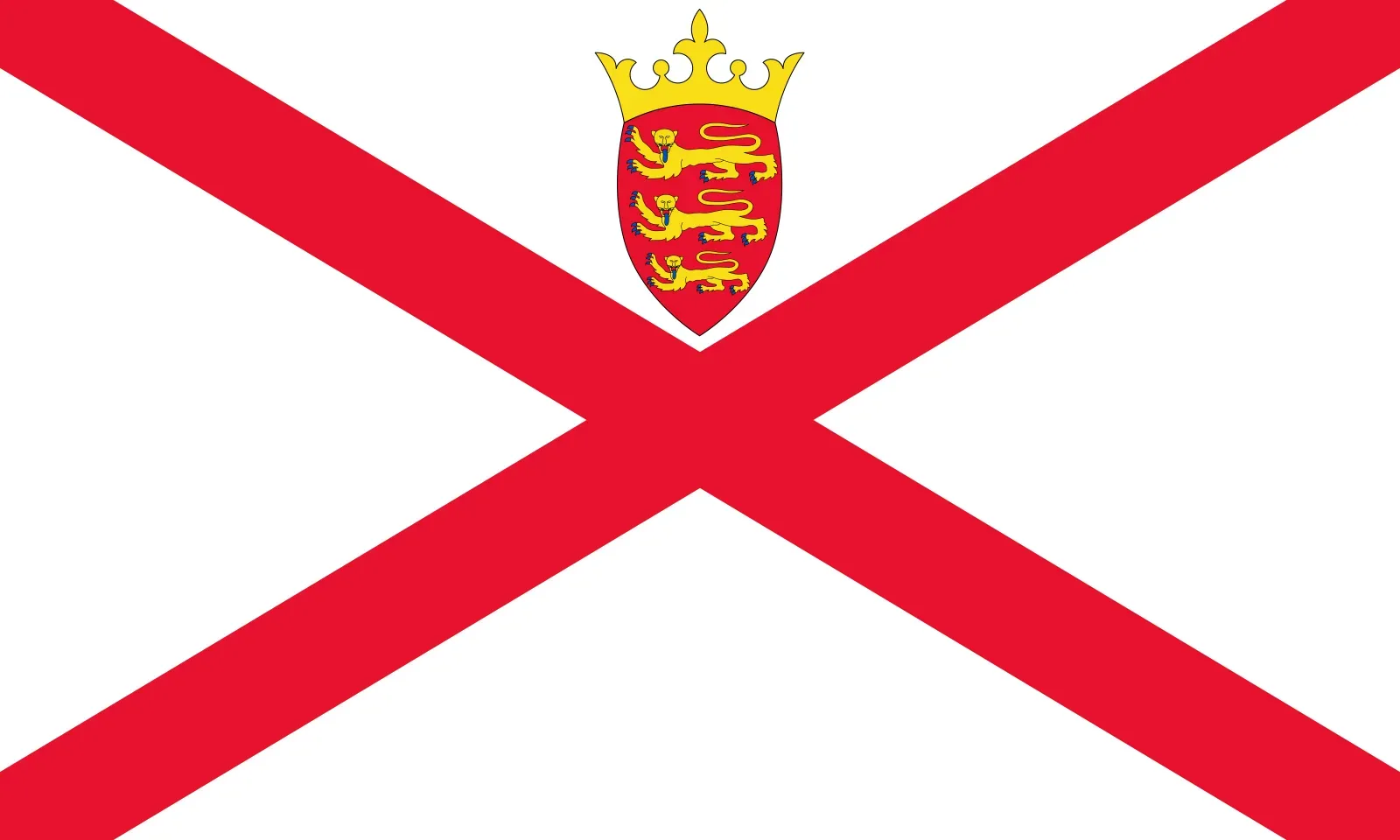
Jersey Company Incorporation
Binderr
Corporate tax
0% standard / 10% financial services
Time to incorporate
1 Week
Cost
Starting from €1,499
Why Set Up a Jersey Holding Company
A Jersey holding company exists to own shares in other companies and collect what they pay out. Groups pick Jersey for its 0% standard company tax rate, its clean treatment of dividends and gains, its light rules for a passive holdco and the fact that banks, funds and buyers already understand the structure.
No Company Tax on Dividends and Gains
The standard rate of company tax in Jersey is 0%, as the Government of Jersey states in its business tax guidance. A 10% rate applies to certain financial services companies and 20% to utilities, large retailers, hydrocarbon oil and Jersey property income. A holding company falls into none of those. Read more: the benefits of incorporating a company in Jersey.
No Capital Gains Tax and No Withholding Tax
Jersey has no capital gains tax, so selling a subsidiary is not taxed on the island at all. Jersey also takes nothing off a dividend paid to a shareholder who does not live there. For a group with investors in several countries, that means the money reaches them without a Jersey deduction on the way.
Set Up a Jersey Holding Company
A Jersey holdco is straightforward once the ownership, the consent and the substance position are settled at the start. This is the work we take on for you.
- Licensed administrator arranged: Only a licensed provider can form and run the company for you.
- 0% company tax: A holding company sits on the standard rate, not the 10% or 20% rates.
- Substance position agreed: We confirm the holdco is pure equity before anything is filed.
- JFSC consent handled: The share issue consent is prepared and filed with the incorporation.
- Ownership chart checked: Beneficial owners and significant persons mapped before the Registry sees them.
- Formed in about a week: From the first call to the certificate, at one price agreed in writing.
- One contact, no email chains: The same person runs the file from the structure call to the bank.
A Reduced Substance Test for a Pure Equity Holdco
Jersey applies economic substance rules to nine relevant activities, and holding company business is one of them. A company whose only function is to hold equity carries the lightest version of the test. The section below sets out what it asks and what breaks it.
One Director, One Shareholder and No Audit
The JFSC Registry confirms that a private Jersey company must have at least one director and is permitted to have a single member. It is not required to have its accounts audited and does not file them with the Registrar. A public company is the opposite: two directors, two members and audited accounts every year.
What a Jersey Holding Company Is Used For
A Jersey holding company owns shares in other companies and, in most structures, does nothing else. Groups use it as the top company of a group, as the owner of a property or a project, as the vehicle investors buy into, and as neutral ground for a joint venture.
The Top Company of a Group
Trading companies in several countries sit underneath one Jersey company, pay dividends up to it, and it pays its owners. Nothing is taxed in Jersey on the way through, and one register of shareholders replaces several. If you want a plain trading company instead, start with our guide to company formation in Jersey.
Real Estate and UK Property
A Jersey company holding a building or a portfolio is a long standing structure, especially for UK property. The Jersey side is simple and the UK side carries the tax: since 6 April 2019 a non-resident company pays UK tax on gains from UK land and from shares in a UK property rich company, and since 6 April 2020 it pays UK corporation tax on UK rental profits. Read more: how to use a Jersey structure to hold UK property and a Jersey SPV for real estate investment.
Pre-IPO and Fund Structures
Jersey companies are used as the listing vehicle above a business and as the general partner or holding company in private equity. A Jersey company can list in London while its operations sit elsewhere. For the fund layer itself, see how to register a private fund in Jersey with the JFSC and the Jersey limited partnership for private equity funds.
Joint Ventures and SPVs
Two parties who do not want to use either side's home country often meet in a Jersey company, split the shares and write the deal into the articles. The same company works as a single purpose vehicle for one asset. Read what an SPV company is and how to set up an SPV in Jersey.
Holding Intellectual Property Changes the Answer
Putting a patent, a trademark or software into the same company changes everything. Holding intangible property is a separate relevant activity with a much heavier substance test, and a company that holds IP is no longer a pure equity holding company. Families who want a wealth structure instead can look at setting up a trust in Jersey.
Jersey Holding Company Requirements
The Jersey holding company requirements come from the Companies (Jersey) Law 1991 and from two rules that catch people out: the JFSC consents to the share issue, and the beneficial ownership information goes to the Registry. None of them asks you to live on the island.
Directors, Shareholders and Share Capital
A private company must have at least one director and may have a single member, and neither has to be resident in Jersey. Shares carry a par value or no par value. No par value shares are common in holding and fund structures because distributions come out of the stated capital account rather than out of distributable profits. Read how to register a private company in Jersey.
A Registered Office and a Licensed Administrator
Every company must have a registered office in Jersey where communications and notices can be sent. The Registry accepts an incorporation from a beneficial owner who lives in Jersey, or from a JFSC regulated service provider that holds a licence to provide formation services. An owner living abroad therefore uses a licensed provider, which supplies the registered office and administers the company. That provider is not an optional extra, and it is the largest running cost of the structure.
JFSC Consent to Issue Shares
The incorporation application includes an application for consent to issue shares under the Control of Borrowing (Jersey) Order 1958. It is granted in the same process, but it is a consent rather than a formality, so the JFSC sees who will own and control the company before it exists. A long ownership chain or a sensitive activity draws questions here.
Beneficial Owners, Significant Persons and the Nominated Person
Under the Financial Services (Disclosure and Provision of Information) (Jersey) Law 2020, a Jersey company files beneficial owner and significant person information with the JFSC and appoints at least one nominated person, which can be a trust company business registrant, a resident significant person, a resident lawyer or accountant or a fund services business. Changes must be notified within 21 days of the company becoming aware of them. Missing the annual confirmation statement or the nominated person carries a fine of up to £10,000 plus daily fines of up to £1,000, and giving false information carries up to 7 years in prison. Our ultimate beneficial owner guide shows how ownership is traced through layers.
What the Public Can See
The name, number, registered office and status sit on the public register. The beneficial ownership information filed under the 2020 Law is not part of that search, and unauthorised disclosure of it carries up to 5 years in prison. See the Jersey registrar of companies.
Jersey Company Incorporation
Binderr
Corporate tax
0% standard / 10% financial services
Time to incorporate
1 Week
Cost
Starting from €1,499
How to Set Up a Jersey Holding Company
Here is how to set up a Jersey holding company in five stages, in the order that avoids a rejected consent or a substance problem later. With us the same order applies and we do the work, so you are not learning Registry rules or chasing an administrator.
Agree the Structure and the Substance Position
First we settle what the company will own, what it will receive and what it will never do. That conversation decides whether it is a pure equity holding company with the lightest substance test or something heavier. A loan to a subsidiary, a management fee or a licence of IP moves it into another relevant activity, and it is far cheaper to know that before the company exists.
Build the KYC Pack and the Ownership Chart
The licensed provider must identify every beneficial owner and controller before it can act, and the JFSC sees the same picture through the consent. We collect passports, proofs of address, the ownership chart up to the individuals and the source of the money going in, and fix mismatched names before anything is submitted.
Reserve the Name and Prepare the Constitution
A name reservation costs £10 under the JFSC fee schedule in force since 1 January 2024. The memorandum and articles then set the share structure: par value or no par value, share classes and the rights attached. This is where a joint venture or an investor round should be written in, not a year later. Read more: how to incorporate a company in Jersey.
File the Incorporation With the JFSC
The provider files the memorandum, the articles and the consent application with the Registry. Under the same schedule the standard service is £200 within 5 business days, £295 within 3 business days, £375 within 2 business days, £520 within 1 business day and £820 within 2 hours. Those fees sit inside our price, and we use the service that matches your deadline.
Set Up the Registers, the Filings and the Account
After incorporation the company appoints its nominated person, files its beneficial owner and significant person information and opens its statutory registers. The bank file is built from the same documents. If you are forming the companies underneath as well, our Jersey offshore company formation guide covers the wider setup.
Jersey Holding Company Formation for Non-Residents
Jersey holding company formation for an owner who lives abroad follows the same rules as for a resident, with one difference: the application comes through a JFSC licensed provider. Nobody has to move or travel, and there is no residency rule for directors or shareholders.
What Changes When the Owner Lives Abroad
The licensed provider becomes the fixed point of the structure. It applies for the incorporation, supplies the registered office, usually acts as the nominated person and keeps the statutory records on the island. Everything else is done remotely. See setting up a business in Jersey as a non-resident and how to set up a company as a non-resident.
Where the Board Meets Still Matters
The decision not to rush is who sits on the board and where it meets. A company incorporated in Jersey is taxed as a Jersey company, but another country can claim it as tax resident if that is where the real decisions are made. The section below sets out how that goes wrong.
Jersey Holding Company Formation From Abroad
Forming a Jersey holdco from another country is routine work for us, and every step runs remotely.
- No residency rule: Directors and shareholders can live in any country.
- No travel needed: Identity checks, signatures and the filing are all done online.
- Licensed provider arranged: We work with the Jersey administrator, so you deal with one team.
- Registered office included: The Jersey address and the statutory records are in place from day one.
- Board position planned: We agree where directors sit and meet before the company is formed.
- Account for owners abroad: Our banking partners open accounts for foreign owned holding companies.
Documents Needed for Jersey Holding Company Formation
The Jersey holding company requirements on paper are short, and the documents behind them are not. The provider, the JFSC and later the bank all want the same picture of who owns the company and where the money comes from, so we collect it once.
For Each Owner, Director and Controller
- Passport: Certified, and matching the name used on every other document.
- Proof of address: A utility bill or bank statement, usually dated within the last 3 months.
- Source of wealth: How the money behind the structure was earned, with supporting papers.
- Role in the structure: Director, shareholder, beneficial owner, or more than one of them.
- Tax residence details: The country and tax reference used for reporting.
For the Company and the Group
For the company we need the proposed name, the share structure, the class rights and a short description of what the holdco will own. Where another company or a trust sits above it, add the registry extract, the constitution and an ownership chart up to the individuals. Where subsidiaries exist, add their registry extracts and latest accounts.
The Economic Substance Test for a Jersey Holding Company
This is the part of the structure that decides its running cost, and where most guides get Jersey wrong. The Taxation (Companies, Economic Substance) (Jersey) Law 2019 applies to financial periods starting on or after 1 January 2019, and holding company business is one of its relevant activities.
What Counts as a Pure Equity Holding Company
Article 1 of the Law defines a holding company as a resident company that is a holding body, has as its primary function the acquisition and holding of shares or equitable interests in other companies, and does not carry on any commercial activity. The joint Crown Dependencies guidance is plainer: a company is a pure equity holding company if its sole function is to acquire and hold equities that are controlling stakes in other companies.
The Reduced Test in Practice
Article 5 asks whether the company is directed and managed in Jersey, whether the employees, expenditure and physical assets there are adequate, and whether all of its core income generating activities are carried out on the island. For a holding company, Article 4 defines those core activities as all activities related to that business, and adequacy is judged, in the words of the Law, having regard to the level of relevant activity carried on in Jersey. A company that receives dividends and does nothing else has very little to be adequate for. In practice the test comes down to the administrator's people and premises, a board that meets in Jersey with a quorum physically present, minutes recording the strategic decisions, and records kept on the island.
No Gross Income Means No Test
Article 5(8) says a resident company is not required to meet the economic substance test if it has no gross income from the relevant activity. A holdco that receives no dividends in a financial period is outside the test for that period. It still files its return and its confirmation statement, so this is no reason to go quiet, but a dormant year is not a compliance problem.
What Takes You Out of the Reduced Test
This is the trap. The guidance says that if a company carries on any other relevant activity, whether or not for profit, it does not fall within the definition of a pure equity holding company, and it must then comply with the full substance requirements of that activity. Lending to a subsidiary is finance and leasing. Charging the group a management fee is headquartering. Holding a trademark is intangible property, the heaviest test of the nine. The guidance is helpful on one point: once a company qualifies, placing dividend money on deposit, or holding gilts and similar securities passively, is not a commercial activity and does not break the status.
Reporting and Penalties
The substance position is reported through the Jersey company tax return, due by midnight on 30 November of the following year, and the Comptroller can look back 6 years. A first failure carries a penalty of up to £10,000 and a second consecutive failure a further penalty of up to £100,000, alongside exchange of information with the other country's tax authority and, in the end, strike off.
Jersey Holding Company Tax in 2026
Jersey holding company tax is simple on the island and complicated everywhere else. Jersey takes 0% on the holdco's income and nothing on its dividends out, so the real questions are what the subsidiary's country deducts and what the investor's country charges.
Item | The Jersey side | The side to check elsewhere |
|---|---|---|
Company income tax | 0% standard rate for a holding company | The subsidiary pays its own country's corporate tax before it can pay a dividend |
Dividends received | Not taxed in Jersey | Withholding tax in the subsidiary's country, which a treaty may or may not reduce |
Gain on selling a subsidiary | No capital gains tax in Jersey | Some countries tax a gain on shares in a local company, especially property rich ones |
Dividends paid to owners | No Jersey withholding tax on a payment to a non-resident | Taxed as income where the shareholder lives |
Rent or gains from UK property | Not taxed in Jersey | UK corporation tax on rent since 6 April 2020 and on gains since 6 April 2019 |
GST | 5%, with registration from £300,000 of taxable supplies, or ISE status instead | VAT or GST in the countries where the group actually trades |
Tax return | Due by midnight on 30 November of the following year | Local returns for each subsidiary, on their own deadlines |
Read the table as one line: Jersey adds no tax, so the structure is only as efficient as the position between the subsidiary's country and Jersey. A holding company in Jersey works well above operations in places that deduct little on dividends, and badly above one that deducts 25% or 30%. Read more: Jersey holding company tax benefits.
Rates Other Than 0%
The 10% rate applies to certain financial services companies and the 20% rate to utilities, large corporate retailers, hydrocarbon oil and income from Jersey land and property. A holdco that collects rent from a Jersey building pays 20% on that rent, which is the one place a normal holdco picks up a Jersey tax bill.
GST and ISE Status
Jersey's goods and services tax is 5%, with registration required from £300,000 of taxable supplies in 12 months, which a passive holdco rarely reaches. Where a company is administered for non-residents it can instead hold International Services Entity status, which means it cannot register for GST, cannot charge or be charged it, and pays a flat annual fee instead.
The Investor Side
A 0% company does not make the profit tax free for the person behind it. Controlled foreign company rules in the owner's country can tax the holdco's income in their hands, and a dividend out is taxed where the shareholder lives. Plan that before the structure is built, not when the first distribution is due.
Central Management and Control and the UK Residence Risk
A Jersey company run from the United Kingdom can be treated as a UK company for tax. This is the most expensive mistake made with offshore holding structures, and it is caused by how the board behaves rather than anything on the Registry.
How a Company Becomes Resident Somewhere Else
UK law treats a company as UK resident where its central management and control is exercised, whatever its place of incorporation. If the real decisions are taken by a shareholder in London and the Jersey board signs the minutes afterwards, the company can be UK resident and pay UK corporation tax.
What the UK and Jersey Agreement Says
The double taxation agreement between the United Kingdom and Jersey, agreed on 3 July 2018 to replace the 1952 arrangement and built on the current OECD model, deals with this in Article 4(3). Where a company is resident in both territories, the two tax authorities decide by mutual agreement which one it belongs to, having regard to its place of effective management and where it was incorporated. Until they agree, the company cannot claim most of the treaty's benefits. Article 23 adds a principal purpose test.
How to Keep the Company Jersey Resident
Appoint directors who genuinely decide, hold board meetings in Jersey with a quorum physically present, record the strategic decisions in minutes and keep those minutes on the island. They are the same actions Article 5(3) asks for on substance, so doing them once answers both questions.
Jersey Company Incorporation
Binderr
Corporate tax
0% standard / 10% financial services
Time to incorporate
1 Week
Cost
Starting from €1,499
Jersey Holding Company Formation Cost in 2026
Our price for Jersey holding company formation starts from €1,499, paid once, for a standard private company limited by shares used as a holdco. It covers the structure and substance advice, the KYC pack, the name reservation, the constitution, the JFSC consent, the Registry fee and the first filings with our licensed administrator, confirmed in writing before you pay. Trusts, foundations, cell companies and regulated structures are quoted separately.
The cost does not stop at the certificate. The table adds the running costs of the first 12 months.
Cost item | When it is paid | Typical amount | What it covers |
|---|---|---|---|
Jersey holding company formation with Binderr | Once, before filing | From €1,499 | Advice, KYC pack, name reservation, constitution, JFSC consent, the Registry fee and the first filings |
Registered office and licensed administration | Each year, quoted with your setup | About €2,000 to €4,500 a year as a planning range | The registered office, the provider, the nominated person and the records |
Annual confirmation statement | Between 1 January and the last day of February | £330 including the government levy for a company administered by a trust company business, or £220 for one that is not | The yearly confirmation of the company details and beneficial owners |
Company tax return and substance reporting | By 30 November of the following year | Usually inside the administrator's annual fee | The Jersey return, at 0% tax, and the substance answers |
Accounts preparation | Each year | About €900 to €2,500 a year as a planning range | Accounts for the members and the bank, with no Registry filing and no audit |
Directors in Jersey | Each year, where the board needs island residents | Quoted with your setup | Directors who can meet in Jersey, for the substance and residence position |
Business account with our banking partners | Monthly, once the account is open | About €30 to €100 a month on a published plan | A multi-currency account with real IBANs for dividends in and out |
Realistic first-year total | Year one | About €5,000 to €10,000 for a pure equity holding company, as a planning range | Our price, the filings, the administrator, accounts and banking |
The JFSC fees are published and fixed. The administrator, the accounts and the directors are market prices that move with the size of the group.
Jersey Holding Company Set Up Costs by Profile
What the company owns, and what it does beyond holding shares, moves the total more than the formation fee.
Company profile | Realistic first year | What drives the cost |
|---|---|---|
Pure equity holdco over one subsidiary, owner abroad | About €5,000 to €7,500 | The administrator and office, on the lightest substance position |
Group holdco over several subsidiaries with a bank account | About €6,000 to €10,000 | More consolidation work, more bank questions and more filings |
Holdco that also lends to the group | About €9,000 to €20,000 | Finance and leasing substance, so people and decisions in Jersey |
Holdco over UK property | About €7,000 to €14,000 | UK corporation tax registration, returns and valuations on top |
Fund, listed or regulated structure | Quoted separately | JFSC authorisation, audited accounts and specialist advice |
Every figure other than the JFSC fees is a planning range, and your written quote is what counts. Read more: the cost of Jersey company formation and our guide to company formation costs.
Jersey Holding Company Formation From €1,499
The price starts from €1,499 with us, and you see the first-year budget before you pay anything.
- From €1,499: Our one-off price for a standard Jersey holding company.
- Registry fee included: The JFSC incorporation fee sits inside our price, not on top of it.
- First-year budget shown: Plan on about €5,000 to €10,000 for a pure equity holdco.
- Administrator quoted upfront: The largest running cost is agreed in writing before you commit.
- Deadlines on our calendar: The February confirmation and the November return tracked from day one.
- Structures quoted separately: Trusts, cells and regulated vehicles priced on their own merits.
How Long Jersey Holding Company Formation Takes
Anyone working out how to set up a Jersey holding company asks this second. It takes about a week with us, and most of that week goes on the KYC pack rather than the Registry, which offers services from 5 business days down to 2 hours.
Stage | Typical time | What happens |
|---|---|---|
Structure and substance call | 1 day | We agree what the company will own, receive and never do |
KYC pack and ownership chart | 2 to 4 days, longer where owners are slow with documents | Certified passports, addresses, source of wealth and the ownership chart |
Name reservation and constitution | 1 day | A £10 reservation, then the memorandum, articles and share classes |
JFSC incorporation and consent | £200 within 5 business days, £520 within 1 business day, £820 within 2 hours | The Registry incorporates the company and consents to the share issue |
Registers, nominated person and filings | 1 to 2 days after incorporation | Ownership information filed and statutory registers opened |
Account with our banking partners | Usually 2 to 4 days from a complete file | A multi-currency account opens for the holdco |
The Registry is rarely the slow part. Where a Jersey holdco takes three weeks instead of one, it is because an owner is slow to certify a passport, or the ownership chain holds an undocumented company, a trust or a politically exposed person.
Running a Jersey Holding Company Each Year
A Jersey holdco has a short annual list and the dates are fixed. The confirmation statement goes to the JFSC Registry by the last day of February, the tax return to Revenue Jersey by 30 November of the following year, and the beneficial ownership record is kept current all year.
Obligation | Deadline | Where it goes | If it is late |
|---|---|---|---|
Annual confirmation statement | Last day of February each year | JFSC Registry | £75 after February, rising through £150, £225, £295, £445 and £590 to £740 by the end of September |
Beneficial owner and significant person changes | Within 21 days of becoming aware | JFSC Registry | A fine and, for a failure to notify, up to 4 years in prison |
Company tax return with the substance answers | Midnight on 30 November of the following year | Revenue Jersey | Penalties, and the substance position is judged on what the return says |
Accounts for the members | Each year | Kept by the company | No Registry filing for a private company and no audit requirement |
Board meetings and minutes | Through the year | Held and kept in Jersey | The substance and residence position weakens without them |
The confirmation statement penalties surprise people, because they climb every month. A company that files in September instead of February pays £740 on top of the fee.
Keeping the Substance File
Keep the board minutes, the register of members and the beneficial ownership record together on the island. The Comptroller can look back 6 years on the substance test, and by then the only evidence is what was written down at the time.
Bank Accounts for a Jersey Holding Company
A holdco needs an account to receive dividends and pay them on, and this step takes the longest. Island banks are cautious with structures owned from abroad and slow with a company that has no trading history. Our partners open a multi-currency account in days.
Feature | Jersey and offshore banks | Our partners |
|---|---|---|
Time to open | Several weeks is normal for a holding structure | Usually 2 to 4 days from a complete file |
Who they accept | Structures with a local link or a large relationship | Holding companies with owners abroad and a clear ownership chart |
Minimum balance | Often a substantial relationship on a private banking file | None |
Monthly cost | Relationship based | About €30 to €100 a month on a published plan |
Multi-currency | A separate account per currency | Several currencies in one account, with real IBANs |
International payments and FX | Priced per SWIFT payment, with a margin often between 1% and 3% | About €5 to €25 to send, and about 0.25% to 1.0% over the interbank rate |
A private bank still suits a large family holding company that wants investment management alongside the account. For a holdco that collects dividends and pays them on, the partner route opens faster and costs less. Read more: bank accounts for Jersey holding companies and how to open an offshore bank account in Jersey.
Why a Holding Company Is a Hard File
The company has no invoices, no customers and no turnover of its own, so the bank looks straight through it to the subsidiaries and the owners. It wants the ownership chart, what the businesses do, where their money comes from and how much will move through the account. A file that answers that in writing gets approved first time.
Faster Accounts Through Our Banking Partners
We work with regulated payment partners that open multi-currency accounts for holding companies in days, remotely and with no minimum balance, using the same KYC pack we built for the company. If these accounts are new to you, read what an EMI account is.

Equals Money
Business Bank Account
Time to onboard
2 Days
Account opening fee
Free
Monthly fee
€30

3S Money
Cross-border payments
Time to onboard
4 Days
Account opening fee
Free
Monthly fee
Starting from € 100
When the Account Should Be Opened
Open it while the incorporation is running, not after the first dividend is declared. A holdco that has sat dormant for a year is a harder file, because the bank asks why nothing has happened.
Equals Money
Business Bank Account
Time to onboard
2 Days
Account opening fee
Free
Monthly fee
€30
Jersey vs Guernsey and the Isle of Man for a Holding Company
Anyone weighing Jersey for a holdco is usually weighing the other two Crown Dependencies. All three tax a standard company at 0%, need a licensed local provider, and run substance rules with a lighter test for a pure equity holding company. The differences are the fees, the filings and the price.
Factor | Jersey | Guernsey | Isle of Man |
|---|---|---|---|
Standard company tax | 0%, with 10% for certain financial services and 20% for utilities, large retailers and local property income | 0% standard, 10% on regulated activities, 20% on utilities and Guernsey property | 0% for most activities |
Capital gains tax | None | None | None |
Yearly filing and fee | Annual confirmation statement by the last day of February, £330 including the levy for an administered company | Annual validation, £525 for a company administered by a licensed provider | Annual return, £380 |
Local provider | JFSC licensed provider for an owner abroad | Licensed corporate services provider files everything | Licensed registered agent for a 2006 Act company |
Known for | Group holdcos, funds, private equity and UK real estate | Captives, cell companies and investment funds | Shipping, aviation, e-gaming and trading companies |
Our price | From €1,499 | From €1,899 | From €1,499 |
Time to incorporate | About 1 week | About 1 week | About 1 week |
On paper these are close. In practice Jersey and Guernsey are picked for holding and fund structures and the Isle of Man for operating businesses.
Jersey vs Guernsey
Both charge 0% on a holding company and both need a licensed local provider. Guernsey's annual validation is £525 for a provider administered company against £330 for the Jersey confirmation statement, and our Guernsey price starts from €1,899 against €1,499 here. Guernsey is the stronger choice where the structure needs cells or an insurance vehicle. Read Guernsey offshore company formation and how to set up a Guernsey holding company.

Guernsey Company Incorporation
Binderr
Corporate tax
0% standard / 10% regulated activities
Capital gains and inheritance tax
0%
Time to incorporate
1 Week
Cost
Starting from €1,899
Jersey vs the Isle of Man
The Isle of Man taxes most company profits at 0%, has no capital gains tax and charges £380 for its annual return, and its 2006 Act companies need a licensed registered agent in the same way. The island is better known for trading, shipping and aviation businesses than for holding structures. We form Isle of Man companies from €1,499 in about a week. Read our guide to Isle of Man offshore company formation.

Isle of Man Company Incorporation
Binderr
Corporate tax
0% for most activities
Time to incorporate
1 Week
Cost
Starting from €1,499
When a Jersey Holding Company Is the Wrong Choice
A Jersey holdco is the wrong answer more often than the marketing suggests. It costs more to run than an onshore company, and the value comes from the tax and legal position, not the company itself.
Small Trading Groups
If the group makes modest profits in one country, the administrator and accounts can cost more than the structure saves. A local holding company, or none at all, is the honest answer.
Groups That Need an EU Directive
Jersey is not in the European Union, so a Jersey company cannot use the EU parent subsidiary directive to strip withholding tax off dividends from an EU subsidiary. Where the subsidiaries are all in the EU, an EU holdco usually wins on that point alone. Compare the options in our guide to European holding company formation.
Anyone Unwilling to Pay for a Licensed Administrator
The licensed provider is not optional for an owner abroad, and it is the biggest yearly line. Anyone looking for a cheap shelf company with no ongoing cost should not start here.
Common Mistakes With Jersey Holding Company Formation
Most problems with Jersey holding company formation start in the first month, in a decision that looked harmless. Each of these is cheap to avoid at the start.
Lending to the Subsidiary From the Holdco
A shareholder loan pushed down from the holding company turns it into a finance and leasing business, which carries the full substance test. If the group needs intra group funding, decide where that company sits before the money moves.
A Board That Does Not Decide
Directors who sign minutes prepared elsewhere fail both tests at once: substance under Article 5 and residence under the double taxation agreement. Appoint directors who read the papers and decide, and hold the meetings on the island.
Missing the February Confirmation
The annual confirmation statement is due by the last day of February, and the penalty climbs to £740 by the end of September. A quiet holdco is the easiest one to forget.
Talk to Us About Your Jersey Holding Structure
Some structures need a conversation before anything is filed. If one of these describes yours, start with a call.
- Group funding planned: Where the intra group loans sit, so the holdco stays pure equity.
- IP in the group: Which company owns the brand or the software, and what that costs.
- UK property or UK shares: The UK filings and charges that sit on top of the Jersey side.
- Trust or foundation above: Layered ownership, and who the Registry treats as the controller.
- Investors coming in: Share classes and rights written into the articles from day one.
- An existing holdco to fix: Missing filings, a weak board record or a substance answer that needs work.
Bottom Line
A Jersey holding company gives you 0% company tax on dividends and gains, no capital gains tax, no withholding tax on payments to owners abroad, one director and one shareholder who can live anywhere, and no audit or public accounts for a private company. In return it needs a Jersey registered office, a licensed administrator, a nominated person, a confirmation statement every February and a return every November.
The whole structure turns on staying a pure equity holding company. Hold shares and nothing else and the substance test is the lightest of the nine relevant activities. Add a loan, a management fee or a piece of IP and the full test applies. Get that right at the start and Jersey holding company formation is one of the cleanest structures available, from €1,499 and about a week to the certificate.