
A special purpose vehicle puts one asset or one deal inside its own company, so its debts and risks stay there and do not reach the rest of what you own. Lenders lend against it, co-investors share it as one shareholder, and a buyer can take over the company instead of the asset. Ireland alone had 3,997 of these vehicles at the end of June 2026.
The structure only works when it is built and run properly. It needs the right jurisdiction, a constitution that limits what it can do, its own records and its own bank account. Banks check every owner, and a new company with no trading history gets more questions.
Setting one up with us is simple. We form the SPV company in Jersey, the BVI, Ireland, the UK and more, with licensed agents where the law requires one: structure advice, KYC pack, constitution, filing and registered office. We open the bank account with you too. One team, one clear price, formed in about a week.
For most cross-border deals, we recommend starting with a Jersey SPV company.
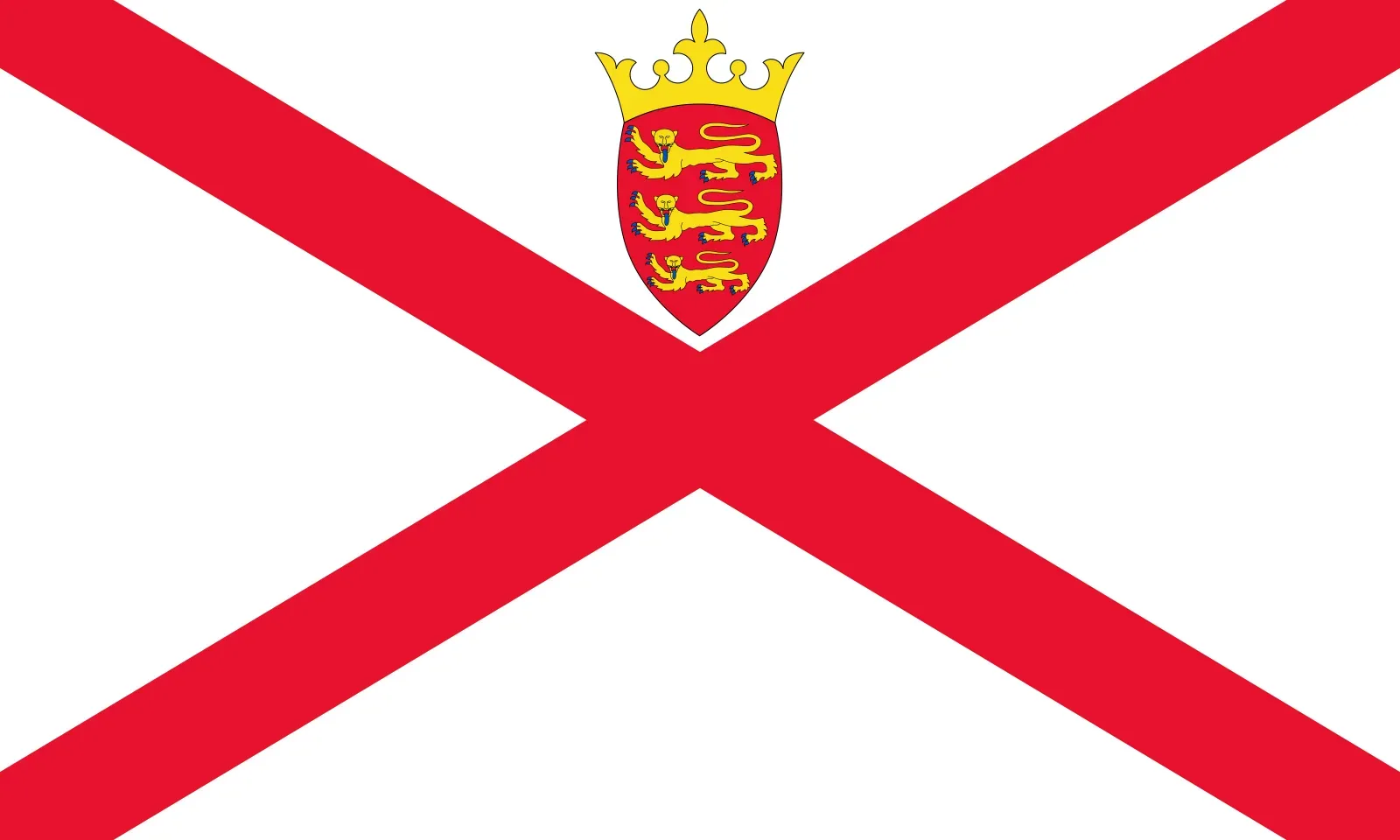
Jersey Company Incorporation
Binderr
Corporate tax
0% standard / 10% financial services
Time to incorporate
1 Week
Cost
Starting from €1,499
What Is an SPV?
An SPV, or special purpose vehicle, is a separate company set up to do one job: hold one asset, run one deal or carry one loan. Its assets and debts belong to it alone. If the owner fails, the asset inside is protected, and if the vehicle fails, its creditors usually cannot reach the owner.
SPV Definition in Plain Words
The simplest SPV definition is a company with one narrow purpose and a legal wall around it. Usually it is an ordinary private limited company. What makes it an SPV company is the limit on what it may do, written into its constitution and into the contracts it signs. A landlord holding one building in its own company has one, and so does a bank selling a pool of loans to a separate company that issues bonds.
Special Purpose Vehicle Meaning in Finance
In finance, the special purpose vehicle meaning is more precise. EU law calls a securitisation vehicle a securitisation special purpose entity. Article 2(2) of Regulation (EU) 2017/2402 defines it as an entity, other than the originator or sponsor, set up to carry out securitisations, with activities limited to that purpose and a structure meant to isolate its obligations from those of the originator. That last part is the point. Investors take the risk of the assets, not the risk of the bank that sold them.
Form Your SPV Company With Us
An SPV company is very doable when the structure is planned before filing. This is what we handle for you.
- Structure advice first: The right form, owners and limits agreed before filing.
- Jurisdiction chosen with you: Jersey, the BVI, Ireland, the UK or another place we cover.
- KYC pack prepared: We tell each owner what to send and build the file.
- Constitution drafted: Objects limited to the asset or deal it exists for.
- Ownership mapped: Every owner traced up to the individuals at the top.
- Formed within a week: Most companies are registered in about one week.
SPV, Special Purpose Entity and Special Purpose Company
You will see three names for the same idea. SPV is the general business term. Special purpose entity, or SPE, is the term regulators use, as in the Central Bank of Ireland's figures. Special purpose company, or SPC, sometimes names a specific legal form, such as a cell company with several separate pools. In everyday use, all three mean the same thing.
Common Legal Forms of an SPV Company
Most SPVs are private limited companies, but the form follows the deal.
Form | How it works | Typical use |
|---|---|---|
Private limited company | Shareholders own it, directors run it, liability is limited to the shares | Property, joint ventures, single deals |
Limited liability company (LLC) | Members own it, and some countries tax it like a partnership | US-facing investment vehicles |
Limited partnership | A general partner manages it, limited partners invest | Funds and co-investment vehicles |
Orphan SPV | A share trustee holds the shares on a charitable or purpose trust | Securitisation and note issues |
Cell company | One company with several legally separate cells | Insurance and multi-pool structures |
For a first SPV, a private limited company is almost always right. It is cheap to run, every bank knows it and its constitution can be limited to one purpose. The other forms solve narrower problems, such as keeping a vehicle away from a bank's balance sheet or holding many pools in one entity, like Guernsey's protected and incorporated cell companies.
What an SPV Is Not
An SPV is not a shell company. A shell has no operations and often no clear purpose, while an SPV has one purpose that a lender, an investor or a regulator usually asked for, and the paperwork to prove it. It is not a holding company either, which owns shares in several businesses for the long term, and our guide to SPV vs holding company sets the two side by side. Nor is it a SPAC, a listed company raising money to buy a business, which we cover in SPAC vs SPV.
Why Companies and Investors Use an SPV
Companies and investors use an SPV to keep one risk away from everything else. The same structure helps raise money against one asset, bring several investors into one deal and sell an asset cleanly later. Each of these comes back to the legal wall around the company.
Ring-Fencing Risk in One Company
If a building is damaged, a tenant sues or a project runs over budget, the claim stays inside the vehicle, and your other assets sit in other companies, out of reach. That only works with one asset or one deal in each company. Put two assets together and a claim against one can reach the other.
Raising Finance Against One Asset
A lender financing one property or project wants security over that asset and no other creditor in the queue. A special purpose vehicle gives it a clean borrower with one asset, one loan and no history. In return, you can usually borrow without putting your other assets or your main company on the line.
Pooling Co-Investors Into One Shareholder
When 20 investors want a share of one deal, they do not each join the target's share register. They invest in an SPV, which becomes one shareholder in the target. The target deals with one name, and voting and exit terms sit in one set of documents.
Selling the Company Instead of the Asset
Selling the shares in the vehicle can be simpler than selling the asset. Contracts, licences and permits stay with the company. Buyers accept this when the company is clean: one asset, no other debts and every filing up to date. Transfer taxes on shares and on assets differ by country, so check them first.

Company Incorporation in BVI (Virgin Islands)
Binderr
Corporate tax
0% for most
Capital gain tax
0%
Incorporation time
2–5 working days
Cost
Starting from €1,899
Common SPV Uses With Real Examples
SPVs sit behind securitisations, property deals, infrastructure projects and investment rounds. The structure is the same each time. What changes is who asks for the vehicle, a lender, an investor group or a project partner, and what they want written into it.
Securitisation and the Irish SPV Market
A lender sells a pool of loans to a vehicle, which issues notes backed by those loans, and investors are paid from the repayments. At the end of June 2026, the Central Bank of Ireland counted 1,726 financial vehicle corporations and 2,271 other special purpose entities in Ireland, with €1,343 billion of assets between them. Collateralised loan obligation vehicles, which buy pools of company loans, held 44.4% of the financial vehicle assets.
Property Held in Its Own Company
Property is a common use for private investors. A UK property company usually registers under SIC code 68100, buying and selling of own real estate, or 68209, letting and operating of own or leased real estate, which tells banks and lenders what it does. Investors abroad often hold property through a Jersey or EU company instead. Our guide to using an SPV for real estate investment covers lenders, tax and structure.
Joint Ventures and Project Companies
Large projects are built inside a project company. Sizewell C, the new nuclear power station in Suffolk, is being built by Sizewell C Ltd. At its final investment decision, the UK government held 44.9%, La Caisse 20%, Centrica 15%, EDF 12.5% and Amber Infrastructure 7.6%, according to a written statement to Parliament on 22 July 2025. Each partner's risk sits in its stake, and lenders look to the project. The same logic works for a joint venture company between two businesses.
Private Equity and Venture Capital Deals
Investment managers often raise money for one company at a time through a deal-by-deal vehicle instead of a blind pool fund. Investors see the target first, and the company is wound up when the stake is sold. Our guides to SPVs in private equity and SPVs in venture capital go further.
Read more: how to set up an SPV.
Build the Right SPV Structure
Each use needs a slightly different SPV structure. We set it up around your asset, lender and investors.
- Ring-fenced from day one: A separate company, records and account for each asset.
- Co-investors on one line: Shares, voting and exit terms set in the documents.
- Lender-ready documents: Restricted objects and a clean ownership chain.
- Joint venture terms: Two or more sponsors, one company, clear control rules.
- Built for non-residents: No visa, no residence and no local partner needed.
How an SPV Company Works
An SPV company works like any limited company, with shareholders, directors and a registered office. The difference is in the limits: what it may do, who can claim against it and who can put it into insolvency. Those limits come from its constitution, its contracts and its daily habits.
Who Owns an SPV Company
Usually the owner is obvious: a parent company, a group of investors or joint venture partners. In securitisation it often is not. An orphan SPV has its shares held by a professional share trustee on a charitable or purpose trust, so no bank or sponsor owns it, and it stays away from the sponsor's balance sheet and creditors. It costs more to run, so use it only where that matters.
Directors and Independent Directors
Most vehicles are run by directors the owner appoints. Where a lender needs to know the company will not file for insolvency to suit its owner, it asks for an independent director whose vote is needed for that step. Directors are also where tax residence is tested, because many countries tax a company where its board really makes decisions.
Bankruptcy Remoteness in Plain Words
Bankruptcy remoteness means the vehicle is built so it is unlikely to be pulled into anyone else's insolvency. Four tools do the work: a constitution limited to one purpose, limited recourse clauses that cap each creditor's claim at the company's own assets, non-petition clauses in which creditors agree not to wind it up, and strict separation of money, records and decisions.
Feature | What it does | Where it sits |
|---|---|---|
Restricted objects | Limits the company to its one asset or deal | Constitution |
Limited recourse | Caps each creditor's claim at the company's own assets | Loan and note documents |
Non-petition | Creditors agree not to start insolvency proceedings | Loan and note documents |
Independent director | Vote needed before any insolvency filing | Board, usually at a lender's request |
Own bank account and records | Shows the company is run on its own | Day-to-day operations |
Share trustee | Holds the shares of an orphan SPV | Charitable or purpose trust |
Restricted objects, the bank account and a share trustee are set up at formation. Limited recourse and non-petition clauses live in the finance documents, so a company can look like an SPV on paper without being bankruptcy remote. Agree with any lender what it needs before you form.
SPV Accounting and Consolidation
A separate company is not automatically off its owner's accounts. Under IFRS 10, a company consolidates any entity it controls, meaning it has power over it, is exposed to its variable returns and can use that power to affect them. IFRS 12 adds disclosure for structured entities, the accounting name for many SPVs. Hiding debt this way was at the heart of the Enron collapse, where the SEC said two off-balance-sheet SPEs were used to manufacture earnings and conceal debt.

Ireland Company Incorporation
Binderr
Corporate tax
12.5% trading / 25% non-trading income
Time to Incorporate
1 Week
Cost
€1,899
SPV Rules and Risks in 2026
An SPV is legal and widely used, but more rules reach it than ten years ago: substance laws, ownership registers, EU anti-avoidance rules and a global minimum tax. None of them stop a well-built vehicle, and all of them are easier to meet at formation.
Economic Substance Rules
Jersey, the BVI and other offshore centres have had economic substance laws since 2019 for companies with certain activities, such as finance and leasing, headquarters or holding shares. A pure equity holding company, which only holds shares and receives dividends and gains, meets a reduced test. A vehicle that lends, leases assets or owns IP faces the full test, with local directors, decisions and spending. Failing it brings fines and, in the end, strike-off.
Read more: BVI economic substance for holding companies.
Beneficial Ownership Registers
Every jurisdiction we cover records who really owns and controls a company. In the EU, the Court of Justice ended open public access to these registers on 22 November 2022, and Regulation (EU) 2024/1624 applies from 10 July 2027 with a 25% ownership threshold. Since 2 January 2025, BVI companies file beneficial ownership details with the Registry through their agent, at a 10% threshold. Layers of companies do not remove the duty.
EU ATAD and CFC Rules in Plain Words
The EU Anti-Tax Avoidance Directive, Council Directive (EU) 2016/1164, has applied since 1 January 2019. Its interest limitation rule caps net borrowing costs at 30% of EBITDA, with an optional €3 million safe harbour. Its controlled foreign company, or CFC, rule lets an EU country tax a parent on the low-taxed income of a company it controls by more than 50%. In plain words, a 0% vehicle does not always mean 0% tax for its owner. A separate EU plan on shell entities, known as Unshell or ATAD 3, was dropped: the Council's tax report of 18 June 2025 says work on it should not continue.
Global Minimum Tax for Large Groups
Groups with revenue of €750 million or more fall under the 15% global minimum tax in Council Directive (EU) 2022/2523, so a 0% vehicle in such a group can lead to a top-up tax elsewhere. Smaller groups and private investors are not affected.
When an SPV Structure Fails
Most problems come from how the company is run, not from the law. Courts and insolvency officers look at whether it had its own bank account, records, contracts and decisions. Where money and decisions were mixed with the owner's, the ring-fence can be lost.
Keep Your SPV Company Compliant
Substance, ownership filings and tax residence are easy to get right at the start. We put them on our calendar.
- Substance planned early: Board, directors and decisions set up in the right place.
- Ownership filings done: Beneficial owners reported on time in every register.
- Tax residence clear: Where the company is managed agreed before it trades.
- Deadlines tracked: Annual returns and substance reports filed on time.
- Clean records: Minutes, contracts and accounts kept for the vehicle alone.
What an SPV Company Costs in 2026
An SPV company costs from €350 to form with us in the UK, €1,499 in Jersey and €1,899 in Ireland or the BVI, paid once for a standard limited company. That covers the structure advice, your KYC pack, the constitution, the registry fee, the registered office or agent at formation and the first ownership filings, confirmed in writing before you pay. Orphan, cell and note-issuing structures are quoted separately.
Cost item | When it is paid | Typical amount |
|---|---|---|
SPV company formation with Binderr, all of the above included | Once, before filing | From €350 (UK), €1,499 (Jersey), €1,899 (Ireland, BVI) |
Registry annual fee or return | Every year | £50 UK confirmation statement, €20 Irish annual return online, US$550 BVI annual fee up to 50,000 shares |
Registered office, agent or administrator | Every year from year two | Quoted with your setup |
Accounts and tax return | Every year | Quoted with your setup |
Audit | Only where the law, a lender or investors require it | Quoted with your setup |
Independent director or share trustee | Every year, financed and orphan vehicles | Custom (book a call) |
Business account with our banking partner | Monthly, from opening | Quoted with your setup |
Realistic first-year total | Year one | About €6,000 to €14,000 for a straightforward Jersey SPV, other places quoted with your setup |
The formation fee is the smallest number here. The yearly agent, accounts and any independent director decide whether the vehicle is worth having, so set the running cost against the value of the asset before you form. Our company formation costs guide covers more countries.
How Long It Takes to Form an SPV
With a complete file, we form an SPV company in 2 to 5 working days in the BVI and in about a week in Jersey, Ireland and the UK. Owner checks set the pace, so certified passports, proof of address and source of funds evidence save the most time. The bank account follows the company, and lender consents add time.
Form an SPV Company From €350
One clear starting price, and a first-year budget you can plan around.
- Starting prices: From €350 in the UK and €1,499 in Jersey.
- Registry fee included: The filing fee sits inside our price.
- Running costs priced: Year-two office, filings and accounts quoted upfront.
- Complex structures quoted: Orphan, cell and note-issuing vehicles priced on scope.
- Fast turnaround: 2 to 5 working days in the BVI, about a week elsewhere.
Business Banking for an SPV Company
An SPV needs its own business account from the first day, because a separate account is part of what keeps it separate. This is the part that rewards preparation, and it is very solvable when the file explains the deal.
Why Banks Look Hard at an SPV
A bank sees a new company with no trading history, no revenue, no staff and a purpose its reviewer may not know. Local banks in offshore centres also tend to prefer a local link or a large balance, and their reviews can take weeks. So prepare the bank file with the company file.
Opening an SPV Account With Our Partners
Our banking partner for complex structures opens multi-currency accounts for SPVs, trusts and foundations, usually in about a week. We build one file for the company and the account, make the introduction and handle the questions with you. Read what an EMI account is to see how it differs from a bank account.

Interpolitan Money
Business account
Time to onboard
1 Week
Currency
EUR, USD, GBP, AED, and 50+
Monthly fee
Custom
What the Bank Asks an SPV For
Have these ready before you apply.
- What the company is for: One paragraph in plain words, with no jargon.
- Full ownership chain: Every company up to the individuals at the top, with ID for each.
- Source of funds: Documents that show where the money comes from.
- Expected account activity: What will move through the account, how often and how much.
- Deal documents: The loan offer, share purchase agreement or subscription agreement.
Read more: how to open a bank account for an SPV and opening an account for a Jersey SPV.
Open an SPV Business Account
A business account for an SPV opens smoothly when the file explains the deal. We prepare it with you.
- Bank file built once: Ownership, source of funds and deal papers in one pack.
- Partner built for structures: Our banking partner takes SPVs, trusts and foundations.
- Multi-currency account: Receive and pay in the currencies your deal uses.
- Remote opening: No branch visit and no flight to the bank.
- Started with formation: The account file begins the day the company does.
Jersey, BVI, Ireland and UK SPV Companies Compared
These four places cover most SPV needs: Jersey for cross-border deals and funds, the BVI for lean deal vehicles, Ireland for EU securitisation and the UK for UK property. The right pick depends on who will lend to, invest in or buy the vehicle.
Factor | Jersey | BVI | Ireland | UK |
|---|---|---|---|---|
Corporate tax | 0% standard, 10% financial services | 0% | 12.5% trading, 25% non-trading and Section 110 | 19% to 25% |
Our price | From €1,499 | From €1,899 | From €1,899 | From €350 |
Time to incorporate | 1 week | 2 to 5 working days | 1 week | 1 week |
Director rule | 1 director, no residency rule | 1 director within 15 days, no residency rule | 1 EEA-resident director or a €25,000 bond | 1 director who is a person, identity verified |
Audit | Not required for a private company unless its articles or members ask | No statutory audit, annual financial return to the agent | Required unless the company qualifies as small | Not required for most small companies |
Banking | Local banks and our partners | Usually outside the BVI, often with our partners | Irish banks or our partners | UK banks, specialist lenders or our partners |
Best for | Cross-border deals, funds and real estate | Joint ventures and deal vehicles | EU securitisation over €10 million | UK property |
The tax rate is not what separates them: Jersey and the BVI charge 0%, Irish Section 110 companies can deduct their funding costs and the UK taxes profit like any other company. Acceptance by your lender and investors decides. For cell structures we also form SPVs in Guernsey, and for an EU vehicle outside securitisation, in Malta.
Jersey SPV Company
Jersey is our first choice for most cross-border SPVs. Companies pay 0% standard tax, a private company needs one director with no residency rule, and there is no statutory audit unless its articles or members ask for one. We form a Jersey SPV company from €1,499 in about a week, working with licensed administrators on the island. The catch is running cost, because every Jersey company needs a registered office on the island. Jersey's 0% also does not remove tax where the asset sits: a Jersey company that owns UK property pays UK corporation tax on its UK rents. See how to set up an SPV in Jersey.
Jersey Company Incorporation
Binderr
Corporate tax
0% standard / 10% financial services
Time to incorporate
1 Week
Cost
Starting from €1,499
BVI SPV Company
The BVI is the fastest offshore SPV we form, in 2 to 5 working days from €1,899, and it costs less than Jersey to run. Companies pay 0% tax, one director of any nationality is enough, and the yearly government fee is US$550 for up to 50,000 authorised shares. The catch is reporting: beneficial owners filed with the Registry since 2 January 2025, an annual financial return to the registered agent within 9 months of the year end, and a yearly economic substance report. Read how to set up a BVI SPV.
Company Incorporation in BVI (Virgin Islands)
Binderr
Corporate tax
0% for most
Capital gain tax
0%
Incorporation time
2–5 working days
Cost
Starting from €1,899
Irish Section 110 SPV
Ireland is one of the EU's main homes for securitisation vehicles. A Section 110 company must be Irish resident, hold qualifying assets such as financial assets, have at least €10 million of them on the day it first acquires them, and notify Revenue on Form S.110 within 8 weeks. It is taxed at 25%, but its profit is worked out under trading rules, so it can deduct its funding costs. Every Irish company also needs a director resident in the EEA or a €25,000 bond. We form Irish companies from €1,899 in about a week. Below €10 million, Ireland is the wrong place for a securitisation vehicle. See our Ireland company formation guide.
Ireland Company Incorporation
Binderr
Corporate tax
12.5% trading / 25% non-trading income
Time to Incorporate
1 Week
Cost
€1,899
UK SPV Company
The UK is the default for UK property. We form a UK SPV company from €350, including the £100 Companies House fee, in about a week. Profits are taxed at 19% up to £50,000 and 25% above £250,000, with marginal relief in between, so it is not tax neutral. Since 18 November 2025, directors and people with significant control must verify their identity with Companies House, and the yearly confirmation statement costs £50. See how to set up a property SPV in the UK.
.svg.webp?w=96&q=75)
UK Company Incorporation
Binderr
Corporate tax
19% (small profits) / 25% (main rate)
Time to Incorporate
1 Week
Cost
€350 (no pre-payment)
Our recommendation is simple. For most cross-border SPVs, choose Jersey. Choose the BVI when running cost and speed matter most, Ireland for an EU securitisation above €10 million and the UK for UK property funded by a UK lender. If your deal fits none of these, we tell you before you pay anything.
Read more: best jurisdictions for SPV formation.
Common SPV Company Mistakes
Most SPV mistakes are made at formation and paid for later, when a lender, a buyer or a tax authority looks closely. These four are the most common, and each one is easy to avoid with a little planning.
Putting Several Assets in One SPV
Founders put two properties or two deals in one company to save a set of accounts. A claim against one asset can then reach the other, and a lender taking security over one asset will ask about the second. Splitting them later means transferring an asset, often with transfer tax, lender consent, legal fees and sometimes a new loan. A second UK company costs from €350 with us, usually far less than unwinding a combined one. Keep one asset in each company from the start, even when the second asset looks small.
Forming Where Your Lender Will Not Lend
Some founders form the vehicle first and ask the lender or investors later, to save time. Many lenders and fund investors keep their own list of jurisdictions they accept, and it can be narrower than any official list. If yours is not on it, you pay to form a second company, from €1,499 in Jersey or €1,899 in Ireland with us, and lose weeks on the deal. Ask the lender, the lead investor or the buyer which jurisdictions they accept before anything is filed, and get their answer in writing first.
Ignoring Where the SPV Is Managed
A 0% company run entirely from your home country can end up taxed there. Many countries tax a company where its board really decides, so a vehicle whose board sits in the UK can become UK tax resident and pay up to 25%. EU CFC rules can also tax a parent that controls more than 50% of a low-taxed company. Hold board meetings where the company is registered, with directors who decide, keep the minutes and check your home country's rules before you form. Our guide to setting up a company as a non-resident explains the basics.
Leaving the Bank Account to Last
Formation takes about a week, but a new company with no trading history can wait weeks for an account at a local bank. A deal cannot close without an account to receive the money, so a late account can push back a closing date or cost a lender's commitment fee. Start the bank file on the same day as the company file, with the ownership chain, source of funds and deal documents ready. Then plan the account into the deal timetable, not after it. Our partners open accounts remotely once the file is complete.
Talk to Us Before You Form an SPV
Choosing between Jersey, the BVI, Ireland and the UK is easier after a short call.
- Jurisdiction recommendation: The place that fits your asset and investors.
- Ownership and control: Who owns the company and who signs for it.
- Home tax checked: Rules in your own country flagged before you file.
- First-year budget: Running costs set out in writing.
- €30 advisory call: Credited against a setup within 30 days.
Bottom Line
A special purpose vehicle is a company with one job and a legal wall around it. It holds one asset, one deal or one loan, so the risk stays inside it. The wall only holds if the company is built with the right constitution and run separately, with its own account, records and decisions.
For most cross-border SPVs, Jersey is the place to start, with the BVI, Ireland and the UK each fitting a narrower job. We form SPV companies from €350 in the UK and €1,499 in Jersey, file the ownership records and open the account with you.
What is a special purpose vehicle in simple terms?
What is an SPV company used for?
What does SPV stand for?
What is the legal SPV definition?
Is an SPV a separate legal entity?
How much does an SPV company cost in 2026?
How long does it take to form an SPV company?
Does an SPV pay tax?
Who owns an SPV?
Is an SPV the same as a shell company?
Does an SPV appear on the parent's balance sheet?
Can a non-resident own an SPV company?
Can an SPV open a business bank account?
Sources
Central Bank of Ireland, SPE statistics Q2 2026
Regulation (EU) 2017/2402, Article 2(2)
Council Directive (EU) 2016/1164 (ATAD)
Council of the EU, ECOFIN tax report, 18 June 2025
Council Directive (EU) 2022/2523
Regulation (EU) 2024/1624 (AMLR)
CJEU, Cases C-37/20 and C-601/20
UK Parliament, Sizewell C statement, 22 July 2025
Revenue, TDM Part 04-09-01, August 2026
Revenue, section 110 Notes for Guidance
CRO, EEA resident director (Leaflet 17)
Companies House, fees, 25 September 2026
Companies House, identity verification
HMRC, non-resident company landlords
Government of Jersey, company tax
Crown Dependencies, substance guidance

-384x240.jpg?w=3840&q=75)