A valid ID doesn't always mean a genuine customer. Stolen documents, synthetic identities, and AI-generated deepfakes are making identity fraud harder to detect. According to the Federal Trade Commission (FTC), over 1.1 million identity theft reports were received in 2024, highlighting the need for stronger identity verification.
Face match verification adds an extra layer of security by comparing a customer's live selfie with their identity document photo. Using AI-powered facial recognition KYC, businesses can perform a selfie to ID match, check liveness, and identify potential impersonation attempts before onboarding.
But how reliable is facial recognition against sophisticated fraud? This guide explores how face matching works in KYC, its key benefits, accuracy challenges, security risks, and best practices for safer, faster customer verification.
Binderr KYC Software for Businesses
Binderr combines AI-powered identity verification, biometric face matching, liveness checks, and fraud detection in a unified compliance workspace. Businesses can verify customer identities, screen for financial crime risks, and manage onboarding without switching between disconnected systems.
- AI-powered facial identity verification
- Biometric selfie matching checks
- Advanced liveness detection technology
- Identity document authenticity checks
- Automated KYC compliance workflows
- Integrated AML risk screening
What Is Face Matching in KYC?
Face matching in KYC uses biometric technology to compare a customer's live selfie with their ID photo. AI-powered face match verification analyses facial features and generates a similarity score to confirm identity. Through a selfie to ID match, facial recognition KYC helps businesses detect impersonation, flag mismatches, and securely verify customers remotely.
Start KYC Verification for Free
Why Is Face Matching Important for KYC Verification?
Face matching strengthens KYC verification by confirming whether customers match their identity documents. It helps businesses reduce identity fraud, automate verification, and simplify digital onboarding.
Helps Prevent Identity Impersonation - Fraudsters can use stolen or forged identity documents to impersonate legitimate customers. Face match verification compares a live selfie with the ID photo, helping businesses detect mismatches and prevent unauthorised onboarding.
Strengthens Remote Customer Verification - Businesses can verify customers without requiring physical visits or face-to-face checks. Facial recognition KYC enables secure remote identity verification through biometric facial comparisons, supporting faster and more convenient customer onboarding.
Speeds Up Digital Customer Onboarding - Manual identity checks can delay onboarding and increase operational workloads. Automated selfie to ID match technology compares facial images within seconds, reducing manual effort and helping businesses approve legitimate customers faster.
Improves Identity Verification Consistency - Human reviewers may interpret facial similarities differently, leading to inconsistent decisions. AI-powered face matching uses standardised biometric algorithms and matching thresholds to deliver more consistent verification results and flag uncertain matches for review.
Helps Detect Suspicious Verification Attempts - Identity fraud can involve stolen photographs, impersonation, or manipulated facial images. Combined with liveness detection, face match verification helps identify suspicious attempts, flag potential spoofing, and trigger additional security checks.
Supports Risk-Based KYC Compliance - Financial institutions must verify customer identities and assess potential risks during onboarding. Facial recognition KYC supports these requirements by adding biometric identity evidence to document verification, customer risk assessments, and broader compliance workflows.
What Is Facial Recognition in KYC?
Facial recognition in KYC uses AI-powered biometric technology to analyse facial features and verify customer identities. It works through two methods: facial verification (1:1), which compares a live selfie with an ID photo, and facial identification (1), which searches multiple reference records for potential matches.
For standard facial recognition KYC checks, face match verification primarily uses a one-to-one selfie to ID match to confirm identity, detect impersonation, and strengthen digital onboarding security.
Automate Customer Verification
Face Matching vs Facial Recognition: What's the Difference?
While both use biometric technology to verify identities, face matching focuses on comparing two facial images, while facial recognition can verify or identify individuals across multiple records.
Here's how face match verification and facial recognition KYC differ in their processes, applications, and role in selfie to ID match verification.
Feature | Face Matching | Facial Recognition |
Main purpose | Verify whether two faces match | Verify or identify individuals |
Comparison | Typically 1:1 | 1:1 or 1 |
Reference | Selfie and ID photograph | ID image or reference database |
KYC application | Document-holder verification | Identity verification and identification |
Main outcome | Match or non-match assessment | Verification or candidate identification result |
Core technology | Biometric facial comparison | Broader facial recognition algorithms |
How Does Face Matching and Facial Recognition Work in KYC?
Face matching in KYC follows a structured process that combines identity document verification, biometric facial comparison, and fraud detection.
Here's how face match verification works step by step to confirm customer identities and support secure onboarding.
Step 1: Customer Submits an Identity Document
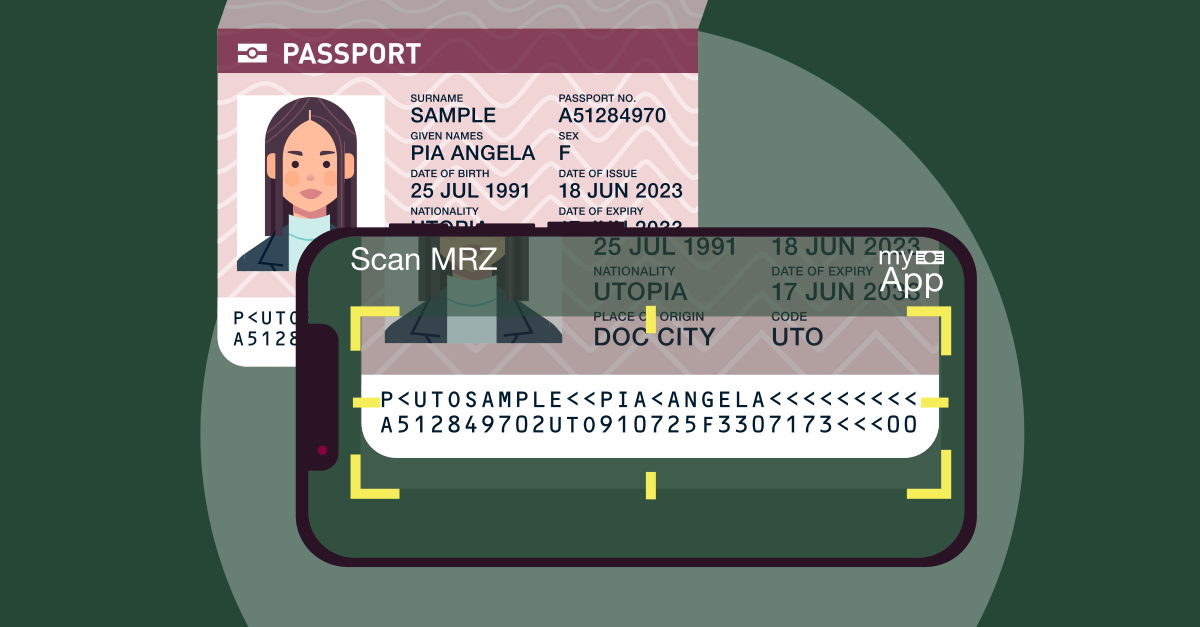
The process begins when a customer uploads a government-issued identity document, such as a passport, national ID card, or driving licence. The system uses Optical Character Recognition (OCR) to extract personal details and capture the document's facial photograph for verification.
Before proceeding, the system checks image clarity, document format, expiration dates, and available security features. These authenticity checks help detect altered or suspicious documents and establish a reliable reference image for the selfie to ID match.
Step 2: A Live Selfie or Facial Image Is Captured
Next, the customer takes a live selfie or completes a facial capture session using a smartphone or computer camera. Facial recognition KYC technology captures the facial image and prepares it for comparison with the photograph extracted from the identity document.
Good lighting, clear facial visibility, and proper camera positioning improve verification accuracy. The system may request another image if the face is blurred, partially covered, or poorly positioned, reducing the chances of incorrect matching.
Step 3: AI Analyses Facial Characteristics
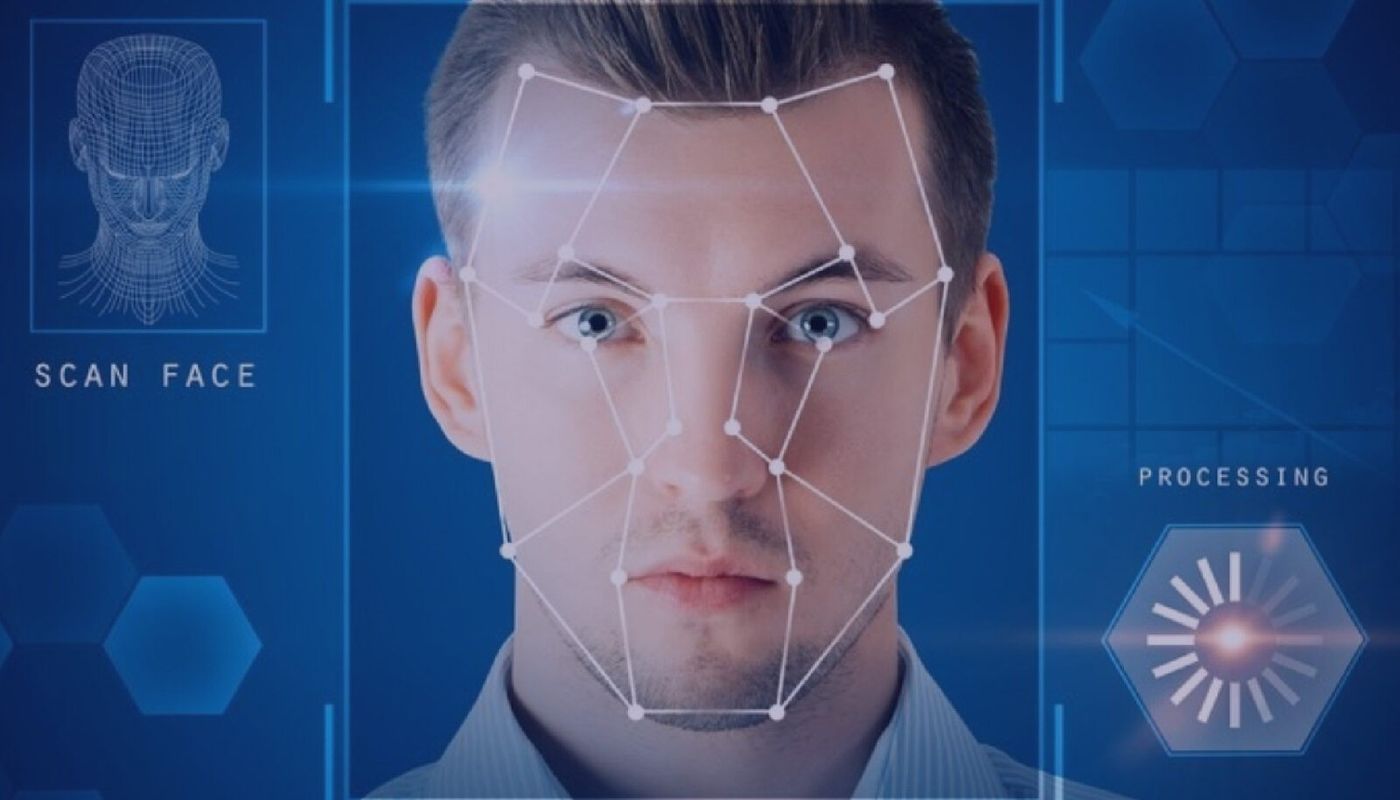
AI-powered biometric algorithms analyse both facial images to identify distinguishing characteristics. The technology detects facial landmarks, aligns the images, and examines patterns around the eyes, nose, mouth, and overall facial structure.
Rather than relying only on visible measurements, modern face match verification systems convert facial information into mathematical representations called biometric templates. These representations allow algorithms to compare complex facial patterns while accounting for variations in lighting, angles, and expressions.
Step 4: The System Performs Biometric Face Matching
The system performs a one-to-one biometric comparison between the live selfie and the identity document photograph. During this selfie to ID match, facial recognition algorithms calculate a similarity score indicating how closely the two facial representations correspond.
The score is evaluated against predefined matching thresholds to determine whether the images likely belong to the same person. Strong matches may pass, clear mismatches may fail, and uncertain results may require additional checks. However, a high similarity score alone does not guarantee identity authenticity.
Step 5: Liveness and Spoofing Checks Are Applied
Liveness detection helps determine whether the captured face belongs to a physically present person rather than a printed photograph, video replay, or realistic mask. Depending on the technology, customers may complete simple movements or undergo passive checks without additional actions.
Advanced facial recognition KYC systems may also include deepfake detection and safeguards against manipulated camera feeds. However, liveness detection alone cannot prevent every synthetic media or camera-injection attack, making layered fraud prevention essential.
Step 6: Verification Results Are Reviewed
Once the biometric comparison and security checks are complete, the system combines the results to produce a verification outcome. Face match verification may return a successful match, failed verification, or a flagged result requiring further investigation.
Compliance teams can review suspicious matches, examine document discrepancies, or request another selfie or additional identity evidence. This review process helps distinguish genuine verification errors from potential identity fraud before making an onboarding decision.
Step 7: The Result Supports the KYC Decision
The final facial verification result becomes part of the customer's overall KYC assessment. A successful selfie to ID match provides supporting evidence that the applicant resembles the identity document holder, but it does not replace other compliance checks.
Businesses can combine biometric results with document authentication, sanctions and PEP screening, customer risk scoring, and customer due diligence (CDD). This integrated approach helps compliance teams make informed onboarding decisions, escalate higher-risk cases, and maintain reliable verification records.
Automate Face Matching and KYC Checks with Binderr
Binderr helps businesses simplify digital onboarding by combining facial verification, identity document checks, and compliance screening in one workflow. Teams can reduce repetitive manual tasks while maintaining visibility over verification results and customer risk.
- Automated customer identity onboarding
- Selfie-based biometric face matching
- AI-assisted identity fraud detection
- Secure document verification workflows
- Centralised customer verification records
- Streamlined compliance review processes
What Technologies Power Facial Recognition in KYC?
Facial recognition KYC combines artificial intelligence, biometric analysis, and fraud detection technologies to verify customer identities. These technologies work together to improve face match verification, detect suspicious activity, and support secure digital onboarding.
Artificial Intelligence and Machine Learning
AI and machine learning power facial recognition by analysing facial patterns and comparing biometric data. Trained algorithms identify similarities between a customer's selfie and ID photograph, enabling automated selfie to ID match verification.
Accuracy depends on the AI model, image quality, training data, and verification conditions. Advanced algorithms can also adapt to variations in facial expressions, lighting, and camera angles to improve matching reliability.
Facial Biometrics and Feature Extraction
Facial biometrics converts unique facial characteristics into numerical representations called biometric templates. These templates capture complex facial patterns that face match verification systems compare to assess identity similarity.
Since biometric information is sensitive, secure encryption, restricted access, and appropriate data retention controls are essential. This technology enables automated facial comparisons without relying entirely on manual visual inspection.
Active and Passive Liveness Detection
Liveness detection helps confirm that a real person is physically present during facial recognition KYC checks. Active liveness may require actions like turning the head or following instructions, while passive liveness analyses facial images without additional user interaction.
Both approaches help detect spoofing attempts, although their security effectiveness and customer experience can differ. Passive checks can simplify onboarding, while active challenges provide an additional opportunity to assess user interaction.
Deepfake and Presentation Attack Detection
Fraudsters may use printed photographs, realistic masks, replayed videos, or AI-generated deepfakes to bypass biometric checks. Presentation attack detection identifies physical spoofing attempts, while deepfake detection and injection safeguards address manipulated media and fraudulent camera inputs.
Combining these technologies strengthens face match verification against sophisticated identity fraud. Advanced detection systems can also flag unusual visual patterns and suspicious capture activity for further investigation.
Optical Character Recognition and Document Verification
Optical Character Recognition (OCR) extracts personal details and facial images from passports, national IDs, and driving licences. Document verification then assesses security features, validity, and potential tampering.
When combined with a biometric selfie to ID match, these checks help businesses verify both the identity document and the person presenting it. This layered approach reduces reliance on a single verification method and helps identify inconsistencies before customer onboarding.
Strengthen KYC with Biometric Fraud Detection with Binderr
Binderr combines biometric verification, liveness detection, and AI-powered fraud checks to help businesses assess identity risks during digital onboarding. Its integrated KYC and AML capabilities support a more complete view of customer identity and compliance risk.
- AI-driven facial verification checks
- Advanced biometric liveness protection
- Deepfake and spoofing detection
- Automated document fraud analysis
- Risk-based customer screening workflows
- Centralised investigation and review
What Are the Risks and Limitations of Facial Recognition in KYC?
While facial recognition KYC improves identity verification and fraud detection, it also presents challenges related to accuracy, security, privacy, and accessibility.
Understanding these limitations helps businesses implement safer and more reliable biometric verification processes.
False Positives and False Negatives
Biometric systems can occasionally match two different individuals or reject genuine customers. The False Match Rate (FMR) measures incorrect matches, while the False Non-Match Rate (FNMR) measures genuine matches incorrectly rejected. In face match verification, poorly configured matching thresholds can increase fraud exposure or cause unnecessary onboarding delays. Regular accuracy testing and manual reviews help reduce these errors.
Facial Recognition Bias and Accuracy Differences
Facial recognition algorithms may perform differently across demographic groups, including variations in age, gender, and skin tone. These differences can affect selfie to ID match accuracy and create unfair verification outcomes. Independent algorithm testing, representative evaluation datasets, and ongoing performance monitoring help businesses identify potential biases and improve verification fairness.
Deepfake and Synthetic Media Attacks
AI-generated faces, manipulated videos, and synthetic identities can be used to deceive biometric verification systems. Fraudsters may attempt to bypass facial recognition KYC using deepfake content or fraudulent camera feeds. Combining liveness detection, presentation attack detection, digital injection safeguards, and manual investigation helps businesses identify suspicious attempts and strengthen fraud prevention.
Poor Lighting and Image Quality
Blurry selfies, low lighting, unusual camera angles, and low-resolution ID photographs can interfere with facial comparison accuracy. Changes in appearance, such as ageing, facial hair, or accessories, may also affect face match verification results. Clear capture instructions, automated image quality checks, and retry options help improve matching reliability and reduce unnecessary verification failures.
Biometric Data Privacy and Security
Facial images and biometric templates contain sensitive personal information that requires strong protection against unauthorised access and misuse. Facial recognition KYC systems must implement appropriate data collection policies, encryption, access controls, and secure storage practices. Clear retention periods, deletion procedures, and compliance with applicable privacy regulations help reduce biometric data exposure and protect customer information.
Customer Accessibility and Failed Verification
Not every customer can complete biometric verification successfully due to disabilities, facial differences, camera limitations, or limited digital access. A failed selfie to ID match does not necessarily indicate fraud and may result from technical or accessibility challenges. Offering alternative verification methods, guided retries, and human review helps businesses maintain inclusive onboarding while preserving identity verification standards.
Is Facial Recognition in KYC Legally Compliant?
Yes, facial recognition KYC can support regulatory compliance when implemented with appropriate legal, privacy, and security safeguards. However, requirements vary by jurisdiction, industry, and how biometric data is collected and processed. Businesses using face match verification must follow applicable identity verification, data protection, and customer due diligence requirements while protecting sensitive facial information.
FATF Guidance on Digital Identity
The Financial Action Task Force (FATF) supports using reliable, independent digital identity systems for customer due diligence (CDD) under Recommendation 10. Its guidance encourages financial institutions to assess identity verification technologies based on their reliability, assurance levels, and associated money laundering and terrorist financing risks.
Although FATF does not universally require facial recognition, selfie to ID match technology can support its risk-based approach to identity verification. Businesses should evaluate biometric verification accuracy, document authenticity, fraud exposure, and security controls before integrating facial recognition into regulated onboarding workflows.
NIST Digital Identity Guidelines
The National Institute of Standards and Technology (NIST) published SP 800-63A-4 in July 2025, establishing technical guidance for digital identity proofing. It addresses biometric comparison, identity assurance levels, presentation attack detection, and safeguards against deepfakes and digital injection attacks.
For face match verification, NIST highlights the importance of biometric accuracy, liveness checks, secure facial capture, and protection against manipulated images. These guidelines provide a valuable technical benchmark for facial recognition KYC, although they are not automatically legally binding on every financial institution.
GDPR and Biometric Data Protection
Under the EU GDPR and UK GDPR, biometric data processed to uniquely identify individuals receives special protection. Businesses conducting facial recognition KYC must establish an appropriate lawful basis and an applicable special-category processing condition. Explicit consent may be appropriate, but other legally recognised conditions can apply depending on the circumstances.
For selfie to ID match verification, organisations must explain how facial data is collected, processed, stored, and protected. They should implement encryption, access restrictions, appropriate retention periods, secure deletion, and data protection impact assessments (DPIAs) where required. These measures help protect customer privacy while supporting lawful biometric identity verification.
Start Secure Identity Checks
Why Integrated KYC and AML Software Matters
A successful face match verification confirms that two facial images likely belong to the same individual, but it does not establish the customer's complete risk profile. Financial institutions must also assess sanctions exposure, politically exposed person (PEP) status, adverse media, suspicious activities, and other relevant risk indicators.
Integrated KYC and AML software connects facial recognition KYC with document verification, automated risk scoring, enhanced due diligence (EDD), and ongoing monitoring. Instead of managing separate tools, compliance teams can review identity checks, investigate potential risks, and maintain verification records within one centralised workflow.
How Binderr Supports Facial Verification and KYC Compliance
Binderr simplifies customer verification by combining AI-powered identity checks, biometric face matching, liveness detection, deepfake detection, and document authentication in one compliance platform. Its selfie to ID match capabilities support passport, national ID, and driving licence verification, helping businesses identify potential impersonation attempts and streamline remote onboarding.
Beyond face match verification, Binderr integrates KYC, KYB, sanctions and PEP screening, adverse media checks, automated risk scoring, CDD/EDD, and ongoing monitoring. Businesses can start with a free account and included credits, while paid plans include Starter at €99/month and Pro at €349/month. This unified approach helps compliance teams manage identity verification, financial crime risks, and audit-ready records without switching between multiple platforms.
Get Complete KYC and Compliance Solution with Binderr
Face matching is only one part of verifying a customer. Binderr connects identity verification, biometric fraud detection, AML screening, KYB, beneficial ownership checks, ongoing monitoring, and CDD/EDD workflows in a unified platform to help compliance teams manage risk across the customer lifecycle.
- Verify customer identities securely
- Perform biometric face checks
- Screen sanctions and PEPs
- Automate customer risk assessments
- Manage enhanced due diligence
- Maintain complete compliance audit trails
Bottom Line
Face match verification is transforming digital identity checks by comparing live selfies with ID photographs to detect impersonation and strengthen customer security. Combined with liveness detection, AI-powered facial recognition KYC helps businesses identify suspicious attempts, reduce manual verification, and streamline onboarding. However, accuracy, biometric data privacy, and customer experience remain essential for reliable verification.
A successful selfie to ID match is only one part of a complete KYC process. Businesses also need AML screening, customer risk assessments, and ongoing monitoring to manage compliance effectively. Binderr Services brings biometric identity verification, document checks, fraud detection, KYC, KYB, and AML compliance into one platform, helping businesses verify customers faster and manage risks with confidence.
-1-360x240.jpg?w=3840&q=75)