
A BVI holding company gives a Chinese tech startup a company that international investors already know. Its shares are easy to issue to new investors, transfer or pledge, it pays no tax in the islands on dividends or gains, and it can carry a Chinese name next to its English one. That is why BVI companies sit in so many structures behind funding rounds and listings in Hong Kong and the US.
The hard part is the rules at home. Founders who live in mainland China register their offshore holdings with SAFE before they put assets in, overseas listings have needed a CSRC filing since 31 March 2023, and banks review BVI companies closely.
This is where we come in. Binderr works with licensed registered agents in the BVI and sets up the holding company for you: the structure, the KYC pack, the share classes and the filings, from €1,899. We work alongside your PRC lawyers, so the BVI side is ready when they need it.
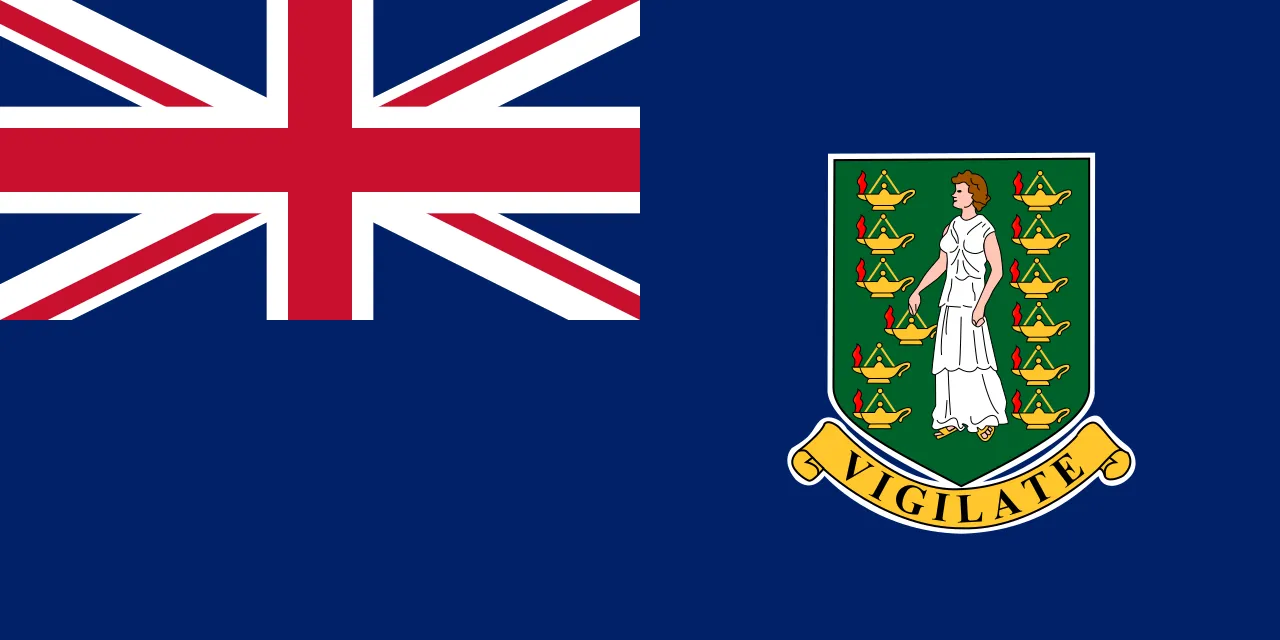
Company Incorporation in BVI (Virgin Islands)
Binderr
Corporate tax
0% for most
Capital gain tax
0%
Incorporation time
2–5 working days
Cost
Starting from €1,899
BVI Holding Company Benefits for Chinese Tech Startups
The BVI holding company benefits for Chinese tech startups come down to flexibility, familiarity and neutrality. Investors, lawyers and exchanges in Hong Kong, Singapore and the US have worked with BVI companies for decades.
Benefit | What it means for a startup |
|---|---|
Investors know BVI law | Term sheets, share classes and investor rights are standard |
Flexible shares | Preference shares, different classes and no minimum capital |
Easy to transfer and pledge | Investors and lenders take BVI shares as security |
No tax in the islands | No tax on dividends from the operating companies or on gains |
Chinese name allowed | A Chinese name can be registered alongside the English one |
Fast and remote setup | Formed in days, with no visit to the BVI |
Clear courts | English-based law, a Commercial Court and appeals to the Privy Council |
Investor Familiarity
A venture fund in Hong Kong, Singapore or the US can invest in a BVI company using documents its lawyers have used many times. The rights investors expect, such as preference shares, anti-dilution, board seats and drag-along, fit easily into BVI articles. That saves time and legal cost in each round.
Share Classes for Venture Capital
The BVI Business Companies Act lets the company issue shares in different classes, with or without a par value and in any currency, as its memorandum allows. Preference shares for investors, ordinary shares for founders and a pool for employee options can all sit in one company.
Set Up Your Startup's Holding Company
A BVI company is simple to set up when the share structure is agreed first. This is what we handle for you.
- From €1,899: Formation through a licensed registered agent.
- Share classes set: Founder, investor and option pool structure agreed.
- Chinese name added: Alongside the English name, if you want one.
- KYC pack prepared: One clean file for every founder and investor.
- Registers filed: Members and beneficial owners within 30 days.
- Banking with our partners: An account for the funding, opened online.
Tax Neutral at the Top
The BVI charges no tax on a holding company's dividends, interest or gains, and no withholding tax on payments to its shareholders. Money raised from investors and profits from the operating companies can move through the holding company without an extra layer of tax in the islands. Tax still applies in China, Hong Kong and wherever the founders live.
A Chinese Name on the Company
A BVI company can register an additional foreign character name, such as a Chinese name, approved by the Registrar. It must show both names on its documents, and the seal must carry the English name. Read how to check and reserve a BVI company name.
How a Typical Offshore Structure Looks
Every startup's structure is different, but most offshore structures for Chinese tech companies follow a similar pattern. A BVI company can appear at more than one level.
Level | Usually | Purpose |
|---|---|---|
Founders' personal holding companies | One BVI company for each founder | Hold each founder's shares in the main company |
Main holding or listing company | A Cayman or BVI company | Issues shares to investors, later lists |
Intermediate holding company | A BVI company | Holds the next level, keeps flexibility for restructuring |
Hong Kong company | A Hong Kong private company | Holds the Chinese subsidiary |
Chinese subsidiary | A wholly foreign-owned enterprise | Runs or controls the business in China |
Operating company, in restricted sectors | A domestic Chinese company linked by contract | Holds the licences foreign-owned companies cannot hold |
Why Founders Use Personal BVI Companies
Founders often hold their shares through their own BVI company rather than personally. It keeps the cap table clean, lets a founder pledge or transfer shares through one company and separates the founder's personal planning from the startup.
Cayman or BVI at the Top
Many venture investors prefer a Cayman company as the main company when a US or Hong Kong listing is planned, with BVI companies below it and above it for the founders. Others are happy with a BVI company at the top, especially for earlier-stage startups and private funding. Read about BVI vs the Cayman Islands for offshore companies.
Where the Contract Structure Fits
In sectors where China limits foreign ownership, the Chinese subsidiary may control a domestic operating company through contracts rather than shares, a structure known as a variable interest entity. It is legally complex and needs specialist PRC advice. The BVI company is the same whether or not the structure uses one.
Company Incorporation in BVI (Virgin Islands)
Binderr
Corporate tax
0% for most
Capital gain tax
0%
Incorporation time
2–5 working days
Cost
Starting from €1,899
International Funding With a BVI Holding Company
A BVI company at the top makes each funding round simpler, because the investors take shares in a company whose law and documents they already know.
Seed and Early Rounds
Early investors often subscribe for preference shares or invest through convertible notes that turn into shares later. The BVI company issues the shares by resolution and updates its register of members, which is filed with the Registry within 30 days of each change.
Later Rounds and Investor Rights
Later investors usually ask for board seats, information rights, consent rights and protections on a sale. These go into the articles and a shareholders' agreement. Amended articles are filed with the Registry, at US$50 if filed within 30 days of the resolution.
Board Meetings and Decisions
Investors usually take board seats after a priced round. Board meetings of a BVI company can be held anywhere, by video or in person, and decisions can be made by written resolution. Where the board actually meets matters for tax residence, so keep minutes that show where decisions were taken, and avoid holding every meeting in mainland China if the company is meant to be resident elsewhere.
Employee Share Options
An option pool lets the startup reward staff with shares in the holding company. For employees in China, SAFE rules allow registration of option plans of non-listed offshore companies, so the PRC side should be planned with the plan rules.
Listing
A BVI or Cayman holding company can list in Hong Kong or the US. Since 31 March 2023, a company whose business is mainly in mainland China must file with the China Securities Regulatory Commission within three working days of submitting its listing application abroad.
Chinese Rules to Plan For
The BVI side is simple. The rules in China decide the timing and the paperwork, and they need a PRC lawyer.
SAFE Circular 37
Under SAFE Circular 37, issued on 14 July 2014, a PRC resident must register with the foreign exchange authority before contributing assets or interests to an offshore special purpose company, such as a BVI company. Changes such as a capital increase, a share transfer or a merger need an amended registration. Missing registration can lead to penalties and problems moving money in and out of China.
CSRC Filing for Overseas Listings
The CSRC's Trial Measures took effect on 31 March 2023. An issuer is treated as a domestic company listing indirectly if 50% or more of its revenue, profit, total assets or net assets come from mainland China and its main business or senior management is there. It must file within three working days of applying abroad, and penalties reach RMB 10 million.
Foreign Investment Limits
China's negative list restricts or prohibits foreign investment in some sectors. A startup in a restricted sector cannot simply own its operating company through the BVI structure, which is why contract structures are used. Check the current list for your sector before you design the structure. The list is updated from time to time, so a structure that was needed a few years ago may not be needed for a new company today.
Tax at Home
A company formed abroad but managed from mainland China can be treated as a Chinese resident enterprise, taxed at 25% on its worldwide income. China's individual income tax law also has anti-avoidance rules that can reach profits kept offshore without a business reason. Plan where the board meets and take PRC tax advice.
Your Holding Company, Set Up From China
You can set up the BVI side from Beijing, Shanghai, Shenzhen or Hong Kong without visiting the BVI. This is how we work.
- Fully remote setup: Documents certified where you live.
- PRC counsel coordinated: BVI documents ready for your SAFE filing.
- Licensed registered agent: The office and filings the law requires.
- Share structure built: Founder, investor and option classes.
- Yearly filings tracked: Fee, annual return and substance report.
- Clear pricing: From €1,899, with year two quoted upfront.
Founders Outside Mainland China
Not every Chinese tech founder lives in mainland China. Founders based in Hong Kong, Singapore, the US or elsewhere often build the same structures, with fewer PRC steps.
Who SAFE Registration Covers
SAFE Circular 37 applies to PRC domestic residents. A founder who is not one, such as many Hong Kong or Singapore residents, follows the rules of the place where they live instead. Co-founders who are PRC residents still register their own holdings.
Keeping the Cap Table Clean
The register of members is the legal record of who owns the company's shares, and it is filed with the Registry within 30 days of every change. Investors ask for a certified copy at each round and at exit, so keep it, the share certificates and the option records consistent from day one. A clean cap table is one of the first things a buyer's or an underwriter's lawyers check.
Founder Vesting and Leavers
Investors often ask founders to accept vesting on their shares, so that a founder who leaves early does not keep a full stake. In a BVI structure, this is usually written into the shareholders' agreement and the articles, with the company or the other shareholders able to buy back unvested shares. Agree it before the first round, when it is easiest to discuss and before any investor sets the terms.
BVI Holding Company vs Cayman and Hong Kong
The three most common holding locations for Chinese startups each have a place. The table compares them.
Point | BVI | Cayman Islands | Hong Kong |
|---|---|---|---|
Company tax | 0% | 0% | 8.25% to 16.5% on Hong Kong-sourced profits |
Typical role | Founder holding companies, intermediate holding, early-stage top company | Main company for a planned listing | Holding the Chinese subsidiary |
Cost to form and run | Lowest | Higher | Moderate |
Investor preference | Accepted widely | Often preferred by US-focused funds | Used below the top company |
Listing venue | Hong Kong and others | Hong Kong, US and others | Hong Kong |
BVI vs Cayman
A BVI holding company is cheaper and faster to form and run, which suits founders' companies and early-stage startups. A Cayman company is often preferred by funds for the main company before a US listing, because its law and listing record are standard for that route. Many structures use both.
BVI vs Hong Kong
A Hong Kong company is usually the direct owner of the Chinese subsidiary, and it is formed and run under Hong Kong law, because it can benefit from the tax arrangement between Hong Kong and mainland China on dividends where it meets the conditions. A BVI company sits above it, holding the Hong Kong company and giving investors a neutral company to invest in.
Economic Substance for a Startup Holding Company
A BVI company that only holds shares and earns dividends and gains is a pure equity holding company for economic substance purposes. It meets a reduced test: current filings, and adequate people and premises in the BVI for holding its shares, which the registered agent usually provides.
A holding company that lends to its subsidiaries, manages the group or owns the startup's IP can face the full test for that activity. Keep the IP and the group lending in the right companies. Read about BVI economic substance requirements for holding companies.
How We Set Up a BVI Holding Company for a Startup
Agree the Structure
One call with the founders, and with their PRC lawyers where needed, to agree the levels, the share classes and where the board will meet.
Build the KYC Pack
We collect passports, proofs of address and the source of funds for each founder, check them and send one complete file to the agent.
File and Incorporate
We check the English and Chinese names and prepare the memorandum and articles with the agreed share classes. The agent files them through VIRRGIN, and the company is usually formed within 2 to 5 working days.
File the Registers and Open the Account
The registers and beneficial ownership information are filed within 30 days, and our banking partners open the account for the funding round.
Full-Service Holding Company Setup
We take your startup from the first call to a funded account. You deal with one team.
- Structure agreed: Levels, share classes and board location.
- Names checked: English and Chinese names searched.
- Licensed agent filing: Through VIRRGIN, Registry fee included.
- Registers on time: Members and beneficial owners within 30 days.
- Investor-ready documents: Certificate, constitution and registers.
- Account opened: With our banking partners, online.
Documents You Need
The agent needs these documents for each director, shareholder and beneficial owner.
- Passport: A certified copy. Chinese founders often add their resident identity card, and Hong Kong founders their Hong Kong identity card.
- Proof of address: A recent utility bill or bank statement, with a translation if needed.
- Source of funds: Where the founders' capital comes from, with proof.
- Business description: What the startup does and where.
- Corporate shareholders: Certificates, registers and an ownership chart.
- Investor details: For investors subscribing at formation.
Documents in Chinese need a certified English translation. Ask the agent which certifiers it accepts in mainland China and Hong Kong before you book one.
What It Costs
Cost item | Typical amount | What it covers |
|---|---|---|
BVI company formation with Binderr | From €1,899 | Licensed agent filing, KYC review, constitution, Registry fee and first-year office |
Register filings | US$50 and US$125 | Members and beneficial ownership within 30 days |
Chinese name | US$100 in Registry fees | Application and registration |
Amended articles for a funding round | US$50 Registry fee, plus legal fees | Filed within 30 days of the resolution |
Yearly costs | About US$1,800 to US$4,000 for a simple company | Annual fee, agent, filings and a light account |
PRC legal work | Quoted by your PRC lawyers | SAFE registration, structure and listing filings |
Costs by Stage
- Founder holding company: Formation and yearly filings only.
- Startup holding company before funding: Add the share class work.
- Funded startup: Add amended articles and register changes each round.
- Pre-listing group: Several companies, with legal and audit costs.
Read the full breakdown of how much a BVI company costs.
Company Incorporation in BVI (Virgin Islands)
Binderr
Corporate tax
0% for most
Capital gain tax
0%
Incorporation time
2–5 working days
Cost
Starting from €1,899
How Long It Takes
Stage | Typical time |
|---|---|
Structure call and quote | 1 to 2 days |
KYC pack and certified translations | 3 to 10 days |
Agent review and BVI filing | 2 to 5 working days |
Chinese name registration | A few days |
Register filings | Within 30 days |
SAFE registration in China | Set by your PRC lawyers, before assets are contributed |
BVI Holding Company Formation From €1,899
A clean holding company, ready for your first investors. This is what the price includes.
- Licensed agent filing: Through VIRRGIN, with the Registry fee included.
- KYC review: One file for every founder.
- Constitution drafted: With your share classes.
- First-year office: Registered agent and office included.
- Running costs shown: Year two quoted with the setup.
Banking a BVI Holding Company for a Startup
A startup's BVI company needs an account to receive investment and move money to the operating companies. Banks ask for the structure chart, the investors' details and the source of funds, and the BVI grey listing since June 2025 has added questions.
Hong Kong Banks
Hong Kong banks take BVI holding companies with Chinese founders, but they review the whole structure and usually want a Hong Kong link. Expect questions about the investors, the cap table and the Chinese subsidiary's business licence, and an interview with the founders.
A Faster Route Through Our Banking Partners
Our banking partners are licensed electronic money institutions that open multi-currency accounts for BVI companies owned from abroad, usually within days of a complete file. Funding rounds land faster when the account is open before the term sheet is signed. Read about BVI offshore banking for companies.

Equals Money
Business Bank Account
Time to onboard
2 Days
Account opening fee
Free
Monthly fee
€30

3S Money
Cross-border payments
Time to onboard
4 Days
Account opening fee
Free
Monthly fee
Starting from € 100
When a BVI Holding Company Is the Wrong Choice
- Your investors insist on Cayman: Use Cayman at the top, BVI below.
- The business will only ever raise in China: A domestic structure may be simpler.
- The founders skip SAFE registration: Fix the PRC side first.
- The company will be run from China: It may be a Chinese tax resident.
- The IP will sit in the BVI company: The strictest substance rules apply.
Common Mistakes With a Startup Holding Company
- Contributing assets before SAFE registration: The registration must come first.
- One class of shares for everyone: Investors will want preference shares.
- Missing register changes after a round: They must be filed within 30 days.
- Holding IP in the holding company without a plan: Substance rules apply.
- Opening the bank account last: The funding round waits for it.
Talk to Us About Your Startup Structure
Planning a funding round or a listing? Tell us where the founders live and where the business runs.
- Structure mapped: Founder, holding and operating levels.
- BVI side prepared: Companies, share classes and registers.
- PRC counsel coordinated: Documents ready for their filings.
- Banking planned: The account open before the round.
- Clear pricing: Every fee in writing, from €1,899.
Bottom Line
The BVI holding company benefits for Chinese tech startups are investor familiarity, flexible share classes, easy transfer and pledge of shares, no tax in the islands and a fast, remote setup, with a Chinese name if needed. BVI companies sit at several levels of most offshore structures, often below a Cayman listing company and above a Hong Kong company.
The Chinese rules decide the timing: SAFE Circular 37 registration before assets go in, the CSRC filing for overseas listings and the limits on foreign investment in some sectors. We form BVI holding companies from €1,899 through licensed agents and work alongside your PRC lawyers. Read how to set up a BVI holding company.
What are the BVI holding company benefits for Chinese tech startups?
How does a BVI holding company help with international funding?
Do Chinese founders need SAFE registration for a BVI company?
Should a Chinese startup use a BVI or a Cayman company?
What is a typical offshore structure for a Chinese tech startup?
What CSRC rules apply to overseas listings?
Is a BVI holding company taxed in China?
Can a BVI holding company list in Hong Kong?
Can a BVI company have a Chinese name?
Does a startup's BVI holding company need economic substance?
How much does it cost to set up a BVI holding company for a startup?
Can foreign investors invest directly in a Chinese startup instead?
How long does it take to set up a BVI company for a Chinese startup?
Sources
- SAFE Circular 37, Jones Day summary
- CSRC, Trial Administrative Measures of Overseas Securities Offering and Listing by Domestic Companies
- Mayer Brown, overseas offering and listing rules for PRC companies
- BVI Business Companies Act and Regulations compendium, Conyers, January 2026
- Maples Group, BVI economic substance requirements for holding business
- FATF, jurisdictions under increased monitoring, June 2026