-1400x800.jpg?w=3840&q=75)
High-value property transactions often hide complex ownership structures that are not visible at first glance. Real estate firms face growing pressure to verify corporate buyers, sellers, and investors beyond surface-level company details. KYB for real estate enables firms to uncover Ultimate Beneficial Owners, validate business entities, and detect risks linked to offshore companies, nominee directors, and layered ownership before a deal moves forward.
The real estate sector remains a key target for financial crime. According to FATF, property transactions are frequently used to launder illicit funds due to their high value and ability to obscure ownership. Real estate KYB processes help firms strengthen AML compliance by combining business verification real estate workflows, sanctions screening, PEP checks, and adverse media analysis into a structured workflow that supports faster and safer decision-making.
Modern property transactions involve corporate entities, investment vehicles, and cross-border structures that demand deeper scrutiny. In this guide, we will explore how KYB works in real estate, the key checks involved, common risk indicators, and how firms can implement effective verification processes to stay compliant and protect their transactions using kyb real estate strategies.
Binderr KYB Software for Real Estate Compliance
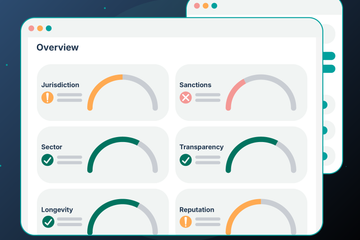
Binderr provides a complete KYB solution designed for real estate firms handling corporate clients and high-value transactions:
- Global company verification across 200+ countries
- UBO identification and ownership structure mapping
- Integrated AML screening (sanctions, PEPs, watchlists, adverse media)
- Dynamic risk scoring for CDD and EDD
- Real-time monitoring and alerts
- Centralised audit-ready compliance records
What Is KYB in Real Estate?
KYB, or Know Your Business, in real estate refers to the process of verifying a legal entity before entering into a property transaction or business relationship. It ensures that corporate buyers, sellers, and investors are legitimate and transparent. Through KYB, real estate firms confirm company registration details, legal status, jurisdiction, and operational legitimacy while also reviewing directors, shareholders, and ownership structures. A key component is identifying Ultimate Beneficial Owners (UBOs), which helps uncover the real individuals behind complex corporate entities.
In addition, KYB involves AML screening processes such as sanctions checks, PEP screening, watchlist monitoring, and adverse media analysis to detect potential financial crime risks. It also evaluates transaction risk based on factors like geographic exposure, ownership complexity, source of funds, and deal value. In real estate, KYB applies broadly to corporate landlords, tenants, developers, SPVs, investment firms, family offices, and property-holding companies, making kyb real estate and business verification real estate essential for compliance, fraud prevention, and secure property transactions.
Screen users for FREE in seconds with Binderr
Why KYB Matters for Real Estate and Property Transactions
Real estate transactions often involve high-value assets, complex ownership structures, and cross-border entities, making them particularly vulnerable to financial crime. KYB for real estate helps firms verify corporate clients, uncover beneficial ownership, and assess risk before entering into property deals.
By applying business verification real estate practices, AML compliance checks, and UBO identification, real estate professionals can reduce exposure to fraud, money laundering, and regulatory penalties while ensuring safer property transactions.
Identifies hidden ownership behind corporate buyers and sellers - KYB helps uncover the ultimate beneficial owners (UBOs) behind corporate buyers and sellers in real estate transactions. By mapping ownership structures and verifying shareholders and directors, firms can see who truly controls the entity, reducing the risk of hidden interests or undisclosed parties.
Reduces risk of dealing with shell or offshore companies - Through business verification real estate and ownership checks, KYB enables real estate firms to identify shell companies and offshore entities that may lack legitimate business activity. This reduces exposure to high-risk clients and helps prevent involvement in fraudulent or illicit property transactions.
Supports compliance with AML and regulatory requirements - KYB processes align with AML compliance obligations by ensuring proper customer due diligence (CDD) and enhanced due diligence (EDD) are carried out. Real estate firms can meet regulatory expectations by verifying company details, screening for sanctions and PEPs, and maintaining audit-ready records.
Detects suspicious transaction patterns early - By combining company verification with risk scoring and monitoring, KYB helps detect unusual transaction patterns such as rapid ownership changes, complex structures, or unexplained funding sources. Early detection allows firms to investigate and mitigate risks before deals progress.
Improves transparency in high-value property deals - KYB increases transparency by providing clear visibility into company structures, ownership layers, and financial backgrounds. This is especially important in high-value property transactions where large sums and multiple entities are involved.
Strengthens trust with partners, regulators, and clients - Implementing kyb real estate demonstrates a commitment to compliance and risk management, which builds trust with regulators, financial institutions, and business partners. It also reassures clients that transactions are handled securely and in line with industry standards.
Automate KYB and AML for FREE with Binderr
What KYB Checks Are Needed for Property Transactions?
Understanding the key KYB checks is essential for ensuring compliance and reducing risk in real estate deals.
These checks help verify corporate entities, uncover beneficial ownership, and support AML compliance in property transactions using business verification real estate frameworks.
Verify Company Registration and Legal Status
Verifying company registration and legal status is the foundation of KYB for real estate and property transactions. This step ensures that the business entity involved in the deal is legitimate, active, and compliant with regulatory requirements. It helps prevent fraud, reduces AML risk, and confirms that the company is legally authorized to engage in property transactions.
Verify:
- Legal name – Confirm the official registered name matches documentation and transaction records
- Registration number – Validate the unique identifier issued by the company registry
- Incorporation date – Check how long the company has been active to assess credibility
- Registered address – Ensure the address is valid and not linked to shell company activity
- Company status – Confirm whether the entity is active, dissolved, or under liquidation
- Jurisdiction – Identify the country of incorporation to assess regulatory and AML risk
- Business activity – Review declared activities to ensure alignment with the property transaction
- Entity type – Determine whether it is an LLC, corporation, partnership, or trust structure
Validate Directors and Shareholders
Validating directors and shareholders is essential in business verification real estate, as these individuals often control decision-making and financial flows. This step helps uncover hidden risks, nominee arrangements, and potential links to financial crime or sanctions exposure.
Check:
- Current directors – Identify individuals currently managing the company
- Past directors where relevant – Review historical leadership for suspicious patterns
- Shareholders – Confirm ownership stakes and distribution of shares
- Nominee arrangements – Detect if individuals are acting on behalf of undisclosed parties
- Corporate shareholders – Identify if other companies hold shares and require further KYB checks
- Board control – Understand who has decision-making authority within the entity
- Signatory authority – Verify who is authorized to sign contracts and execute transactions
Identify Ultimate Beneficial Owners (UBOs)
Identifying Ultimate Beneficial Owners (UBOs) is a critical component of KYB for real estate AML compliance. Property transactions often involve layered ownership structures, offshore entities, and trusts, making it essential to uncover the natural persons who ultimately own or control the company.
Check:
- Direct ownership – Identify individuals with direct shareholding in the company
- Indirect ownership – Trace ownership through parent companies or subsidiaries
- Ownership percentages – Determine if individuals meet UBO thresholds (e.g., 25% or more)
- Control through voting rights – Assess influence beyond shareholding percentages
- Control through trusts or nominee arrangements – Identify hidden control mechanisms
- Senior managing officials if no natural person meets the ownership threshold – Assign accountability when ownership is unclear
These KYB steps help real estate firms strengthen AML compliance, reduce fraud risk, and ensure transparency in property transactions through effective kyb real estate implementation.
Conduct Sanctions, PEP, and Watchlist Screening
Sanctions screening, PEP screening, and watchlist checks are critical components of KYB for real estate and property transactions, as they help identify whether a company or its associated individuals are linked to financial crime, corruption, or regulatory risks. This step ensures compliance with AML regulations and supports business verification real estate processes.
Screen:
- Company name – Verify against global sanctions lists to detect restricted or blacklisted entities
- Directors – Check for individuals with sanctions exposure or political influence
- Shareholders – Identify any high-risk or restricted ownership interests
- UBOs – Ensure ultimate beneficial owners are not linked to sanctions or corruption risks
- Authorized representatives – Validate individuals acting on behalf of the company
- Related entities – Screen subsidiaries, affiliates, and connected businesses
- Parent companies – Assess risk at the top level of ownership structures
By conducting thorough sanctions and PEP screening, real estate firms can reduce exposure to high-risk clients and maintain strong AML compliance standards.
Perform Adverse Media Checks
Adverse media screening helps uncover negative news, reputational risks, and potential involvement in financial crime that may not appear in official sanctions or watchlists. This step strengthens KYB by providing deeper insight into the background of companies and their associated individuals.
Look for:
- Fraud allegations – Reports of financial deception or misrepresentation
- Corruption exposure – Links to bribery, misuse of power, or unethical practices
- Tax evasion reports – Evidence of avoiding tax obligations
- Money laundering investigations – Involvement in illicit financial activities
- Organized crime links – Associations with criminal networks
- Regulatory enforcement – Fines, penalties, or legal actions by authorities
- Bankruptcy or insolvency issues – Financial instability or risk indicators
- Litigation involving the entity or UBOs – Ongoing or past legal disputes
Adverse media checks provide a broader risk perspective, helping real estate firms make informed decisions before proceeding with property transactions.
Assess Source of Funds and Source of Wealth
Assessing source of funds (SoF) and source of wealth (SoW) is essential in KYB for real estate, as it ensures that the money used in property transactions is legitimate and aligns with the client’s financial profile. This step connects entity verification with financial risk indicators and supports AML compliance.
Review:
- Purchase funds – Confirm the origin of money used for the property transaction
- Loan arrangements – Evaluate financing sources and lending institutions
- Private financing – Assess non-traditional funding sources
- Crypto-derived wealth – Verify legitimacy of digital asset-based funds
- Offshore funding – Identify risks linked to foreign or high-risk jurisdictions
- Complex investment structures – Analyze layered or opaque financial arrangements
- Third-party payments – Detect involvement of unrelated payers
- Unusual urgency or overpayment – Identify suspicious transaction behavior
By thoroughly assessing source of funds and wealth, real estate firms can detect suspicious financial patterns and prevent money laundering risks in property transactions.
Simplify KYB for Property Transactions with Binderr
Binderr automates the entire KYB workflow:
- Instantly verify companies from global registries
- Automatically map ownership structures
- Identify UBOs across jurisdictions
- Run AML screening in one workflow
- Assign dynamic risk scores
- Trigger EDD for high-risk clients
How KYB Supports AML Compliance for Real Estate Firms
KYB plays a critical role in helping real estate firms meet AML compliance requirements by verifying corporate clients and uncovering hidden risks.
It strengthens customer due diligence, beneficial ownership checks, sanctions screening, and ongoing monitoring across property transactions.
Strengthening Customer Due Diligence (CDD)
KYB plays a critical role in strengthening Customer Due Diligence (CDD) for real estate and property transactions by ensuring that every corporate client is properly verified before a deal progresses. Instead of relying on basic company details or manual document checks, KYB enables firms to validate legal entity information, confirm registration status, and assess business legitimacy in real time.
This includes verifying company names, registration numbers, jurisdictions, and operational status through trusted data sources. By integrating KYB into CDD workflows, real estate professionals can build a more accurate risk profile for each client, reduce onboarding friction, and ensure compliance with AML regulations while maintaining efficiency in high-value property deals.
Enabling Enhanced Due Diligence (EDD) for High-Risk Clients
For high-risk clients, KYB enables Enhanced Due Diligence (EDD) by providing deeper insights into complex ownership structures, offshore entities, and high-risk jurisdictions. Real estate firms can go beyond standard checks to investigate layered corporate structures, identify hidden relationships, and analyze the source of funds and wealth.
KYB tools support detailed risk scoring, allowing compliance teams to flag suspicious patterns such as shell companies, nominee shareholders, or unusual transaction behavior. This ensures that high-value property transactions involving politically exposed persons (PEPs), sanctioned entities, or cross-border investors are subject to stricter scrutiny, reducing exposure to financial crime and regulatory penalties.
Improving Beneficial Ownership Transparency
One of the most important aspects of KYB in real estate is improving beneficial ownership transparency. Property transactions often involve special purpose vehicles (SPVs), trusts, or offshore companies designed to obscure the true owner. KYB helps uncover Ultimate Beneficial Owners (UBOs) by mapping ownership structures across multiple layers and jurisdictions.
This transparency is essential for identifying individuals who ultimately control or benefit from a property transaction. By revealing hidden ownership, real estate firms can prevent misuse of corporate entities for money laundering, tax evasion, or sanctions evasion, while aligning with global AML standards and beneficial ownership regulations.
Supporting Sanctions and PEP Screening
KYB strengthens sanctions screening and PEP screening by ensuring that all relevant parties in a property transaction are checked against global watchlists. This includes not only the company itself but also directors, shareholders, UBOs, and associated entities.
Automated KYB systems can screen against international sanctions lists, politically exposed persons databases, and adverse media sources in real time. This helps real estate firms identify high-risk individuals or entities linked to corruption, financial crime, or regulatory violations. By integrating sanctions and PEP screening into KYB workflows, firms can mitigate compliance risks and avoid engaging in transactions that could lead to legal or reputational damage.
Enhancing Ongoing Monitoring and Risk Detection
KYB is not a one-time process; it supports ongoing monitoring and continuous risk detection throughout the lifecycle of a real estate relationship. Property ownership structures, company directors, and risk profiles can change over time, especially in long-term investments or property management scenarios.
KYB solutions provide real-time alerts for changes in ownership, sanctions status, adverse media exposure, or regulatory updates. This allows real estate firms to proactively respond to emerging risks, reassess client profiles, and maintain compliance with AML obligations. Continuous monitoring ensures that firms stay ahead of potential threats and maintain a dynamic, risk-based approach to compliance.
Creating Audit-Ready Compliance Records
KYB helps real estate firms create audit-ready compliance records by centralizing all verification data, screening results, and risk assessments in one system. Every step of the due diligence process, from company verification to UBO identification and sanctions screening, is documented and easily accessible. This creates a clear audit trail that can be presented to regulators, auditors, or internal compliance teams.
Automated recordkeeping reduces the risk of missing documentation, improves transparency, and ensures that firms can demonstrate compliance with AML regulations at any time. In a highly regulated sector like real estate, having structured, audit-ready records is essential for avoiding penalties and maintaining trust with stakeholders.
Detect Hidden Risks with Advanced KYB Binderr Tool
Binderr helps uncover risks that manual checks miss:
- Ownership structure visualisation
- UBO discovery across layered entities
- AI-powered adverse media screening
- Smart AML matching to reduce false positives
- Continuous monitoring for ownership and risk changes
When Should Real Estate Firms Perform KYB?
Timing is critical when it comes to KYB for real estate and property transactions. Performing business verification at the right stages helps firms reduce exposure to financial crime, ensure AML compliance, and avoid costly delays or regulatory penalties. Rather than treating KYB as a one-time task, real estate professionals should adopt a continuous, risk-based approach that aligns with Customer Due Diligence (CDD) and Enhanced Due Diligence (EDD) requirements.
Below are key checkpoints where KYB should be performed or refreshed:
Before onboarding a corporate client - At the very start of the relationship, real estate firms should verify the legal entity, confirm company registration details, and identify Ultimate Beneficial Owners (UBOs). This ensures that the business is legitimate and not a shell company or high-risk entity.
Before accepting an offer from a legal entity - When a corporate buyer or investor submits an offer, KYB checks help validate the source of funds, ownership structure, and risk profile. This is especially important in high-value or cross-border property transactions.
Before signing an agency agreement - Entering into a formal agreement with a company requires full KYB verification, including sanctions screening, PEP checks, and adverse media analysis. This step ensures compliance with AML regulations and protects the firm from onboarding risky clients.
Before exchanging contracts - At this stage, firms should re-confirm that there have been no changes in ownership, directors, or risk indicators. Updated KYB checks help detect last-minute attempts to obscure beneficial ownership or introduce new risks.
Before completing a transaction - Final KYB verification ensures that all parties remain compliant and that no new sanctions, adverse media, or suspicious activity has emerged. This is a critical checkpoint for preventing property fraud and money laundering.
When ownership structure changes - Any change in shareholders, directors, or corporate hierarchy should trigger a KYB refresh. Updated UBO verification is essential to maintain transparency and compliance.
When a transaction value increases unexpectedly - A sudden increase in deal value may indicate potential risk, such as layering or illicit fund integration. Enhanced Due Diligence (EDD) should be applied in such cases.
When a new director, shareholder, or UBO appears - New individuals connected to the entity must be screened for sanctions, PEP status, and adverse media. This helps identify hidden risks and maintain a clear ownership picture.
When sanctions or adverse media alerts are triggered - Real-time monitoring tools should flag any changes in risk status. Immediate KYB reassessment ensures that firms can respond quickly to emerging threats.
During ongoing monitoring for long-term property management relationships - For long-term clients such as landlords, developers, or corporate tenants, KYB should not be static. Continuous monitoring helps detect changes in ownership, financial behavior, or regulatory risk over time.
By embedding KYB checks at these critical stages, real estate firms can strengthen AML compliance, improve risk management, and build trust in every property transaction.
All-in-one AML & KYB screening. No contracts needed.
Common KYB Red Flags in Real Estate Transactions
Understanding common KYB red flags in real estate transactions helps firms detect potential risks early and strengthen AML compliance using kyb real estate and business verification real estate insights.
Newly Formed Companies Making High-Value Purchases
A newly incorporated company engaging in a high-value property transaction can be a significant red flag in real estate KYB. These entities often lack a verifiable financial history, operational track record, or clear business purpose, making it difficult to assess their legitimacy. Criminal actors may use freshly registered companies or special purpose vehicles (SPVs) to obscure the origin of funds and quickly move illicit capital into real estate assets. Real estate firms should apply enhanced due diligence (EDD), verify the source of funds and source of wealth, and closely examine the company’s ownership structure and Ultimate Beneficial Owners (UBOs) before proceeding.
Complex Ownership Structures with No Clear Purpose
Layered corporate structures involving multiple jurisdictions, holding companies, trusts, and nominee shareholders can indicate an attempt to conceal beneficial ownership. When there is no clear commercial rationale for such complexity, it raises concerns about potential money laundering, tax evasion, or sanctions evasion. KYB processes should focus on mapping the full ownership chain, identifying controlling interests, and ensuring transparency. Automated business verification tools can help uncover hidden relationships and provide a clearer picture of risk exposure.
Use of Offshore Entities in Property Deals
Offshore companies are commonly used in legitimate international investments, but they also present elevated AML risks when used in property transactions. Jurisdictions with limited transparency or weak regulatory oversight can make it difficult to identify UBOs and verify company details. Real estate firms should conduct thorough sanctions screening, PEP checks, and adverse media analysis when dealing with offshore entities. Understanding the jurisdictional risk and ensuring compliance with global AML regulations is essential to prevent financial crime.
Unexplained Third-Party Payments or Funding Sources
Payments originating from unrelated third parties or unclear funding arrangements can signal suspicious activity. In real estate transactions, funds should typically come directly from the verified buyer or their disclosed financing sources. When payments are routed through intermediaries, shell companies, or unknown accounts, it becomes critical to investigate the source of funds. KYB and AML screening processes should include transaction monitoring, verification of financial flows, and documentation of all funding sources to ensure transparency and compliance.
Frequent Changes in Directors or Shareholders
Rapid or repeated changes in a company’s directors or shareholders can indicate attempts to obscure control or distance individuals from a transaction. This behavior is often associated with nominee arrangements or efforts to avoid detection in sanctions or PEP screening. Real estate firms should monitor corporate changes over time, verify the identity of new directors and shareholders, and reassess risk levels whenever ownership shifts occur. Ongoing monitoring and automated alerts can help detect these changes early and support proactive compliance management.
End-to-End Compliance with Binderr
Binderr provides a unified compliance platform that covers:
- KYC (identity verification with AI and biometrics)
- KYB (business verification and ownership mapping)
- AML screening and monitoring
- Dynamic risk assessment
- CDD and EDD workflows
- Audit-ready reporting and compliance tools
Bottom Line
KYB is no longer optional in modern real estate transactions. As property deals grow more complex and regulatory expectations increase, firms must go beyond basic checks and adopt a structured, ongoing approach to business verification. By performing KYB at the right moments and maintaining continuous oversight, real estate professionals can uncover hidden ownership, detect emerging risks, and ensure full compliance with AML requirements.
Ultimately, effective KYB practices help protect firms from financial crime, reduce regulatory exposure, and create safer, more transparent property transactions for all parties involved. Binderr Compliance helps real estate teams streamline KYB, automate AML checks, and stay audit-ready with ease.