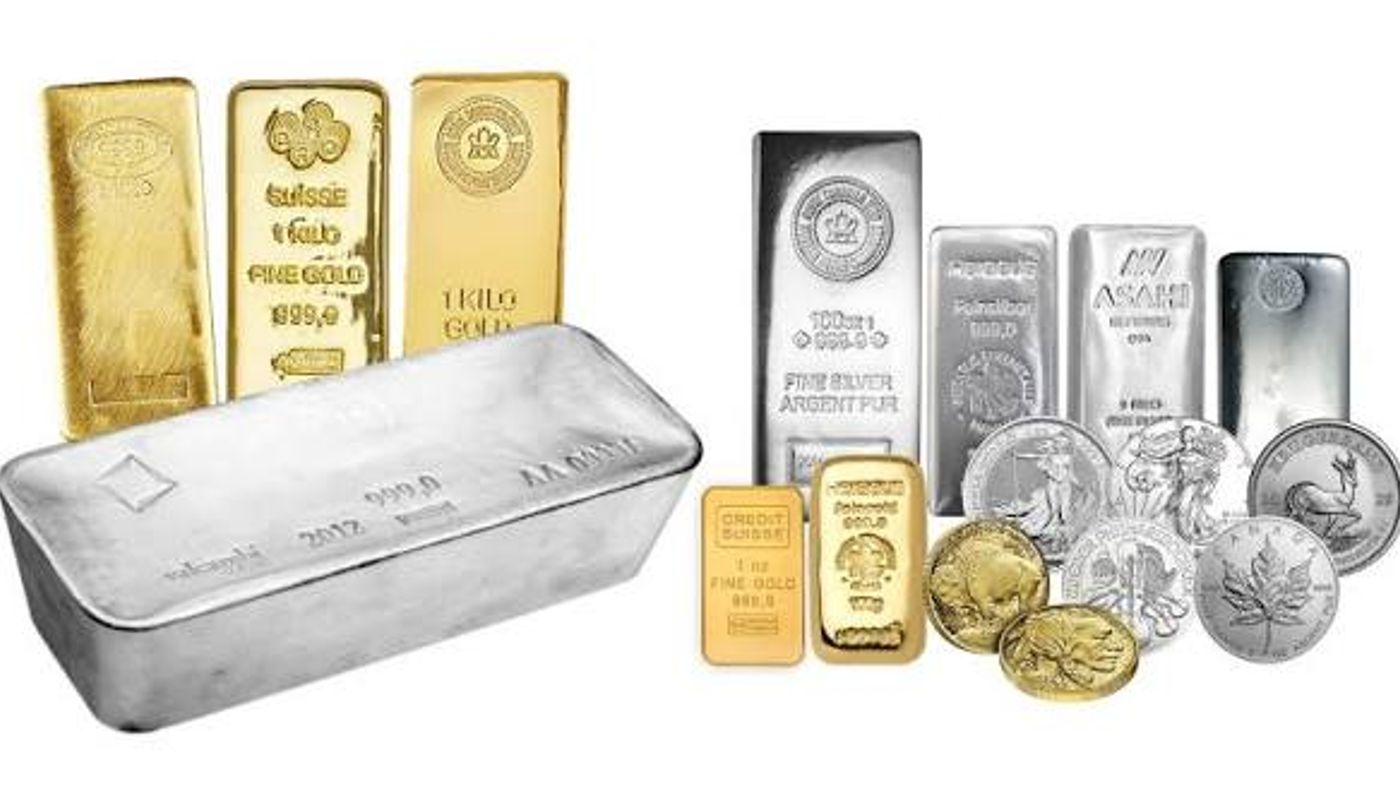
High-value artworks, precious metals, gemstones, and luxury goods attract more than wealthy buyers. Their significant value, portability, and resale potential make them vulnerable to money laundering. According to the UNODC's widely cited estimate, 2–5% of global GDP may be laundered annually, highlighting the scale of financial crime.
Anonymous buyers, third-party agents, offshore companies, and cross-border payments make identifying the real parties behind transactions difficult. For dealers, these risks increase the importance of kyc for high value dealers, while art dealer aml and precious metals kyc controls help uncover suspicious activities, verify ownership, and assess financial risks.
Effective KYC and KYB processes help dealers verify individuals, identify beneficial owners, and assess business relationships before completing high-value transactions. This guide explores regulatory requirements, customer and business verification steps, common AML red flags, and practical compliance strategies to help dealers reduce financial crime risks and strengthen compliance.
Binderr KYC & KYB Software for High-Value Goods Dealers
Managing compliance for art, jewellery, and precious metals transactions requires accurate identity verification, business checks, and financial crime risk assessments. Binderr brings these capabilities into one platform, helping dealers verify counterparties and simplify compliance workflows.
Key features:
- AI-Powered KYC: Verify buyer and seller identities with document authentication, biometric face matching, and liveness detection.
- Global KYB Verification: Validate corporate buyers, suppliers, and intermediaries using data sources across 200+ countries.
- UBO Identification: Identify beneficial owners and map complex ownership structures.
- AML Screening: Screen individuals and businesses against sanctions, PEP lists, watchlists, and adverse media.
- Dynamic Risk Assessment: Evaluate customer and business risk profiles using automated risk scoring.
- Ongoing Monitoring: Detect changes in risk exposure and receive automated compliance alerts.
What Are KYC and KYB for High-Value Goods Dealers?
KYC and KYB are essential verification processes that help art, jewellery, precious metals, and luxury goods dealers identify customers, verify businesses, and assess financial crime risks.
Here's how each supports compliance:
Know Your Customer (KYC)
KYC involves verifying the identities of individual buyers, sellers, collectors, suppliers, and authorised representatives. Effective KYC for high value dealers includes checking identity documents, confirming customer information, and assessing potential risks before completing transactions. These checks help prevent identity fraud, suspicious purchases, and money laundering.
Know Your Business (KYB)
KYB focuses on verifying corporate buyers, wholesalers, suppliers, dealers, and business intermediaries. It involves checking company registration details, legal status, directors, and business activities. For art dealer AML compliance, KYB helps identify potentially suspicious corporate transactions, verify legitimate business relationships, and reduce risks associated with shell companies.
One Platform for KYC, KYB and AML
Why Are High-Value Goods Dealers at Risk of Money Laundering?
High-value goods such as art, jewellery, and precious metals are vulnerable to money laundering due to their significant value, portability, and complex transactions. Effective KYC for high value dealers and art dealer AML controls help identify and manage these risks.
Here are the key factors that make high-value goods dealers vulnerable to financial crime:
High-Value and Easily Transferable Assets
Precious metals, gemstones, jewellery, and luxury watches can store substantial value in compact forms, making them easier to transport, trade, or resell. Criminals may exploit these characteristics to move illicit wealth across borders or convert funds into valuable assets. Effective precious metals KYC helps dealers identify customers and assess suspicious transactions.
Anonymous Buyers and Intermediaries
Private sales, third-party agents, and nominee arrangements can conceal the identities of actual buyers or sellers. Criminals may use intermediaries to distance themselves from transactions and avoid scrutiny. Strong KYC for high value dealers helps verify customer identities, understand business relationships, and identify potential financial crime risks.
Complex Ownership Structures
Offshore companies, trusts, and multi-layered corporate structures can make it difficult to identify who ultimately owns or controls high-value assets. These arrangements may conceal beneficial owners or obscure the origin of funds. KYB verification and beneficial ownership checks help dealers identify hidden relationships and assess corporate transaction risks.
Unusual Asset Valuation
Artworks, rare collectibles, and luxury goods often lack standardised market prices, making their valuations subjective. Criminals may exploit inflated prices, undervalued sales, or unusual resale transactions to disguise illicit fund movements. Effective art dealer AML controls help identify inconsistent valuations, suspicious trading patterns, and unexplained price differences.
Cross-Border Transactions and Payment Risks
International buyers, third-party payments, multiple funding sources, and large cash transactions can make tracing the origin of funds difficult. Criminals may exploit differences in regulatory requirements across jurisdictions to conceal suspicious activity. Risk-based due diligence, source of funds checks, and transaction monitoring help dealers identify and manage these risks.
Verify Identities with Confidence
How to Conduct KYC and KYB for High-Value Goods Dealers
Conducting KYC and KYB helps high-value goods dealers verify buyers, sellers, and businesses while identifying potential money laundering risks. A structured verification process supports regulatory compliance, strengthens due diligence, and improves transaction transparency.
Here are eight essential steps to conduct effective KYC and KYB verification:
Step 1: Identify the Buyer, Seller or Business
Start by collecting basic identification details, including the customer's name, address, contact information, and transaction purpose. Determine whether the counterparty is an individual, registered company, intermediary, or authorised representative.
Accurate identification forms the foundation of KYC for high value dealers, helping businesses understand who is involved in transactions and identify potential risks before proceeding.
Step 2: Verify Individual Identities Through KYC
Verify customers using government-issued documents such as passports, national IDs, or driving licences. Digital identity verification tools can support document authentication, facial matching, and liveness detection, particularly for remote transactions.
These checks help art, jewellery, and precious metals dealers detect identity fraud, prevent impersonation, and establish confidence in customer identities before completing high-value purchases.
Step 3: Verify Businesses Through KYB
Confirm the legitimacy of corporate buyers, suppliers, and intermediaries by checking company registration records, legal status, registered addresses, directors, and authorised representatives against reliable sources.
KYB verification strengthens art dealer AML compliance by helping identify suspicious corporate entities, detect inconsistencies in business information, and reduce exposure to fraudulent transactions.
Step 4: Identify Ultimate Beneficial Owners (UBOs)
Examine shareholder records, ownership structures, and corporate relationships to identify the individuals who ultimately own or control a business. Review complex ownership chains and verify relevant beneficial owners.
UBO identification is particularly important for corporate art purchases and precious metals KYC, as hidden ownership structures can conceal suspicious relationships and potential money laundering risks.
Step 5: Conduct AML, Sanctions and PEP Screening
Screen buyers, sellers, companies, and relevant beneficial owners against applicable sanctions lists, politically exposed person (PEP) data, and adverse media sources. Investigate potential matches to determine whether they represent genuine risks.
Effective screening helps dealers identify sanctions exposure, assess higher-risk relationships, and make informed decisions about accepting or continuing transactions.
Step 6: Assess Source of Funds and Transaction Purpose
Understand why the customer is purchasing or selling high-value goods and review the origin of transaction funds where appropriate. Supporting evidence may include bank statements, financial records, or documents explaining the source of funds.
Source of funds checks help identify payments inconsistent with a customer's financial profile, unexplained third-party transfers, and transactions that may involve illicit proceeds.
Step 7: Apply Enhanced Due Diligence for Higher-Risk Transactions
Apply enhanced due diligence (EDD) when required by the customer's risk profile or applicable regulations. This may involve additional identity checks, detailed ownership reviews, source of wealth verification, and closer examination of unusual transactions.
EDD helps dealers manage risks involving complex corporate structures, higher-risk jurisdictions, politically exposed persons, and suspicious payment arrangements while supporting stronger AML compliance.
Step 8: Monitor Risks and Maintain Compliance Records
Review customer information, monitor relevant transactions, and reassess risks when circumstances change. Maintain appropriate records of identification documents, screening results, risk assessments, investigations, and compliance decisions.
Ongoing monitoring helps dealers detect emerging risks, identify suspicious activities, and escalate concerns for further review or reporting when required. Accurate records also support regulatory examinations and internal compliance audits.
Simplify KYC and KYB Verification for High-Value Transactions Using Binderr
Manual customer checks, complex ownership investigations, and fragmented screening processes can slow down high-value transactions. Binderr Compliance automates essential verification steps, helping dealers assess customers and corporate counterparties more efficiently.
How Binderr streamlines the process:
- Identify Customers: Collect buyer, seller, and representative information through customisable onboarding forms.
- Verify Identities: Authenticate identity documents using AI-powered KYC, facial matching, and liveness detection.
- Verify Businesses: Retrieve company registration details, director information, and shareholder records.
- Identify UBOs: Map corporate ownership structures and uncover ultimate beneficial owners.
- Screen for AML Risks: Check sanctions, PEPs, watchlists, and adverse media.
- Assess and Monitor Risks: Apply dynamic risk scoring, support CDD/EDD workflows, and monitor changes in customer risk profiles.
KYC and KYB Regulatory Requirements for High-Value Goods Dealers
KYC and KYB regulations help high-value goods dealers verify customers, prevent financial crime, and meet AML obligations. Requirements for KYC for high value dealers, art dealer AML, and precious metals KYC vary across jurisdictions.
Here are the key international standards and regulatory requirements that high-value goods dealers should understand:
FATF Recommendations
The Financial Action Task Force (FATF) establishes international AML standards that support KYC for high value dealers through risk-based customer due diligence (Recommendation 10), PEP checks (Recommendation 12), beneficial ownership transparency (Recommendation 24), and requirements for designated non-financial businesses and professions (Recommendations 22 and 23). Recommendation 22 applies to precious metals and stones dealers conducting qualifying cash transactions of USD/EUR 15,000 or more, although national thresholds may differ.
United Kingdom
Under the Money Laundering Regulations 2017, covered high-value dealers and art market participants must follow AML requirements supervised by HMRC. Since 30 June 2026, the relevant threshold is £10,000, applying to qualifying cash transactions for high-value dealers and qualifying art transactions for art market participants, including linked transactions.
Art dealer AML obligations include risk-based due diligence, beneficial ownership verification, and recordkeeping. Financial sanctions duties apply separately, with the UK Sanctions List serving as the sole source of UK designations since 28 January 2026.
European Union
The EU requires covered businesses to apply AML controls under national laws implementing existing EU directives. Regulation (EU) 2024/1624 will introduce more harmonised requirements affecting specified luxury goods, jewellery, watches, precious metals, precious stones, and cultural goods. It strengthens risk-based customer verification, beneficial ownership checks, and transaction scrutiny for covered activities. The new regulation generally applies from 10 July 2027, with certain exceptions, making it an important upcoming development for dealers operating across EU markets.
United States
In the United States, FinCEN enforces Bank Secrecy Act AML programme requirements for qualifying dealers in precious metals, precious stones, and jewels. Generally, businesses fall within the dealer definition when they purchased and sold at least $50,000 each in covered goods during the preceding year, subject to exemptions and special retailer rules.
Covered dealers must implement risk-based AML programmes addressing relevant business risks. However, these requirements do not automatically apply to every art gallery or luxury goods retailer.
Singapore
Singapore regulates precious stones and precious metals dealers under the Precious Stones and Precious Metals (Prevention of Money Laundering, Terrorism Financing and Proliferation Financing) Act 2019. Covered dealers must meet applicable registration, customer due diligence, risk assessment, recordkeeping, and reporting obligations.
Effective precious metals KYC helps verify customers and identify suspicious transactions. Singapore's Ministry of Law published updated AML/CFT/CPF guidance in May 2026 and updated its regulatory regime information on 23 October 2026.
Manage Compliance in One Place
Best Practices for KYC and KYB Compliance in High-Value Goods Trading
Effective KYC and KYB practices help high-value goods dealers verify customers, identify financial crime risks, and meet applicable AML requirements.
Following a structured compliance approach can strengthen transparency and reduce exposure to suspicious transactions.
Follow a Risk-Based Approach - Assess customers and transactions based on the type of goods, transaction value, geographic location, payment methods, and customer risk profiles. A risk-based approach to KYC for high value dealers helps businesses identify higher-risk transactions and apply appropriate due diligence measures.
Verify Buyers and Business Counterparties - Conduct identity verification for individual buyers and sellers, alongside KYB checks for corporate customers, suppliers, and intermediaries. Verify registration details, legal status, and relevant business information before completing transactions when required. These checks help prevent identity fraud and strengthen transaction transparency.
Identify UBOs and Intermediaries - Identify the individuals who ultimately own or control corporate buyers, sellers, and intermediaries. Review ownership structures, shareholder records, and third-party relationships to uncover hidden connections. Beneficial ownership verification is particularly important for art dealer AML compliance, where transactions may involve multiple intermediaries.
Conduct Regular AML Screening - Screen relevant customers, businesses, and beneficial owners against applicable sanctions lists, PEP data, and adverse media sources. Regular screening and ongoing monitoring help dealers identify emerging risks, detect changes in customer profiles, and respond to potential compliance concerns.
Investigate Unusual Transactions - Review transactions involving inconsistent asset valuations, unexplained third-party payments, unusual cash purchases, or complex ownership arrangements. Effective precious metals KYC and transaction monitoring practices help dealers identify suspicious patterns, investigate potential risks, and escalate concerns when necessary.
Maintain Records and Train Employees - Maintain accurate records of customer verification, business checks, risk assessments, screening results, and compliance decisions. Establish clear reporting procedures and provide regular AML training so employees can recognise suspicious activities, follow escalation protocols, and meet applicable recordkeeping obligations.
Streamline Your Entire Workflow
How KYC and KYB Software Helps High-Value Goods Dealers
KYC and KYB software helps high-value goods dealers simplify customer verification, automate compliance checks, and monitor financial crime risks.
By combining identity verification, business checks, AML screening, and recordkeeping, compliance technology reduces manual workloads and improves operational efficiency.
Automated Customer Identity Verification
Automated KYC software verifies customer identities using digital ID checks, document authentication, biometric facial matching, and liveness detection. For KYC for high value dealers, these tools help verify buyers and sellers remotely, detect fraudulent documents, reduce manual verification errors, and accelerate customer onboarding.
Corporate Verification and Beneficial Ownership Checks
KYB software verifies corporate buyers, suppliers, and intermediaries by checking business registration records, legal status, directors, and shareholder information. It also helps identify ultimate beneficial owners (UBOs) and map complex ownership structures. These capabilities strengthen art dealer AML compliance by improving transparency and reducing risks associated with hidden corporate ownership.
AML Screening and Risk Assessment
AML screening software checks customers, businesses, and beneficial owners against sanctions lists, PEP databases, and adverse media sources. Automated risk assessments help dealers identify higher-risk relationships, prioritise investigations, and apply appropriate due diligence. For precious metals KYC, these capabilities support safer transactions and more consistent AML compliance processes.
Ongoing Monitoring and Compliance Alerts
Ongoing monitoring tools track changes in customer risk profiles, sanctions exposure, PEP status, and relevant adverse information. Automated alerts notify compliance teams when potential risks emerge, allowing them to investigate suspicious developments, reassess customer relationships, and take appropriate action without relying entirely on manual reviews.
Centralised Compliance Records
Centralised compliance software stores customer profiles, identity verification results, business records, risk assessments, and screening histories in one system. Built-in audit trails, case management, and reporting tools help dealers track compliance decisions, retrieve documentation, support regulatory reviews, and maintain consistent recordkeeping across high-value transactions.
Detect AML Risks in Art and Precious Metals Transactions with Binderr
Unusual payments, hidden beneficial owners, and complex corporate arrangements can expose high-value goods dealers to financial crime. Binderr's AML screening and KYB solutions help identify potential risks, verify ownership, and support informed compliance decisions.
Key capabilities:
- Sanctions and PEP Screening: Check buyers, sellers, and relevant beneficial owners against global risk databases.
- Adverse Media Screening: Identify negative news and potential financial crime exposure.
- Ownership Structure Mapping: Uncover complex corporate relationships and hidden ownership.
- Smart Matching: Reduce unnecessary false positives and improve screening efficiency.
- Ongoing AML Monitoring: Receive alerts when relevant customer risk information changes.
- Risk-Based Due Diligence: Support additional investigations for higher-risk customers and businesses.
Common AML Red Flags in High-Value Goods Transactions
High-value goods transactions can involve hidden ownership, unusual payments, and suspicious trading patterns. Effective KYC for high value dealers, art dealer AML, and precious metals KYC controls help identify potential financial crime risks.
Here are the key AML red flags that high-value goods dealers should watch for:
Customer and Identity Red Flags
Customers who refuse to disclose their identities, provide inconsistent information, or use unexplained third-party representatives may present higher money laundering risks. Reluctance to reveal beneficial owners or submit verification documents can also raise concerns. Effective KYC for high value dealers helps identify these inconsistencies and assess customer legitimacy.
Payment and Transaction Red Flags
Large cash purchases, multiple linked payments structured to avoid reporting thresholds, and unexplained third-party transfers may indicate suspicious financial activity. Payments that do not match a customer's financial profile or transaction history also require attention. Dealers should investigate unusual payment arrangements and apply appropriate due diligence to identify potential money laundering risks.
Business and Ownership Red Flags
Complex corporate structures without clear commercial purposes, unverifiable business registration details, and inconsistent ownership information can conceal the individuals controlling transactions. Unusual relationships between buyers, sellers, and intermediaries may also raise concerns. Strong KYB verification and art dealer AML controls help uncover hidden connections and assess business-related risks.
Art and Precious Metals Transaction Red Flags
Unexplained artwork valuations, sudden price changes, rapid resales, and inconsistent provenance or invoice records may indicate suspicious transactions. Unusual shipping destinations or delivery instructions can also raise concerns. Effective precious metals KYC, ownership verification, and transaction reviews help dealers identify irregular trading patterns and investigate potential financial crime risks.
Binderr: One Compliance Platform for High-Value Goods Dealers
From verifying art collectors to screening corporate precious metals buyers, high-value goods dealers need reliable compliance processes throughout the customer relationship. Binderr combines identity verification, business checks, AML screening, risk assessment, and ongoing monitoring in one integrated platform.
Complete compliance capabilities:
- KYC Identity Verification: Verify individual buyers and sellers with AI-powered document and biometric checks.
- KYB Business Verification: Validate corporate clients, suppliers, and intermediaries using global company data.
- UBO Identification: Identify beneficial owners and visualise multi-layered corporate ownership.
- AML Screening: Check customers and businesses against sanctions, PEP, watchlist, and adverse media sources.
- CDD and EDD Workflows: Combine verification and risk information to support standard and enhanced due diligence.
- Ongoing Monitoring and Reporting: Track risk changes, manage compliance alerts, and maintain audit-ready records.
Bottom Line
Effective KYC, KYB, and AML controls help high-value goods dealers verify customers, identify beneficial owners, prevent financial crime, and meet regulatory requirements. Strong art dealer AML and precious metals KYC practices improve transaction transparency and risk management.
Binderr Services simplifies customer verification, business checks, AML screening, and ongoing monitoring through one integrated platform, helping dealers manage compliance more efficiently.