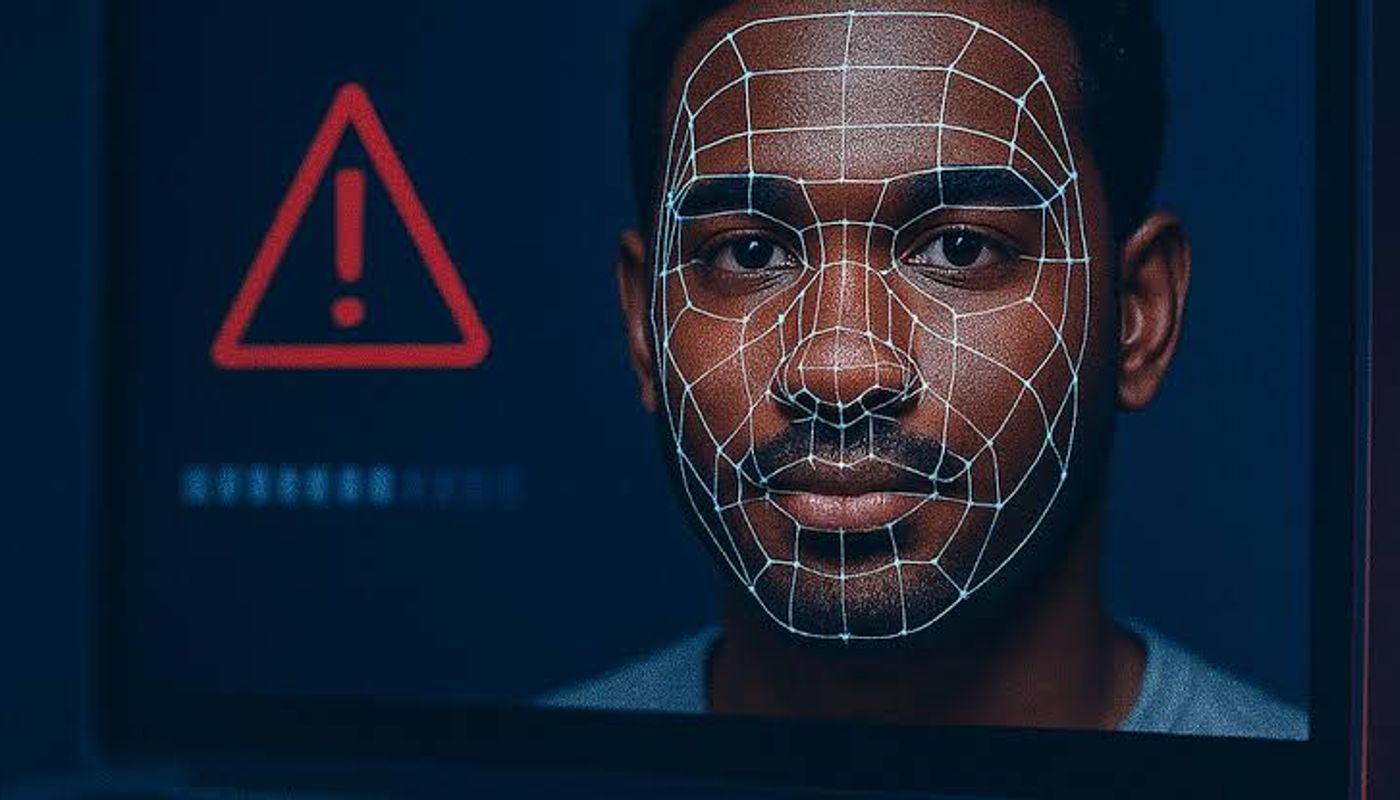
Deepfakes are now a live threat to KYC identity verification. Fraudsters use generative AI to bypass biometric checks and document screening in onboarding flows, significantly increasing the risk of deepfake identity fraud across digital systems.
FinCEN reported a notable increase in suspicious activity reports referencing suspected deepfake use in identity fraud, especially forged documents used to bypass verification controls, highlighting the growing need for anti deepfake verification measures in regulated industries.
In this guide, we will explore how these technologies work together to strengthen identity verification, reduce fraud risks, and ensure secure customer onboarding in modern digital systems. Binderr Services provides end-to-end compliance and onboarding solutions that help businesses streamline KYC processes and prevent identity fraud, including advanced anti deepfake verification capabilities.
Binderr Deepfake-Resistant KYC Software
The best deepfake-resistant KYC software should go beyond analysing selfies. It should verify identity documents, confirm physical presence, secure the capture process, and assess overall fraud risk.
Binderr brings these controls together within one identity verification workflow:
- AI-powered identity document verification across 230+ countries
- Support for more than 11,000 document and ID types
- Biometric face matching between the user and document portrait
- Liveness detection to prevent photo, video and mask spoofing
- Deepfake detection for manipulated or synthetic facial media
- AI-powered fraud detection using multiple identity risk signals
What Is Deepfake Detection in Identity Verification?
Deepfake detection in KYC uses AI to spot synthetic or manipulated facial media, images, videos, or audio, used to impersonate a customer during onboarding. This deepfake detection KYC process checks for signs of generation, alteration, face swaps, or injection attacks, and ensures the person is real, live, and the camera feed is authentic. It also confirms the face matches the identity document, going beyond facial recognition by detecting fraud and synthetic content linked to deepfake identity fraud.
Make Identity Verification Simple
How Deepfake Attacks Target Identity Verification
Deepfakes are no longer a future threat, they are actively reshaping how identity verification systems are attacked today, with deepfake identity fraud becoming a core concern for financial institutions.
From biometric spoofing and synthetic media to liveness bypass techniques, these attacks challenge modern KYC security and demand stronger deepfake detection KYC and identity verification safeguards as part of broader anti deepfake verification strategies.
Face-swap attacks - Face-swap attacks use deepfake technology to overlay a fraudster’s face with another person’s identity during selfie or video KYC, bypassing basic facial recognition checks. These attacks often rely on real-time face replacement tools and are a major biometric spoofing risk in digital onboarding, contributing heavily to deepfake identity fraud.
Generated selfie and video attacks - In generated selfie and video attacks, fraudsters use AI-generated faces or synthetic video streams that closely mimic a genuine identity document photo. These deepfake assets are designed to fool liveness detection and biometric verification systems by appearing realistic and consistent, making anti deepfake verification essential.
Video replay attacks - Video replay attacks involve presenting a previously recorded video to the verification system, tricking it into believing it is a live capture. Attackers often use screen recordings or looped footage to bypass liveness checks in weak KYC workflows, increasing exposure to deepfake identity fraud.
Digital injection attacks - Digital injection attacks occur when manipulated media is fed directly into the verification pipeline instead of being captured through a real camera. According to NIST, these attacks bypass biometric capture integrity by inserting forged images or videos between the sensor and the system, making biometric matching alone insufficient for protection against deepfake identity fraud.
Virtual camera and emulator attacks - Fraudsters use virtual cameras, emulators, or compromised device software to simulate legitimate camera input while streaming AI-generated or pre-recorded content. These techniques are common in advanced spoofing setups targeting mobile and web-based onboarding systems, requiring stronger deepfake detection KYC controls.
Facial morphing - Facial morphing combines multiple faces into a single synthetic image that can resemble more than one individual, enabling identity ambiguity and fraud. NIST highlights morphing as a serious identity threat and recommends trusted capture environments or morph-detection tools to prevent misuse in KYC processes as part of anti deepfake verification frameworks.
Manipulated identity documents - Deepfake and generative AI tools are used to alter or fabricate identity documents by replacing portraits, editing personal details, or blending real and fake elements. Fraudsters may also generate entirely synthetic IDs or reuse a single AI-generated face across multiple documents, making document verification and forensic analysis critical for preventing deepfake identity fraud.
Start Secure Identity Checks with Binderr
A Step-by-Step Deepfake-Resistant KYC Workflow
Secure onboarding starts with intelligent identity verification designed to stop synthetic fraud at the source, including risks driven by deepfake identity fraud.
Explore KYC automation, deepfake detection KYC, biometric authentication, liveness detection, and fraud prevention in a unified workflow supported by anti deepfake verification systems.
Step 1: Collect Customer Information
Customer onboarding begins with collecting core KYC (Know Your Customer) details such as legal name, date of birth, residential address, nationality, contact information, and intended account purpose. This forms the foundation for identity verification and AML (Anti-Money Laundering) compliance, helping reduce exposure to deepfake identity fraud.
Accurate data capture at this stage helps reduce fraud risk and ensures regulatory alignment. It also enables downstream checks like sanctions screening, risk scoring, and identity matching across verification systems, strengthening anti deepfake verification readiness.
Step 2: Capture and Authenticate the Identity Document
The user is required to submit a live capture of an official identity document such as a passport or national ID. The system checks document authenticity by analysing format, MRZ data, security features, and visual integrity to prevent deepfake identity fraud attempts.
Advanced document verification techniques such as OCR (Optical Character Recognition) and fraud detection algorithms are used to identify tampering, inconsistencies, or expired credentials. This ensures strong identity proofing and reduces document forgery risks within deepfake detection KYC pipelines.
Step 3: Validate the Extracted Identity Data
Extracted data from the identity document is cross-checked against the information provided by the customer during onboarding. This includes verifying name spelling, date of birth, and address consistency to mitigate deepfake identity fraud risks.
The system may also validate records against trusted databases, watchlists, and authoritative identity sources. This step strengthens KYC compliance and helps detect synthetic or stolen identities early in the process through anti-deepfake verification controls.
Step 4: Capture a Live Facial Image
A real-time facial image is captured using a secure, session-based camera to ensure the presence of a live user. Uploaded images or prerecorded videos are not accepted to maintain biometric integrity and reduce deepfake identity fraud exposure.
This process supports facial recognition and liveness detection, helping prevent spoofing attacks such as deepfakes, screen replays, or photo injections. It is a critical step in deepfake detection, KYC, and biometric identity verification.
Step 5: Perform Liveness and Spoofing Checks
Liveness detection ensures that the user is physically present during the KYC process. It helps prevent spoofing attempts using photos, screen replays, deepfake videos, or printed masks by analysing real-time facial movements and behavioural cues linked to deepfake identity fraud.
Advanced liveness detection tools use blink detection, head movement tracking, and texture analysis to confirm authenticity. This step is critical for preventing presentation attacks and strengthening biometric verification security under anti deepfake verification standards.
Step 6: Detect Deepfakes and Injection Attacks
Deepfake detection identifies synthetic or manipulated media such as face swaps, AI-generated videos, and altered facial frames. It also checks for virtual cameras, emulators, and injection attacks that bypass live capture systems, forming the core of deepfake detection KYC.
By analysing device integrity, video consistency, and facial artefacts, the system flags abnormal patterns linked to fraud. This ensures robust protection against AI-generated identity fraud and enhances KYC security against deepfake identity fraud.
Step 7: Match the Face and Calculate Risk
Facial recognition compares the live capture with the document portrait to confirm identity consistency. It uses biometric matching algorithms to measure similarity and detect mismatches or impersonation attempts often associated with deepfake identity fraud.
The system then combines biometric data, document verification results, device intelligence, and behavioural signals to generate a comprehensive customer risk score. This helps financial institutions make accurate onboarding decisions supported by anti deepfake verification.
Step 8: Review, Decide and Retain Evidence
High-risk or uncertain cases are escalated for manual review or enhanced due diligence by compliance teams. This ensures that borderline or suspicious applications are carefully assessed before approval, especially when deepfake identity fraud signals are detected.
All verification data, risk scores, and decision logs are securely stored for audit and regulatory compliance. This supports transparency, fraud investigation, and long-term KYC record-keeping requirements within a deepfake detection KYC framework.
Streamline Every Step of Deepfake-Resistant KYC with Binderr
A deepfake-resistant KYC process becomes difficult when document checks, biometric verification, fraud analysis, and compliance reviews are split across separate systems.
Binderr streamlines the complete workflow by helping businesses:
- Collect customer information through customisable onboarding forms
- Capture and verify passports, national IDs and driving licences
- Extract identity information using automated OCR
- Perform liveness and spoofing checks during verification
- Match the customer’s face with the document portrait
- Detect deepfake and synthetic-media indicators
Why Deepfake Detection Cannot Operate Alone
Deepfake detection kyc is a strong but evolving safeguard, as AI-generated face swaps, synthetic videos, and injection attacks are advancing quickly. Its performance can drop in unseen attack types, low-light conditions, poor camera quality, or heavy compression, sometimes causing false positives.
Fraud can also bypass facial checks by targeting the capture channel using virtual cameras, emulators, or replay attacks, and even human reviewers may be deceived by highly realistic media. A successful liveness or face match only confirms the biometric at that moment, not true identity ownership, which is why deepfake identity fraud remains a persistent risk. As noted by NIST, while these controls raise the bar for attacks, they are not sufficient on their own without broader anti deepfake verification layers.
Combine Deepfake Detection with Layered Identity Verification Using Binderr
Deepfake detection is most effective when it operates alongside document verification, biometric comparison, liveness detection and wider fraud analysis.
Binderr’s KYC solution helps businesses create this layered protection by combining:
- AI-powered document verification across global ID types
- Biometric face matching between user selfies and ID portraits
- Liveness detection to prevent spoofing and presentation attacks
- Deepfake and synthetic media detection for enhanced fraud prevention
- Automated fraud risk scoring using multiple identity signals
- Real-time verification workflows with instant decisioning
Best Practices for Preventing Deepfake KYC Fraud
Deepfake-driven identity fraud is evolving rapidly, making traditional KYC checks insufficient on their own.
Strengthen onboarding with deepfake detection KYC, KYC security controls, biometric verification, liveness detection, and identity fraud prevention techniques to ensure trust and compliance through robust anti-deepfake verification.
Use live capture instead of uploaded selfies - Live capture ensures the identity check happens in real time using the device camera, reducing the risk of pre-recorded or edited images. By requiring a live selfie or video during onboarding, organizations can detect deepfakes, screen replays, and injected media, strengthening biometric authentication and improving overall KYC security against deepfake identity fraud.
Combine active and passive liveness controls - A strong liveness detection system blends active challenges like blinking or head movement with passive signals such as texture analysis, lighting consistency, and micro-expressions. This layered approach helps detect presentation attacks, face spoofing, and AI-generated deepfakes without adding friction to the user experience, reinforcing anti deepfake verification.
Protect the capture channel - Securing the capture channel means safeguarding the entire data flow from camera to server using encryption, device binding, and anti-tampering checks. This prevents interception, virtual camera injection, and emulator-based fraud, ensuring that biometric data remains authentic and unaltered during transmission and reducing deepfake identity fraud risks.
Verify the document independently - Independent document verification cross-checks identity documents against trusted databases, government registries, and security feature validation systems. This helps detect forged IDs, altered MRZ zones, and synthetic documents while ensuring the extracted data matches authoritative sources, supporting deepfake detection kyc workflows.
Apply risk-based verification - Risk-based verification adjusts the level of scrutiny based on user behavior, geography, device reputation, and transaction context. Low-risk users experience faster onboarding, while high-risk profiles trigger enhanced checks like additional biometrics or manual review, optimizing both security and user experience in anti deepfake verification systems.
Test against current attack methods - Continuous testing against evolving threats such as deepfake videos, GAN-generated faces, injection attacks, and replay fraud ensures the system stays resilient. Regular red teaming and adversarial simulations help identify vulnerabilities before attackers can exploit them in real-world scenarios involving deepfake identity fraud.
Monitor verification outcomes - Ongoing monitoring of verification results, false positives, and fraud patterns helps improve model accuracy and detection thresholds over time. By analysing KYC outcomes and fraud trends, organizations can refine their identity verification systems and maintain strong, adaptive security performance against deepfake detection kyc threats.
Verify Customers in Minutes
How to Choose Deepfake Detection and KYC Software
Choosing the right deepfake detection software and KYC software is essential for strengthening identity verification, biometric authentication, and fraud prevention in modern onboarding systems.
A strong solution should combine liveness detection, AI-driven analysis, and real-time risk scoring to effectively stop synthetic identities and ensure secure customer verification, including protection against deepfake identity fraud through anti-deepfake verification capabilities.
Step 1: Map your identity fraud risks
Understanding identity fraud risks is the foundation of any strong KYC and AML compliance strategy. Before selecting tools or workflows, organizations must evaluate where and how fraud is most likely to occur across their customer journey. This helps align deepfake detection kyc, biometric verification, and risk scoring with real exposure points.
- Customer location and jurisdictional fraud trends
- Product type and associated risk level
- Transaction value thresholds and high-risk limits
- Remote onboarding volume and digital-only user flows
- Regulatory exposure (KYC, AML, GDPR, FATF requirements)
A clear fraud risk map ensures that identity verification systems are not generic but tailored to actual threat levels. It also improves prioritization of deepfake-resistant KYC controls and strengthens anti-deepfake verification strategy. This step strengthens fraud prevention strategy and supports risk-based authentication design against deepfake identity fraud.
Step 2: Evaluate the complete KYC workflow
A robust KYC workflow must be assessed end-to-end rather than focusing only on isolated features like deepfake detection. The goal is to ensure that every stage of identity verification works together to prevent spoofing, injection attacks, and synthetic identity fraud.
- Document verification and authenticity checks
- Biometric face matching between ID and live capture
- Liveness detection (active and passive methods)
- Injection attack and spoofing prevention
- Synthetic identity and fraud detection
- AML screening and sanctions list checks
- Risk scoring using multiple identity signals
- Ongoing monitoring of customer activity
Evaluating the full KYC pipeline ensures layered security rather than relying on a single fraud detection mechanism. This is critical for deepfake-resistant onboarding systems and deepfake detection KYC resilience. A complete workflow reduces blind spots and improves overall identity assurance and anti-deepfake verification effectiveness.
Step 3: Review independent performance evidence
Independent validation is essential to confirm that a KYC or deepfake detection system performs reliably under real-world conditions. Vendors should provide transparent testing data rather than marketing claims.
- Testing methodology and evaluation framework
- Attack coverage including deepfakes, masks, and injection attacks
- False acceptance rate (FAR) and false rejection rate (FRR)
- Dataset diversity (age, ethnicity, lighting, device types)
Strong performance evidence ensures that identity verification systems are not only theoretical but proven against real fraud techniques, including deepfake identity fraud scenarios. This step builds trust in biometric authentication, deepfake detection, KYC accuracy, and anti-deepfake verification systems.
Step 4: Test difficult real-world scenarios
Identity verification systems must be tested under challenging and imperfect conditions to ensure reliability at scale. Fraudsters often exploit weak environments, so systems must handle variability in user behavior and device quality.
- Low-light or poor lighting capture conditions
- Users wearing glasses, masks, or head coverings
- Printed photograph spoofing attempts
- Screen replay and video injection attacks
- 3D masks and presentation attacks
- Virtual camera or emulator-based inputs
- AI-generated or deepfake video submissions
- Altered or tampered ID document portraits
Testing across these scenarios ensures resilience against both traditional fraud and advanced AI-driven attacks. It improves system robustness and strengthens deepfake detection KYC performance in production environments, while reinforcing anti-deepfake verification.
Step 5: Review the customer experience
A secure KYC process must also be user-friendly to avoid drop-offs and onboarding friction. Balancing security with usability is key to maintaining conversion rates while preventing fraud.
- Total onboarding completion time
- Number of verification steps
- Mobile-first design and device compatibility
- Accessibility for users with disabilities
- Clear error messages and retry guidance
- Quality of user instructions and prompts
- Availability of fallback or manual verification options
A smooth customer experience increases completion rates while still maintaining strong identity verification standards. Poor UX can lead to abandonment or fraudulent workarounds, including attempts at deepfake identity fraud. This step ensures that security and usability work together in KYC workflows and supports effective anti deepfake verification.
Step 6: Confirm audit and integration capabilities
Strong integration and audit capabilities ensure that KYC systems can scale across platforms while remaining compliant with regulatory requirements. This is especially important for enterprises handling large volumes of identity data.
- API and SDK availability for seamless integration
- Workflow customization and configuration options
- Case management tools for fraud investigation
- Audit trails for compliance tracking
- Reporting dashboards and analytics tools
- Role-based access control for security governance
These capabilities ensure that identity verification systems can be embedded into existing infrastructure while maintaining transparency and control. They also support regulatory audits, deepfake detection kyc oversight, and long-term anti deepfake verification management.
Go Beyond Deepfake Detection with Binderr Compliance
Preventing deepfake fraud is only part of compliance. After verifying identity, businesses must still screen, assess risk, and monitor customers over time.
Binderr provides an end-to-end compliance platform that connects:
- KYC: Verify individuals using document checks, biometrics, liveness and fraud signals
- KYB: Verify businesses using registry data and company records
- AML screening: Screen against sanctions, PEPs, watchlists and adverse media
- Dynamic risk assessment: Score risk using KYC, KYB and AML data
- CDD: Build a full customer risk profile from all checks
- Ongoing monitoring: Get alerts on sanctions, PEP or adverse media changes
Bottom Line
Deepfake attacks challenge the assumption that a realistic face, video, or selfie is enough to prove identity. With AI-generated faces, face swaps, and synthetic video becoming more convincing, traditional onboarding is no longer sufficient. Strong protection now requires layered KYC combining document authentication, secure capture, liveness detection, facial comparison, injection attack prevention, and real-time fraud analysis to detect identity fraud, including deepfakes, through robust anti-deepfake verification systems.
Binderr Services helps businesses bring all these critical capabilities together into a single, streamlined compliance workflow. By unifying identity verification, biometric verification, fraud detection, and AML screening, it enables organisations to strengthen onboarding while reducing operational complexity, including protection against deepfake detection kyc threats.