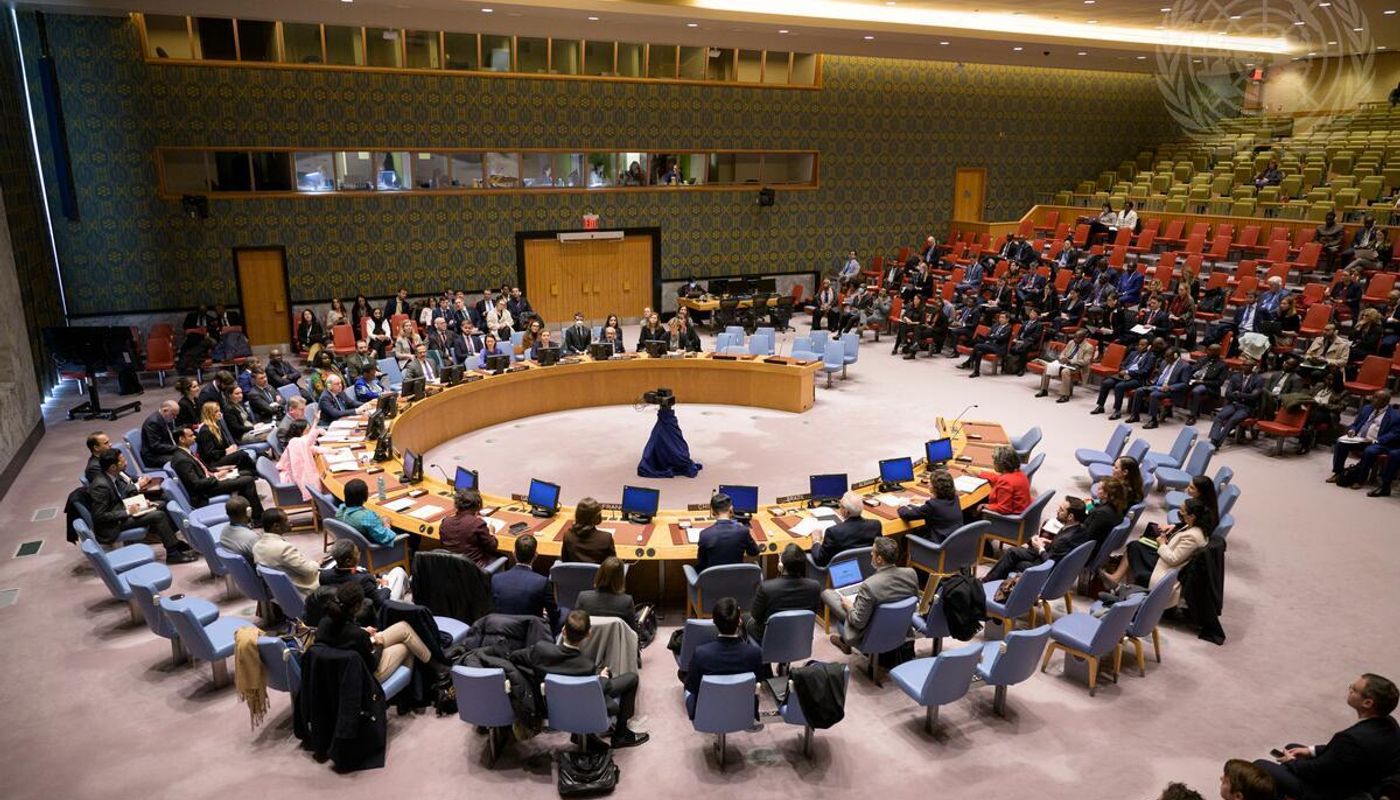
Sanctions screening helps prevent prohibited funds and services from reaching designated parties. UN Security Council sanctions play a key role by imposing measures such as asset freezes and travel restrictions.
As of 4 September 2026, the UN consolidated list contained 736 individuals and 275 entities. Screening the UN sanctions list helps organisations identify potential exposure and manage sanctions risk.
Matches are not always straightforward. Aliases, spelling variations and incomplete identifiers can create alerts that require careful review.
In this guide, we explain how UN sanctions screening works, how matches are investigated, and how businesses can strengthen ongoing compliance.
Binderr Sanctions Screening Software
Binderr screens individuals and businesses against global sanctions sources, including the UN sanctions list, in one compliance workspace.
- Screen individuals and businesses against sanctions, PEPs and watchlists
- Use smart matching to detect aliases and name variations
- Reduce unnecessary false positives with AI-powered screening
- Screen directors, shareholders and UBOs
- Receive real-time alerts when risk profiles change
- Maintain clear screening records and audit trails
What Are UN Security Council Sanctions?
UN Security Council sanctions are measures used to address threats to international peace and security. They can include asset freezes, travel bans, arms embargoes and financial restrictions. Designated parties may appear on the UN sanctions list and UN consolidated list, while businesses must follow the sanctions laws that apply in their jurisdictions.
Run Smarter AML Checks
What Is the UN Security Council Consolidated List?
The UN consolidated list brings together individuals and entities designated under different UN Security Council sanctions regimes. Each entry can include names, aliases, dates of birth, nationalities, passport details, addresses and other identifiers that help compliance teams distinguish real matches from false positives.
Businesses use the UN sanctions list as a core screening source, but the exact restrictions attached to each designation depend on the specific sanctions regime.
Which UN Sanctions Regimes Can Appear in Screening?
The UN sanctions list covers multiple sanctions regimes, each targeting specific threats, individuals, entities or activities under UN Security Council sanctions.
When screening against the UN consolidated list, compliance teams should identify the relevant regime because the restrictions and required actions can vary.
Regime | Example focus | Possible measures |
1267/1989/2253 | ISIL and Al-Qaida | Asset freeze, travel ban, arms embargo |
1988 | Taliban-related designations | Asset freeze, travel ban, arms embargo |
1718 | DPRK | Financial, proliferation, trade, transport and other restrictions |
1970 | Libya | Asset freezes, travel restrictions and other measures |
2140 | Yemen | Targeted sanctions |
2206 | South Sudan | Asset freezes and travel restrictions |
2653 | Haiti | Asset freezes and travel restrictions |
How UN Security Council Sanctions Screening Works
UN Security Council sanctions screening compares customer, business and ownership data against the UN sanctions list to identify potential matches.
The process combines UN consolidated list data, name matching, secondary identifiers and alert review to separate genuine sanctions risk from false positives.
Step 1: Collect Reliable Customer or Business Data
Accurate screening starts with reliable KYC and KYB data. For individuals, this includes full names, aliases, date and place of birth, nationality, address, and passport or ID details. For businesses, teams should collect registered and trading names, registration numbers, addresses, directors, shareholders, and UBO information.
Good data makes it easier to compare a customer or company against the UN sanctions list and reduces unnecessary alerts. KYC, KYB, and sanctions screening should therefore work together rather than as separate compliance checks.
Step 2: Compare the Subject Against Current Sanctions Data
Next, the screening system compares customer or business information against current UN consolidated list records. Effective systems can use exact, partial, and fuzzy matching to detect aliases, spelling differences, transliterations, initials, reordered names, and company acronyms.
This matters because a person subject to UN Security Council sanctions may not use exactly the same spelling shown in official records. Different Romanisations or variations of the same name can otherwise cause a genuine match to be missed.
Step 3: Use Secondary Identifiers to Improve Matching
A similar name is only the starting point. Compliance teams should compare secondary identifiers such as date of birth, nationality, passport number, address, and place of birth before deciding whether a UN sanctions list alert is relevant.
These identifiers help separate genuine matches from people who simply share the same or a similar name. The UN consolidated list may also contain aliases and additional identifying information that analysts can use to make a more confident decision.
Step 4: Generate a Potential Match or Alert
Screening software generates an alert when similarities between a customer and a UN consolidated list entry meet the system's configured matching threshold. This alert signals a possible match, not automatic confirmation that the person or business is sanctioned.
Threshold settings require balance. Rules that are too strict can miss parties subject to UN Security Council sanctions, while overly broad rules can generate large numbers of false positives and increase the workload for compliance teams.
Step 5: Investigate the Alert
When an alert appears, an analyst should compare the customer's information with the full UN sanctions list record. This can include reviewing aliases, birth details, nationality, identification numbers, addresses, original-script names, company identifiers, and the relevant sanctions regime.
The purpose is to build an evidence-based picture of whether both records refer to the same party. Analysts may also review listing information connected to the UN Security Council sanctions regime before deciding whether the match should be dismissed or escalated.
Step 6: Determine Whether It Is a False Positive or True Match
After investigation, the alert is usually classified as a false positive, inconclusive result, or confirmed match. A false positive can be closed with a documented reason, while an inconclusive case may require additional information or escalation.
A confirmed match means available evidence indicates the customer or entity is the party appearing on the UN consolidated list. Compliance teams should document how they reached the decision so the outcome can be reviewed and supported later.
Screening outcome | Meaning | Typical next step |
False positive | Identifiers show it is a different party | Close and document |
Inconclusive | Evidence is insufficient | Investigate or escalate |
Confirmed match | Evidence supports a true match | Follow required sanctions procedures |
Step 7: Apply the Required Sanctions Measure
If a match is confirmed, the required response depends on the specific UN Security Council sanctions regime and the laws implementing it in the relevant jurisdiction. Measures may include asset freezes, prohibitions on making funds available, reporting requirements, or other restrictions.
Businesses should not assume that every UN sanctions list match requires exactly the same action. The case should be escalated and handled according to the applicable sanctions rules, including any relevant exemptions, licences, or reporting obligations.
Step 8: Record the Decision
Every sanctions decision should leave a clear compliance trail. Records can include the data screened, UN consolidated list version, screening date, matching score, alert details, supporting evidence, analyst findings, escalation history, and final outcome.
Strong documentation helps businesses demonstrate that UN Security Council sanctions alerts were investigated consistently and appropriately. It also supports internal reviews, regulatory examinations, audits, and future investigations.
Step 9: Continue Monitoring After Onboarding
Sanctions screening should continue after the initial customer check because the UN sanctions list changes over time. New parties can be added, existing records can be amended, and previously designated individuals or entities can be removed.
Organisations should therefore rescreen when the UN consolidated list changes or when customer information, ownership, or risk circumstances change. Ongoing monitoring helps detect new exposure to UN Security Council sanctions that may not have existed when the relationship first began.
Monitor Sanctions and PEP Updates
Simplify the UN Sanctions Screening Process with Binderr
Binderr combines UN consolidated list screening, KYC, KYB and risk assessment in one workflow for faster match reviews.
- Collect reliable KYC and KYB information
- Screen names, businesses and related parties
- Detect aliases and potential sanctions matches
- Review alerts alongside customer information
- Apply dynamic risk scoring to screening results
- Continuously monitor customers for new risk
Screening Against the UN List vs OFAC, EU and UK Sanctions Lists
Screening against the UN sanctions list is an important part of sanctions compliance, but it may not cover every restriction that applies to a business.
The UN consolidated list contains individuals and entities subject to measures imposed under different UN Security Council sanctions regimes, while national and regional authorities can maintain their own sanctions programmes and additional designations.
For this reason, businesses should identify every sanctions regime relevant to their customers, transactions, locations and operations. Depending on their exposure, this may require screening against UN, US, EU and UK sanctions data rather than relying on one list alone.
Framework | Authority | Main coverage |
UN sanctions | UN Security Council | Individuals and entities designated under UN Security Council sanctions regimes |
US sanctions | OFAC and other US authorities | US sanctions programmes, including country-based and thematic restrictions |
EU sanctions | European Union | EU restrictive measures covering countries, individuals, entities and thematic risks |
UK sanctions | UK Government and OFSI | UK-designated individuals, entities, organisations and certain ships |
OFAC administers multiple sanctions programmes that can be comprehensive or selective and may involve asset blocking and trade restrictions. The EU also maintains country-based and thematic sanctions regimes covering areas such as terrorism, human rights violations, cyber-attacks and chemical weapons.
The UK maintains its own sanctions list covering designated individuals, businesses, organisations and ships, with restrictions that can also extend to certain unlisted entities owned or controlled by designated persons.
Screen UBOs and Complex Ownership Structures Using Binderr
Binderr combines KYB, UBO identification, ownership mapping and AML screening to uncover sanctions risk behind complex company structures.
- Access company data across 200+ countries
- Retrieve directors and shareholder information
- Identify Ultimate Beneficial Owners
- Map multi-layer corporate ownership structures
- Screen companies, directors and UBOs against sanctions
- Detect hidden relationships and corporate connections
The 2026 FATF Update and Humanitarian Exemptions
Sanctions controls are designed to restrict prohibited access to funds, but they should not prevent legitimate humanitarian aid from reaching people in need. In June 2026, FATF updated Recommendation 6 to align more closely with humanitarian exemptions under relevant UN Security Council sanctions, including UNSCRs 2664, 2761 and 2615.
The update makes clear that sanctions measures should allow permitted flows of funds, assets, goods and services needed for humanitarian assistance and basic human needs. This means screening against the UN sanctions list or UN consolidated list should not automatically lead to every transaction being blocked without considering applicable exemptions.
For compliance teams, the lesson is balance. Strong screening should identify genuine sanctions exposure while procedures also account for humanitarian exemptions, licences and other permitted activity under the relevant legal framework.
Manage Compliance in One Place
UN Sanctions Screening Example
A sanctions alert does not automatically mean a customer is sanctioned. Consider a fictional customer named Mohammed Al Example. During onboarding, the screening system finds a similar alias on the UN sanctions list and generates an alert. The compliance analyst must then compare additional identifiers before deciding whether the customer matches the person listed under UN Security Council sanctions.
Identifier | Customer | UN Entry | Assessment |
Name | Mohammed Al Example | Similar name | Possible match |
Date of birth | 1989 | 1967 | Different |
Nationality | Country A | Country B | Different |
Passport | X123 | Y567 | Different |
Address | City A | City B | Different |
Although the names are similar, the date of birth, nationality, passport and address do not match. The analyst could therefore classify the alert as a likely false positive, document the reasons and close it according to the organisation's procedures.
Now consider a second case where the customer's name and alias match an entry on the UN consolidated list, while the date of birth, nationality and passport number also correspond. Multiple matching identifiers significantly increase the likelihood that both records relate to the same person.
Identifier | Customer | UN Entry | Assessment |
Name | Same or very similar | Same or very similar | Strong match |
Date of birth | 1967 | 1967 | Match |
Nationality | Country B | Country B | Match |
Passport | Y567 | Y567 | Match |
Address | Similar | Similar | Supporting match |
In this situation, the alert should be escalated as a likely true match and investigated under the applicable sanctions procedures. The organisation should then determine which UN Security Council sanctions measures and local implementing laws apply before taking the required action.
Go Beyond UN Sanctions Screening With Binderr
Binderr brings KYC, KYB, AML screening, UBO checks, risk assessment and ongoing monitoring into one compliance platform.
- Verify individuals and businesses with KYC and KYB
- Screen sanctions, PEPs, watchlists and adverse media
- Identify and verify UBOs
- Automate dynamic risk assessments
- Trigger CDD and EDD workflows based on risk
- Monitor customers continuously with full audit trails
Bottom Line
Effective UN Security Council sanctions screening requires more than checking names against the UN sanctions list. Accurate data, smart matching, alert review and ongoing monitoring help businesses identify genuine sanctions risk and reduce false positives.
Because the UN consolidated list changes over time, screening should remain an ongoing compliance process. Binderr Services helps teams combine sanctions screening, KYC, KYB, UBO checks and monitoring in one compliance workspace.
-1-360x240.webp?w=3840&q=75)