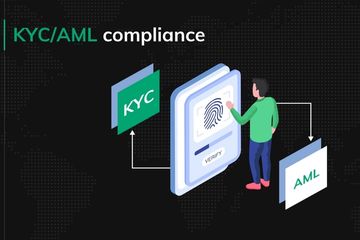
For startups operating in fintech, payments, crypto, lending, and other regulated sectors, AML compliance is no longer optional. Regulators, banking partners, and investors expect businesses to implement effective Anti-Money Laundering (AML) controls from day one. The right AML compliance solution helps startups verify customers, detect financial crime risks, and meet regulatory obligations without creating friction during onboarding.
The challenge is finding a balance between compliance and growth. Many startups begin with manual reviews, spreadsheets, and disconnected tools that quickly become difficult to manage as customer volumes increase. Modern AML solutions and AML tools for startups help eliminate these inefficiencies through automation and centralized compliance workflows.
Financial crime remains a significant global concern. According to the United Nations Office on Drugs and Crime (UNODC), an estimated 2% to 5% of global GDP is laundered each year. This highlights why regulators continue to strengthen AML requirements and why startups need reliable AML compliance software that can identify risks early and support effective due diligence.
In this guide, you'll learn how AML compliance solutions work, the features startups should prioritise, and the key factors to consider when comparing AML software providers, AML solutions, and AML tools for startups.
Stop juggling spreadsheets. Move your compliance process into a single automated workflow.
Binderr AML Compliance Software for Startups
Startups need compliance solutions that are powerful enough to meet regulatory requirements while remaining flexible enough to support rapid growth.
With Binderr, startups can:
- Verify individuals and businesses from a single platform
- Screen customers against sanctions, PEPs, watchlists, and adverse media
- Automate customer due diligence and risk assessments
- Identify Ultimate Beneficial Owners (UBOs)
- Monitor customers continuously for emerging risk
- Maintain complete audit trails for regulators
What Is an AML Compliance Solution?
An AML compliance solution is a software platform designed to help businesses detect, prevent, and report potential financial crime while meeting Anti-Money Laundering (AML) regulations. Modern AML compliance software combines tools such as Know Your Customer (KYC) verification, Know Your Business (KYB) checks, sanctions screening, PEP screening, adverse media monitoring, risk scoring, and ongoing monitoring into a single workflow. By automating these compliance processes, businesses can reduce manual reviews, improve customer onboarding, maintain audit trails, and strengthen regulatory compliance without creating unnecessary friction for legitimate customers.
For startups, AML compliance tools are especially valuable because they provide scalable compliance automation from day one. Whether operating in fintech, payments, crypto, lending, wealthtech, insurtech, online marketplaces, or regulated SaaS sectors, startups often face strict compliance requirements while managing limited resources. An effective AML compliance platform helps these businesses verify customers and companies, identify Ultimate Beneficial Owners (UBOs), monitor risk continuously, and generate compliance-ready reports. These AML solutions and AML tools for startups support sustainable growth while maintaining compliance.
Access Free Binderr Screening Tool
Why AML Compliance Is Important for Startups
AML compliance is essential for startups operating in regulated industries, helping them prevent financial crime, meet regulatory obligations, and build trust with customers, investors, and banking partners.
By implementing effective AML compliance solutions, startup AML software, AML compliance software, and automated KYC and KYB processes early, businesses can reduce risk, streamline onboarding, and scale with confidence.
Regulatory Requirements - Many startups operating in regulated industries must comply with Anti-Money Laundering (AML) regulations and Know Your Customer (KYC) requirements. AML compliance software helps businesses meet these obligations by automating identity verification, customer due diligence, sanctions screening, and recordkeeping processes.
Fraud Prevention - Fraud can be costly for startups, both financially and reputationally. AML compliance solutions help detect suspicious activity, identify high-risk customers, and prevent fraudulent accounts from entering the platform through automated screening and risk assessment tools.
Investor and Banking Expectations - Investors, banking partners, and payment providers increasingly expect startups to have strong compliance controls in place. Demonstrating a robust AML compliance program can improve credibility, support fundraising efforts, and make it easier to establish and maintain financial partnerships.
Scaling Compliance Efficiently - As customer volumes grow, manual compliance processes become difficult to manage. AML software enables startups to automate onboarding, screening, monitoring, and reporting workflows, allowing compliance operations to scale without significantly increasing headcount. This is one reason AML tools for startups have become increasingly important.
Avoiding Regulatory Penalties - Failure to comply with AML regulations can result in fines, enforcement actions, and operational restrictions. Implementing an AML compliance platform helps startups maintain consistent compliance processes, reduce human error, and create audit trails that support regulatory reviews.
Start managing compliance the easier way with Binderr.
Core Features Every Startup AML Solution Should Include
The right AML compliance solution should provide the essential tools startups need to meet regulatory requirements, reduce risk, and streamline customer onboarding.
From KYC and KYB verification to sanctions screening, risk scoring, and ongoing monitoring, these AML software features and AML solutions help build a scalable and effective compliance program.
Verify Customer Identities with Robust KYC Checks
Strong Know Your Customer (KYC) processes are the foundation of any effective AML compliance solution. Startups should look for AML software that combines document verification, biometric verification, liveness detection, and OCR technology to validate customer identities quickly and accurately. Advanced identity verification tools can also help detect fraudulent documents, synthetic identities, and deepfake attacks, reducing onboarding risks while improving the customer experience.
In addition to strengthening AML compliance, robust KYC verification helps startups build trust with customers, financial institutions, and regulators. By automating identity checks and reducing manual intervention, AML onboarding software can accelerate customer acquisition while ensuring compliance with evolving anti-money laundering regulations.
Streamline Business Onboarding with KYB Verification
For startups onboarding corporate clients, Know Your Business (KYB) verification is equally important. A reliable AML compliance platform should perform company registry checks, verify directors and shareholders, identify Ultimate Beneficial Owners (UBOs), and map complex ownership structures. These capabilities help businesses meet regulatory compliance requirements, accelerate customer onboarding, and gain greater transparency into business relationships.
Effective KYB verification also supports fraud prevention by uncovering shell companies, hidden ownership structures, and high-risk entities before onboarding. Startups using AML compliance software with integrated KYB capabilities can streamline due diligence processes while maintaining strong compliance controls.
Screen Customers Against Global Sanctions Lists
Sanctions screening helps startups identify individuals and entities that appear on international watchlists and restricted-party databases. Effective AML screening software continuously checks customers against updated sanctions lists to prevent prohibited transactions and reduce regulatory risk.
Comprehensive sanctions screening should include coverage of major global lists issued by organisations such as the United Nations, OFAC, the European Union, and HM Treasury. Real-time screening and automated alerts help startups remain compliant as sanctions programs evolve and new restrictions are introduced.
Identify Politically Exposed Persons (PEPs)
PEP screening enables organisations to detect customers who hold prominent public positions or have close associations with politically exposed individuals. Identifying PEPs early supports risk-based compliance programs and helps determine when enhanced due diligence (EDD) measures are necessary.
A strong AML compliance solution should provide access to global PEP databases and continuously monitor customers for changes in status. This enables startups to identify elevated risks promptly and apply appropriate compliance measures throughout the customer lifecycle.
Detect Risk Through Adverse Media Screening
Adverse media screening uncovers negative news, allegations, or reports linked to customers and businesses. By monitoring credible global news sources, AML compliance software can reveal potential financial crime, fraud, corruption, or reputational risks that may not appear through standard verification checks.
Continuous adverse media monitoring helps compliance teams identify emerging threats before they escalate into larger issues. When combined with sanctions screening and PEP checks, adverse media screening provides a more complete view of customer risk and supports stronger AML risk management.
Automate Risk Scoring and Customer Classification
AML risk assessment software helps startups automatically evaluate customer risk levels based on factors such as geography, industry, transaction behaviour, sanctions exposure, and ownership structures. Automated risk scoring improves consistency, reduces manual reviews, and supports more informed compliance decisions.
Customisable risk scoring models allow startups to align compliance workflows with their specific regulatory obligations and risk appetite. By automatically classifying customers into low, medium, or high-risk categories, AML monitoring software can prioritise reviews and allocate compliance resources more efficiently.
Monitor Customers Continuously for Emerging Risks
Compliance does not end after onboarding. Ongoing monitoring tools continuously screen customers for changes in sanctions status, PEP exposure, adverse media mentions, and other risk indicators. Real-time alerts allow compliance teams to respond quickly to emerging threats and maintain regulatory compliance.
Continuous AML monitoring is particularly important for startups operating in fast-moving industries such as fintech, payments, and cryptocurrency. Automated monitoring reduces the burden of manual reviews while ensuring customer profiles remain accurate and up to date over time.
Maintain Audit-Ready Records with Reporting Tools
Comprehensive reporting and audit trail capabilities are essential for demonstrating compliance during regulatory reviews. The best AML compliance solutions automatically document verification results, screening activities, risk assessments, and monitoring actions, making it easier to generate reports and maintain complete compliance records.
Detailed audit trails also improve internal governance by providing a clear record of compliance decisions and actions taken. Startups can use these reporting tools to support regulatory examinations, simplify audits, and demonstrate adherence to anti-money laundering requirements with confidence.
Simplify AML Compliance as You Scale with Binderr
As startups grow, spreadsheets, manual reviews, and disconnected tools quickly become bottlenecks.
Binderr helps startups:
- Automate onboarding workflows
- Centralise KYC, KYB, and AML checks
- Trigger risk-based due diligence automatically
- Screen customers in real time
- Generate compliance-ready reports instantly
- Reduce operational costs and manual effort
How to Evaluate AML Compliance Solutions for Your Startup
Choosing the right AML compliance solution requires balancing regulatory requirements, operational efficiency, and future scalability.
Use the criteria below to compare AML software providers, assess compliance capabilities, evaluate AML solutions, and identify the best AML compliance platform for your startup’s needs.
Understand Your Regulatory Obligations
Before comparing AML compliance solutions for startups, identify the regulations that apply to your business. AML requirements vary by jurisdiction, and startups operating across multiple countries may need to comply with different Anti-Money Laundering (AML), Know Your Customer (KYC), and data privacy regulations. Understanding these obligations helps ensure your AML compliance software supports the checks and reporting standards required by regulators.
Industry-specific requirements are equally important. Fintech companies, crypto platforms, lenders, and payment providers often face stricter compliance expectations than other startups. Consider whether your business requires specific licenses, registrations, or enhanced compliance controls, and choose an AML compliance platform that can support those obligations as your company grows.
Define Your Risk Profile
Every startup has a unique risk profile, and the right AML solution should align with that level of exposure. Start by evaluating the types of customers you serve, whether they are individuals, businesses, high-net-worth clients, or international entities. Different customer segments may require varying levels of customer due diligence (CDD) and enhanced due diligence (EDD).
Geographic exposure, product offerings, and transaction activity also influence risk. Businesses operating in high-risk jurisdictions or handling large transaction volumes often require stronger AML monitoring software and risk scoring capabilities. Understanding these factors helps you select AML tools for startups that support risk-based decision-making rather than applying unnecessary checks to every customer.
Assess Onboarding Requirements
Customer onboarding is often the first interaction users have with your business, making efficiency and compliance equally important. Evaluate how many customers you onboard each month and determine whether your AML onboarding software can handle current and future volumes without creating bottlenecks. Fast, automated onboarding can significantly improve customer experience while maintaining regulatory compliance.
You should also assess the types of verification checks required. For example, startups onboarding businesses may need KYB verification, Ultimate Beneficial Owner (UBO) identification, and business registry checks. If your risk profile requires enhanced due diligence, ensure the AML compliance solution can automate additional reviews and documentation requests when necessary.
Evaluate Automation Capabilities
Automation is one of the biggest advantages modern AML compliance software offers startups. Manual compliance processes can quickly become expensive and difficult to manage as customer volumes increase. Look for AML solutions that automate identity verification, sanctions screening, risk assessments, and ongoing monitoring to reduce operational workloads.
Advanced compliance automation can also improve consistency and reduce human error. Features such as automated workflows, risk-based triggers, and real-time alerts help compliance teams focus on high-risk cases while routine checks are completed automatically. This allows startups to scale efficiently without sacrificing compliance standards. The most effective AML tools for startups combine automation with flexible workflows that adapt as regulatory requirements evolve.
Review Data Coverage
The effectiveness of an AML compliance platform depends heavily on the quality and breadth of its data sources. Strong AML screening software should provide access to global sanctions lists, politically exposed persons (PEP) databases, adverse media sources, and business registries across multiple jurisdictions.
Comprehensive data coverage becomes especially important for startups with international customers or expansion plans. The broader the coverage, the easier it becomes to identify potential risks during onboarding and ongoing monitoring. Always ask vendors about their data providers, update frequency, and geographic reach before making a decision. Leading AML solutions and AML compliance software providers are typically transparent about the scope and quality of their data coverage.
Compare Accuracy and False Positives
High false-positive rates can overwhelm compliance teams and create unnecessary friction for customers. When evaluating AML software for startups, look beyond the number of checks performed and focus on the accuracy of results. Effective AML screening software should identify genuine risks while minimizing irrelevant alerts.
Modern AML compliance solutions often use intelligent matching algorithms, risk scoring models, and contextual analysis to improve accuracy. Reducing false positives not only saves time but also accelerates customer onboarding and improves the overall user experience without compromising regulatory compliance. This is one of the key differentiators between basic AML tools for startups and more advanced AML compliance software platforms.
Assess Integration Options
An AML solution should fit seamlessly into your existing technology stack. Startups often rely on CRM systems, payment platforms, banking infrastructure, and internal applications to manage operations. Choosing an AML compliance platform with flexible integration options helps eliminate manual data entry and streamline workflows.
Look for providers that offer robust APIs, webhooks, and pre-built integrations. Easy connectivity allows compliance checks to run automatically within existing onboarding processes, reducing implementation complexity and ensuring compliance activities remain embedded within everyday business operations. Well-integrated AML solutions can significantly reduce operational overhead while improving compliance efficiency.
Review Reporting Features
Regulatory reporting is a critical component of any AML compliance program. Startups should evaluate whether an AML compliance solution provides detailed audit trails, screening histories, risk assessments, and monitoring records that can be easily accessed during audits or regulatory reviews.
Strong reporting capabilities also improve internal oversight. Compliance teams benefit from dashboards, automated reports, and real-time visibility into customer risk levels and compliance activities. A well-designed reporting system helps demonstrate regulatory compliance while reducing the administrative burden associated with manual recordkeeping. Comprehensive AML compliance software should make reporting straightforward and scalable as your business grows.
Binderr Platform for Screening, Verification, and Monitoring
- Identity verification for new customers
- Business verification for corporate entities
- AML screening against global watchlists
- UBO identification across ownership structures
- Risk assessment using configurable scoring
- Compliance reporting for regulatory audits
Questions to Ask AML Software Providers Before Buying
Before selecting an AML compliance solution, it's important to evaluate each provider's capabilities, data quality, and ability to support your regulatory requirements.
These key questions will help you compare AML software providers, assess AML compliance platforms, and choose a solution that supports scalable customer onboarding, risk management, and ongoing compliance.
What Data Sources Do You Use?
One of the most important questions to ask any AML solution provider is where their compliance data comes from. High-quality AML compliance software should aggregate data from trusted global and local sources, including sanctions lists, politically exposed persons (PEP) databases, adverse media feeds, company registries, and government watchlists.
Ask vendors whether they use:
- OFAC, UN, EU, UK HMT, and other global sanctions lists
- Global PEP databases
- Adverse media and negative news sources
- Corporate registries for KYB verification
- Beneficial ownership databases
- Law enforcement and regulatory watchlists
The breadth and quality of data sources directly impact the effectiveness of AML screening, KYC verification, KYB checks, and financial crime prevention efforts.
How Often Are Screening Databases Updated?
AML regulations and risk profiles change constantly. Screening databases should be updated frequently to ensure your startup remains compliant and can identify emerging risks quickly.
Ask providers:
- Are sanctions lists updated in real time?
- How frequently are PEP databases refreshed?
- How often is adverse media data collected?
- Are regulatory watchlists monitored continuously?
The best AML compliance platforms provide near real-time updates, helping businesses avoid onboarding or retaining high-risk customers who may have recently appeared on a sanctions or watchlist database.
How Do You Reduce False Positives?
Excessive false positives can overwhelm compliance teams and slow customer onboarding. Effective AML software uses advanced matching algorithms, risk scoring models, and intelligent screening logic to reduce unnecessary alerts.
Questions to ask include:
- Do you use fuzzy matching or exact matching?
- Can screening thresholds be customised?
- How are duplicate alerts handled?
- Does the platform use AI or machine learning to improve accuracy?
Reducing false positives improves operational efficiency, lowers compliance costs, and creates a smoother customer experience without compromising regulatory compliance.
Do You Support Ongoing Monitoring?
AML compliance does not end after onboarding. Regulators increasingly expect businesses to conduct ongoing monitoring to identify changes in customer risk profiles over time.
Look for capabilities such as:
- Continuous sanctions screening
- Ongoing PEP monitoring
- Adverse media monitoring
- Real-time risk alerts
- Customer risk reassessments
- Transaction monitoring integrations
A strong AML monitoring software solution helps startups maintain compliance while proactively identifying suspicious activity and emerging threats.
What Compliance Reports Are Available?
Reporting is essential for audits, regulatory reviews, and internal compliance management. AML compliance platforms should provide detailed audit trails and reporting tools that simplify regulatory obligations.
Ask whether the platform offers:
- Customer due diligence reports
- Enhanced due diligence reports
- Screening history reports
- Risk assessment reports
- UBO verification reports
- Compliance audit logs
- Suspicious activity reporting support
Comprehensive reporting capabilities help demonstrate compliance and reduce preparation time during audits or regulatory examinations.
How Long Does Integration Take?
Implementation speed can significantly impact startup operations. Modern AML compliance solutions should offer flexible integration options that minimise development effort and accelerate deployment.
Questions to ask include:
- Is there a REST API available?
- Are SDKs provided?
- Are no-code or low-code integrations supported?
- How long does a typical implementation take?
- Is onboarding assistance included?
Many startup-friendly AML solution providers can be integrated within days rather than months, allowing businesses to launch compliance programs quickly.
What Industries Do You Specialise In?
Different industries face different AML risks and regulatory requirements. Choosing a provider with experience in your sector can improve implementation success and compliance outcomes.
Common industries supported include:
- Fintech
- Banking and payments
- Cryptocurrency and digital assets
- Lending platforms
- Wealth management
- Insurance
- Real estate
- Online marketplaces
- Regulated SaaS platforms
Industry-specific expertise often translates into better workflows, risk models, and compliance automation capabilities.
How Is Pricing Structured?
AML software pricing varies widely between providers. Understanding the pricing model helps startups forecast costs and avoid unexpected expenses as they scale.
Common pricing structures include:
- Per verification pricing
- Monthly subscriptions
- Usage-based pricing
- Tiered pricing plans
- Enterprise contracts
Be sure to ask about additional charges for:
- Ongoing monitoring
- Sanctions screening
- Adverse media checks
- API usage
- Data access
- Customer support
- Custom workflows
Transparent pricing is often a sign of a mature and startup-friendly AML compliance platform.
What Support Is Included?
Compliance challenges can arise at any stage of growth, making vendor support a critical consideration. Strong AML solution providers offer both technical and compliance-focused assistance.
Ask whether support includes:
- Dedicated account management
- Implementation assistance
- Technical onboarding
- Compliance guidance
- Training resources
- Documentation and knowledge bases
- Priority support options
Reliable support can reduce downtime, accelerate adoption, and help your startup navigate evolving AML regulations with confidence.
Create a free account, onboard your first client in minutes.
Common Mistakes Startups Make When Choosing AML Software
Choosing the right AML compliance software is critical for maintaining regulatory compliance while supporting business growth.
Understanding the most common mistakes startups make when evaluating AML compliance solutions, AML solutions, and AML tools for startups can help you avoid costly setbacks, reduce compliance risks, and select a platform that scales with your needs.
Choosing Based on Price Alone
Problem: Many startups select AML compliance software based solely on the lowest price. While budget is important, cheaper AML compliance solutions may lack critical features such as KYC verification, KYB checks, sanctions screening, ongoing monitoring, or compliance reporting, creating compliance gaps and increasing regulatory risk.
Solution: Evaluate AML software based on overall value rather than cost alone. Compare features, data coverage, automation capabilities, scalability, and support to ensure the AML compliance platform can meet both current and future compliance requirements.
Ignoring Future Scalability
Problem: Some startups choose startup AML software that works for their current customer volume, but cannot support future growth. As onboarding volumes increase, limited automation and infrastructure can create operational bottlenecks and compliance challenges.
Solution: Select an AML compliance solution that can scale with your business. Look for flexible workflows, API integrations, automated due diligence, and global coverage that support expanding customer bases and new markets.
Overlooking Ongoing Monitoring
Problem: Many businesses focus heavily on customer onboarding but neglect ongoing AML monitoring. Customer risk profiles can change over time due to sanctions updates, adverse media exposure, or changes in beneficial ownership, leaving firms exposed to financial crime risks.
Solution: Choose AML monitoring software that provides continuous screening, real-time alerts, and automated risk reassessments. Ongoing monitoring helps maintain compliance and supports effective risk management throughout the customer lifecycle. The best AML solutions include monitoring as a core capability rather than an optional add-on.
Using Multiple Disconnected Tools
Problem: Managing separate tools for KYC, KYB, AML screening, risk assessment, and monitoring often creates inefficiencies, duplicate work, and inconsistent compliance processes. Disconnected systems can also increase the likelihood of errors and missed alerts.
Solution: Consider a unified AML compliance platform that combines verification, screening, monitoring, and reporting in one system. Integrated startup compliance solutions and AML tools for startups improve efficiency, reduce operational complexity, and provide a more complete compliance view.
Underestimating Compliance Reporting Needs
Problem: Startups often underestimate the importance of audit trails and compliance reporting until regulators, banking partners, or investors request documentation. Manual reporting processes can be time-consuming and difficult to maintain accurately.
Solution: Prioritise AML compliance software that includes automated reporting, audit logs, case management, and record-keeping capabilities. Strong reporting features simplify audits and help demonstrate regulatory compliance.
Not Reviewing Data Quality
Problem: The effectiveness of AML screening software depends heavily on the quality and accuracy of its underlying data sources. Poor-quality sanctions, PEP, or adverse media data can lead to excessive false positives or missed risks.
Solution: Assess the provider’s data coverage, update frequency, and screening accuracy before making a decision. High-quality AML compliance solutions use reliable global data sources and continuously update records to improve risk detection.
Failing to Consider User Experience
Problem: Complex onboarding processes and difficult-to-use compliance tools can frustrate both customers and internal teams. Poor user experience may increase abandonment rates, slow onboarding, and reduce operational efficiency.
Solution: Choose AML onboarding software with intuitive workflows, streamlined verification processes, and easy-to-use dashboards. A strong user experience helps improve customer onboarding while enabling compliance teams to work more efficiently.
Build a Scalable AML Compliance Program With Binderr
Whether you're onboarding individual customers, businesses, investors, or partners, Binderr provides the tools startups need to manage compliance from a single platform.
- KYC verification for customer onboarding
- KYB verification for business checks
- AML screening against global watchlists
- UBO identification for ownership transparency
- Risk scoring with configurable criteria
- Ongoing monitoring for emerging risks
Bottom Line
Choosing the right AML compliance solution helps startups stay compliant, reduce risk, and scale efficiently. Prioritise providers that offer essential capabilities such as KYC, KYB, sanctions screening, ongoing monitoring, risk scoring, and automation. When comparing solutions, look beyond price and focus on scalability, data quality, integrations, and long-term support. A unified compliance platform can simplify operations, improve onboarding, and help your business grow with confidence.
For startups looking to simplify AML compliance, automate due diligence, and scale with confidence, Binderr Compliance provides an all-in-one platform for KYC, KYB, AML screening, monitoring, and risk management.