The Netherlands enforces a strict AML compliance Netherlands framework under the Wwft AML regime, requiring firms to verify customers, assess risk, monitor activity and report unusual transactions. In 2026, this is reinforced by a €3,000 cash payment ban for goods and continued regulatory focus on risk-based CDD, screening and monitoring, ahead of the EU AML Regulation in 2027.
AML compliance Netherlands is now a frontline business requirement. Under the Wwft AML framework, organisations must assess customer risk, detect unusual transactions, and continuously monitor relationships, with most EU financial institutions using automated AML screening tools to meet rising compliance demands.
In this guide, we explain how AML compliance Netherlands works under the Dutch Wwft AML regime in 2026, including CDD, UBO checks, PEP and sanctions screening, monitoring and reporting, plus key regulatory changes and what they mean for building a future-proof AML programme.
Binderr AML Compliance Software for the Netherlands
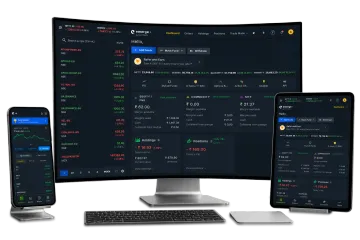
Binderr brings the core building blocks of AML compliance into one platform, helping regulated businesses move from fragmented checks to a connected risk-based compliance workflow.
- AML Screening: Check individuals and businesses against sanctions, PEPs, watchlists and adverse media
- KYC: Verify customers using AI document checks, biometrics and liveness detection
- KYB: Verify companies via global registry and corporate data
- UBO Identification: Identify beneficial owners and map ownership chains
- Dynamic Risk Assessment: Automatically score risk using KYC, KYB and AML data
- Ongoing AML Monitoring: Get alerts when customer risk details change
What Is AML Compliance in the Netherlands?
AML compliance Netherlands refers to the Wwft AML-based framework requiring businesses to prevent money laundering and terrorist financing using a risk-based approach. It involves KYC/KYB, UBO checks, PEP and AML screening, and customer risk assessment. These feed into CDD, with EDD for higher-risk cases, and ongoing monitoring to detect unusual activity and changes over time.
Begin Your AML Compliance Journey with Binderr
What Are the Main AML Laws in the Netherlands?
The Netherlands’ AML framework is primarily governed by the Wwft AML regime, which sets out the core requirements for preventing money laundering and terrorist financing across regulated sectors.
Key related regulations include Dutch sanctions laws, financial supervision rules, and the evolving EU AML framework, all shaping AML compliance Netherlands, Wwft AML obligations, and Dutch AML laws.
Money Laundering and Terrorist Financing (Prevention) Act: Wwft
The Wwft AML (Wet ter voorkoming van witwassen en financieren van terrorisme), in force since 2008, is the cornerstone of Dutch AML/CFT compliance. It sets a risk-based framework for customer due diligence, AML risk assessment, transaction monitoring, UBO verification, record-keeping, and reporting unusual transactions to FIU-Nederland, requiring obliged entities to identify and verify customers and UBOs, understand ownership structures, apply enhanced due diligence where needed, and continuously monitor and report suspicious activity.
Dutch Sanctions Act 1977
The Sanctions Act 1977 sits alongside the Wwft AML framework and provides the legal basis for Dutch sanctions compliance. It requires financial institutions to identify sanctioned persons, entities, or jurisdictions and, where applicable, freeze assets or block transactions. Supervision is carried out by authorities such as DNB and AFM, depending on the institution type. AML and sanctions rules are related but separate, so sanctions screening is not a general Wwft AML requirement for all entities, but applies under specific Dutch and EU sanctions regimes.
Financial Supervision Act and SIRA Requirements
Under the Financial Supervision Act (Wft), some financial institutions must carry out a Systematic Integrity Risk Analysis (SIRA) to identify and manage risks such as money laundering, fraud, corruption, and sanctions exposure. DNB guidance states that SIRA supports testing AML/CFT controls and maintaining a risk-based approach. However, SIRA is mainly required for financial institutions under DNB supervision and does not apply to all Wwft AML-regulated professions.
EU AML Regulation and AMLA
The EU is introducing a harmonised AML/CFT framework under Regulation (EU) 2024/1624, creating directly applicable rules for customer due diligence, beneficial ownership and reporting. It is expected to apply from 10 July 2027, replacing parts of national regimes like the Wwft AML framework with a unified EU system. The Anti-Money Laundering Authority (AMLA) is also being set up, with direct supervision of selected institutions starting in 2027 and full powers in 2028, making 2026 a key preparation year.
Build a Better Compliance Process
Step-by-Step AML Compliance Process in the Netherlands
A structured AML workflow helps organisations comply with the Dutch Wwft AML framework while reducing financial crime risk.
This step-by-step process covers AML compliance Netherlands, Wwft AML requirements, KYC and KYB checks, CDD and EDD procedures, UBO verification, PEP and sanctions screening, transaction monitoring, and FIU-Nederland reporting obligations.
Step 1: Define Your AML Risk Assessment
Identify and document the money laundering and terrorist financing risks relevant to your business, including customers, products, services, geographies and delivery channels. This AML risk assessment is a core requirement under AML compliance Netherlands (Wwft AML) and forms the foundation of a risk-based approach to compliance.
A well-structured AML risk assessment Netherlands should be regularly updated and tailored to your operational reality. It helps determine the level of customer due diligence (CDD) required and ensures your AML compliance programme aligns with regulatory expectations.
Step 2: Perform Customer Identification (KYC/KYB)
Collect and verify customer identity information, including legal entities, representatives and relevant documentation. This KYC Netherlands / KYB Netherlands process ensures you know exactly who you are doing business with before establishing a relationship.
For companies, this includes verifying registration details, directors and authorised signatories. Strong customer identification AML compliance Netherlands reduces exposure to fraud, money laundering and regulatory breaches under the Wwft AML framework.
Step 3: Identify and Verify the UBO
Determine the ultimate beneficial owner(s) and verify ownership and control structures using reliable sources. UBO verification Netherlands is essential to uncover the natural persons who ultimately own or control a legal entity.
This step is a key part of AML compliance Netherlands Wwft AML requirements, helping prevent the misuse of complex corporate structures for financial crime. Accurate UBO identification strengthens transparency and supports effective risk assessment.
Step 4: Conduct AML Screening
Screen customers, UBOs and relevant parties against PEP lists, sanctions lists and adverse media sources. This AML screening Netherlands process helps identify politically exposed persons, sanctioned individuals and potential reputational risks.
Effective PEP and sanctions screening Netherlands should be ongoing, not one-off, and integrated into your wider AML monitoring framework. It ensures continuous compliance with Dutch AML regulations and supports early detection of financial crime risks.
Run Smarter AML Checks for FREE
Step 5: Assign a Customer Risk Rating
Evaluate all collected information to assign a customer risk rating (low, standard or high) as part of your AML compliance Netherlands framework. This assessment should consider key AML risk factors such as customer type, industry, geography, ownership structure, PEP exposure, sanctions screening results and expected transaction behaviour.
A well-defined AML risk assessment Netherlands process ensures consistent decision-making and supports a risk-based approach under the Wwft AML regime. The assigned risk level directly determines the depth of customer due diligence (CDD Netherlands) and whether additional controls are required.
Step 6: Apply CDD or Enhanced Due Diligence (EDD)
Perform standard customer due diligence (CDD Netherlands) for low and normal-risk customers, including identity verification, UBO checks and basic AML screening. This ensures compliance with Dutch AML regulations (Wwft AML compliance) and establishes a clear understanding of the customer relationship.
For higher-risk cases, apply enhanced due diligence (EDD Netherlands), including deeper verification, source of funds checks, source of wealth analysis and senior management approval where required. This strengthens AML compliance Netherlands controls and reduces exposure to financial crime risks.
Step 7: Monitor Transactions and Customer Activity
Continuously monitor transactions and customer behaviour as part of ongoing AML monitoring Netherlands obligations. This ensures that activity remains consistent with the expected profile established during onboarding and risk assessment.
Effective transaction monitoring Netherlands helps detect unusual patterns, sudden changes in behaviour or potential red flags linked to money laundering or terrorist financing. Regular reviews are essential to maintain compliance with the Wwft AML framework and support a strong AML compliance programme.
Step 8: Report Unusual Transactions to FIU-Nederland
Investigate all alerts generated through AML screening Netherlands and transaction monitoring systems, ensuring findings are properly documented and assessed. This step is critical for maintaining transparency and regulatory compliance under Dutch AML rules.
Where required, submit reports of unusual transactions to FIU-Nederland within the statutory timeframe. Timely and accurate reporting supports effective AML compliance Netherlands and helps authorities detect and prevent financial crime.
Simplify the Dutch AML Compliance Process with Binderr
Managing Wwft compliance across separate tools can cause duplicated work, inconsistent data, and slower reviews. Binderr unifies all key compliance checks into one workflow.
See how Binderr streamlines the AML process:
- Collect customer information using customisable onboarding forms
- Run KYC to verify individuals using identity documents, biometrics and liveness checks
- Run KYB to retrieve company registration details, directors and shareholders
- Identify UBOs and map multi-layered corporate ownership structures
- Perform AML screening across sanctions, PEPs, watchlists and adverse media
- Calculate dynamic risk scores using customer, company and screening information
What Changed for AML Compliance in the Netherlands in 2026?
2026 brought key updates to Dutch aml compliance netherlands requirements under the Wwft, including stricter cash payment rules, enhanced supervisory focus, and evolving EU AML alignment. These developments further strengthened wwft aml expectations across regulated sectors.
Businesses must adapt aml compliance Netherlands frameworks, Wwft AML compliance processes, and AML screening controls to meet new regulatory expectations and enforcement priorities.
€3,000 Cash Payment Ban
From 1 January 2026, the Netherlands prohibits cash payments of €3,000 or more for goods between buyers and sellers, strengthening AML compliance standards and reducing the risk of money laundering and cash structuring.
The rule applies to transactions between traders in goods and encourages the use of traceable digital payments and stronger customer due diligence (CDD) controls. This change directly impacts aml compliance Netherlands practices by increasing transparency in high-value transactions and reinforcing wwft aml risk controls.
New DFEI Supervisory Structure
From 1 January 2026, the former Bureau Toezicht Wwft and Bureau Economische Handhaving were merged into Dienst Financieel-Economische Integriteit (DFEI), strengthening AML supervision in the Netherlands by centralising oversight of Wwft compliance and enforcement.
This is especially relevant for estate agents, art dealers, pawnshops, high-value goods intermediaries, and domicile providers, which face increased scrutiny on AML screening, UBO checks, and unusual transaction reporting under Dutch AML rules. The change reinforces a more structured aml compliance Netherlands supervisory environment and tighter wwft aml enforcement expectations.
Greater Focus on Quality of Transaction Monitoring
Use DNB's July 2026 enforcement publication as a practical lesson. DNB imposed a €2.65 million fine on CCV Netherlands for inadequate transaction monitoring, highlighting gaps in AML transaction monitoring in the Netherlands where systems failed to consistently detect, escalate, and document suspicious activity under Wwft requirements.
DNB noted the system had not functioned properly for an extended period and that alerts were not always properly investigated or recorded, reinforcing that effective AML compliance requires not only automation but also strong governance, alert handling, and audit-ready documentation. This enforcement action underscores the importance of robust aml compliance Netherlands monitoring frameworks and reliable wwft aml controls.
Increased Attention to PEP Risk Assessment
The AFM has stressed that screening tools support, but do not replace, a firm’s own responsibility. AML compliance teams in the Netherlands should therefore treat PEP screening as a starting point for customer due diligence (CDD), not a final decision. The June 2026 guidance reinforces a risk-based Wwft approach, where firms assess factors like the public role, jurisdiction, transaction behaviour and source of funds before applying enhanced due diligence (EDD).
In practice, AML screening must be combined with human judgment, clear documentation and ongoing monitoring to ensure proportionate and defensible outcomes. This reflects a more mature approach to aml compliance Netherlands and strengthens the practical application of wwft aml requirements.
AMLA Preparation Is Accelerating
AMLA has been conducting data-collection and calibration work during 2026 as it prepares to identify financial institutions potentially eligible for direct EU supervision.
Overall, 2026 marks a shift toward more mature, risk-based AML compliance in the Netherlands and wider EU. Regulators are increasing focus on PEP risk assessment, AML screening accuracy, and governance of automated tools, while also preparing the AMLA supervisory framework.
For compliance teams, this means moving beyond checkbox PEP checks toward well-documented, tailored risk decisions, and ensuring systems, data quality, and cross-border controls are ready for future EU AMLA supervision and harmonised AML standards. These developments continue to shape how organisations approach aml compliance Netherlands and strengthen the evolution of wwft aml practices.
Improve AML Screening and Risk Detection with Binderr
False positives, fragmented risk data and changing customer circumstances make AML screening hard to scale. Binderr combines automated screening, risk assessment and ongoing monitoring so teams can focus on real risks.
Key Binderr AML screening capabilities:
- Screen individuals and businesses in real-time
- Check global sanctions lists continuously updated
- Identify high-risk politically exposed persons
- Search relevant international watchlists databases
- Detect potential risk through automated adverse media screening
- Use AI-powered matching to help reduce unnecessary false positives at scale
Common AML Compliance Challenges in the Netherlands
AML compliance in the Netherlands is becoming increasingly complex under the Wwft, with organisations required to manage KYC, KYB, UBO identification and AML screening within a strict risk-based framework.
Key challenges include handling false positives in sanctions and PEP screening, maintaining accurate customer due diligence (CDD) and enhanced due diligence (EDD) processes, and ensuring effective ongoing transaction monitoring and regulatory compliance.
Complex UBO structures and hidden ownership - Complex UBO structures are a key AML challenge in the Netherlands, especially when layered companies, offshore entities, trusts or nominees obscure the true owner. These structures make UBO verification and KYB checks harder and increase AML risk. Under the Wwft, firms must still identify the natural persons in control and keep ownership data up to date through ongoing due diligence. This is a persistent challenge within aml compliance Netherlands frameworks and a core focus of wwft aml obligations.
Inconsistent or incomplete KYC data quality - Inconsistent or incomplete KYC data weakens AML compliance by leading to poor risk assessments and ineffective monitoring. Under the Dutch Wwft, firms must keep accurate, up-to-date identification records, but fragmented systems often create gaps. Poor data quality also undermines AML screening, UBO checks and transaction monitoring, making suspicious activity harder to detect and defend in audits. Strong data governance is therefore essential for effective aml compliance Netherlands execution and reliable wwft aml controls.
High false-positive rates in AML screening - High false positives in AML screening cause inefficiency and compliance fatigue in the Netherlands, leading to unnecessary investigations and slower onboarding. Reducing them requires better matching, risk-based thresholds and contextual analysis under Wwft. Optimising screening performance is a key operational priority in modern aml compliance Netherlands programmes and improves the efficiency of wwft aml workflows.
Ineffective transaction monitoring alerts - Ineffective transaction monitoring reduces the ability to detect unusual activity, especially when systems generate too many low-quality alerts or miss key patterns. Under Dutch AML rules, institutions must continuously monitor transactions against expected customer behaviour, requiring risk-based tuning and clear workflows to meet FIU-Nederland reporting obligations. Strong monitoring design is central to scalable aml compliance Netherlands systems and effective wwft aml implementation.
Difficulty applying risk-based approach consistently - Difficulty applying a risk-based approach consistently is a common AML compliance challenge in the Netherlands, as organisations struggle to standardise risk scoring across teams, products and jurisdictions. The Wwft requires firms to tailor due diligence, monitoring and EDD to risk levels, but inconsistent interpretation can lead to over- or under-compliance. A clear AML risk framework and automation help ensure consistent, defensible decisions. This consistency is essential for reliable aml compliance Netherlands execution and aligned wwft aml practices.
Regulatory change and multi-jurisdiction compliance pressure - Regulatory change and multi-jurisdiction pressure are increasing AML obligations for Dutch businesses as Wwft rules evolve alongside EU reforms and global sanctions. Cross-border firms must align KYC, UBO checks and transaction monitoring across jurisdictions, making agile policies and scalable systems essential for effective AML risk management. This evolving landscape continues to raise expectations for aml compliance Netherlands programmes and harmonised wwft aml standards.
Manage End-to-End AML Compliance with Binderr
AML compliance goes beyond sanctions or PEP screening. Businesses must verify customers, understand ownership, assess risk, investigate higher-risk relationships, and continuously monitor customer data.
Binderr provides a unified compliance platform that brings these processes together.
Key capabilities:
- KYC (Identity Verification): AI document checks, biometric matching, liveness detection
- KYB (Business Verification): Global registry data, directors, shareholders, company status
- UBO Identification: Identify ultimate beneficial owners and map ownership structures
- AML Screening: Sanctions, PEP, watchlist, adverse media checks with fewer false positives
- Dynamic Risk Scoring: Auto-assess customer and business risk using combined data
- Ongoing Monitoring: Continuous tracking with alerts for risk changes
Bottom Line
AML compliance in the Netherlands is based on three principles: know your customer, assess risk continuously, and act on unusual activity. Under the Wwft, firms must combine KYC, KYB, UBO checks, AML screening, CDD/EDD and ongoing monitoring into one connected process, forming the foundation of effective aml compliance Netherlands programmes and robust wwft aml compliance.
In 2026, this is even more important due to the €3,000 cash payment restriction and preparation for the EU AML Regulation from July 2027, both of which increase expectations around transparency and control.
Modern compliance teams increasingly rely on unified platforms like Binderr Services to streamline KYC, KYB, AML screening and ongoing monitoring in one place, reducing manual effort and improving regulatory confidence.