Set Up a Holding Company in Singapore (2026)
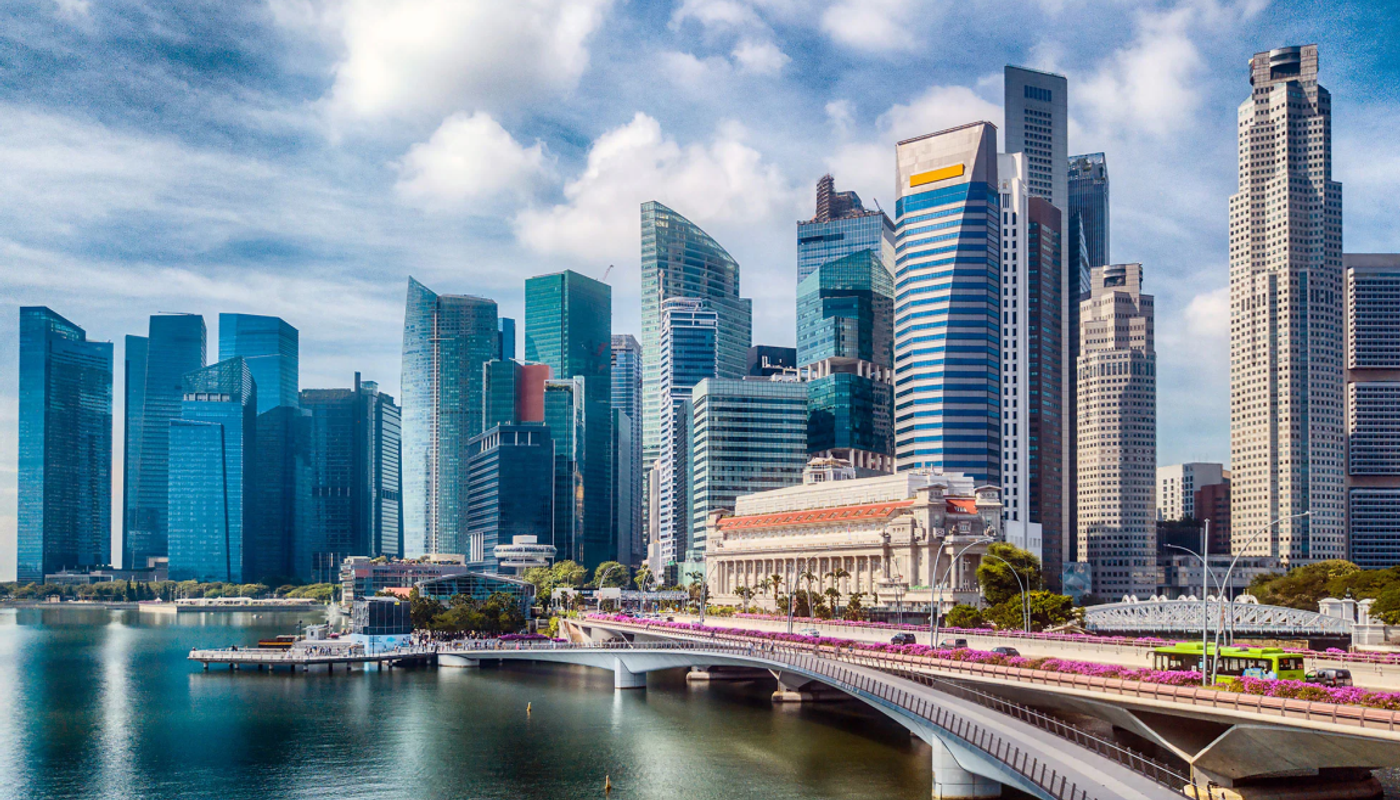
Singapore continues to rank among the world’s leading jurisdictions for setting up a holding company in 2026, thanks to its robust legal framework, political stability, and globally competitive tax regime. A Singapore holding company is widely used for international expansion, asset protection, and centralised ownership of subsidiaries across multiple jurisdictions.
Notably, Singapore consistently ranks among the top global business hubs, with over 37,000 international companies operating in the country, reinforcing its position as a preferred base for global corporate structures.
That said, incorporating a holding company in Singapore is not entirely straightforward, especially for foreign founders. The process involves careful navigation of corporate structuring, tax planning, compliance obligations, and banking setup. While holding companies are generally considered lower risk, complex cross-border ownership structures, UBO disclosure requirements, and strict AML/KYC checks can create friction during bank or EMI onboarding.
This guide provides a complete breakdown of how to start a holding company in Singapore, covering everything from company structures and incorporation steps to costs, timelines, tax advantages, and banking solutions for globally operating businesses.
Find Top Company Formation Services in Singapore
With the Binderr, you can:
- Find licensed company formation agents and CSPs in Singapore that support holding company structures
- Check holding company setup support and regulatory coverage
- Compare providers by price, speed, and services
- Find holding company-friendly banking options and more
- Incorporate your holding company in Singapore today
What is a Holding Company in Singapore?
A holding company in Singapore is a legal entity established to own shares in other companies (subsidiaries), rather than engage in direct operational activities. This structure is commonly used for asset protection, tax optimization, risk isolation, and centralized ownership of global business operations. Businesses looking to set up a holding company in Singapore often use this model to efficiently manage multiple entities under one parent company.
A Singapore holding company structure is widely adopted by multinational corporations, startups expanding internationally, and investors managing cross-border investments and offshore holding company setups.
By using a holding company incorporation in Singapore, businesses can separate liabilities between entities, streamline ownership structures, and take advantage of Singapore holding company tax benefits, including access to double taxation treaties and a strong regulatory environment.
Why Set Up a Holding Company in Singapore?
Setting up a holding company in Singapore offers a strategic advantage for businesses looking to optimise global structures, reduce tax exposure, and manage cross-border operations efficiently.
With its strong regulatory framework, extensive tax treaty network, and business-friendly environment, a Singapore holding company structure is ideal for international expansion, asset protection, and long-term corporate growth.
Attractive corporate tax rate (17%) with exemptions - Singapore offers a competitive corporate tax rate of 17%, along with partial tax exemptions for new companies and startups. For businesses looking to set up a holding company in Singapore, this creates significant opportunities for tax efficiency and profit optimization, especially when managing income from multiple subsidiaries.
Extensive Double Taxation Agreements (DTAs) - A Singapore holding company structure benefits from access to over 90 Double Taxation Agreements (DTAs), helping businesses avoid being taxed twice on the same income. This is particularly valuable for cross-border operations and global holding company setups, where profits flow between multiple jurisdictions.
No capital gains tax on disposal of shares - One of the key Singapore holding company tax benefits is the absence of capital gains tax. This means businesses can sell shares in subsidiaries or exit investments without additional tax burdens, making holding company incorporation in Singapore highly attractive for investors and long-term exit strategies.
Strong legal framework and investor protection - Singapore is known for its transparent legal system and strict regulatory standards. A holding company in Singapore operates within a well-established framework that ensures investor protection, contract enforcement, and corporate governance, giving confidence to international stakeholders.
Strategic location for Asia-Pacific expansion - Singapore’s geographic position makes it a gateway to the Asia-Pacific region, allowing businesses to efficiently manage operations across key markets like Southeast Asia, China, and India. This makes it ideal for companies planning to register a holding company in Singapore for regional expansion.
Access to global banking and financial services - A major advantage of setting up a holding company in Singapore is access to a strong ecosystem of international banks and fintech providers. Businesses can choose from traditional banks and EMIs, enabling smooth corporate banking, cross-border payments, and financial management for global operations.
Types of Holding Company Structures in Singapore
Choosing the right holding company structure in Singapore is critical for tax efficiency, compliance, and scalability. Depending on your business goals, different structures can be used:
Pure Holding Company
A pure holding company in Singapore is a legal entity that is established solely to hold shares in subsidiaries without engaging in any operational or commercial activities. This type of Singapore holding company structure is commonly used for investment holding, asset protection, and long-term wealth management.
Businesses that want to set up a holding company in Singapore for passive income, dividend collection, and ownership consolidation often choose this model. It also simplifies holding company incorporation in Singapore, as compliance requirements are generally more straightforward compared to operational entities.
Mixed Holding Company
A mixed holding company in Singapore combines both ownership of subsidiaries and active business operations within the same entity. This structure is ideal for companies that want to retain control over multiple business units while continuing their own commercial activities.
Many entrepreneurs opt for this when they register a holding company in Singapore to manage regional operations while still generating revenue directly. It is commonly used in scalable business models and international expansion strategies, where the parent company plays both strategic and operational roles.
Intermediate Holding Company
An intermediate holding company in Singapore is positioned between the ultimate parent company and its subsidiaries, forming part of a multi-layered global holding company structure. This setup is widely used in cross-border corporate structuring, tax planning, and regulatory optimisation.
Businesses use this model to optimise tax exposure, manage risk, and improve operational flexibility across different jurisdictions. When planning a global holding company in Singapore, intermediate entities are often introduced to take advantage of Singapore holding company tax benefits and double taxation agreements (DTAs).
Offshore Holding Structure
An offshore holding company in Singapore is designed for international founders and investors managing cross-border investments, global subsidiaries, and international assets. This structure leverages Singapore’s extensive tax treaty network, strong regulatory reputation, and business-friendly environment.
Many businesses choose to set up a holding company in Singapore as part of an offshore structure to improve tax efficiency, facilitate global fund flows, and enhance credibility with banks and investors. It is particularly popular for multinational groups, private equity structures, and international expansion strategies.
Ready to Set Up a Holding Company in Singapore?
Compare vetted company formation agents and corporate service providers that understand international and structured businesses.
- Find top company formation agents and CSPs in Singapore
- Compare by cost, setup time, and licence scope
- Filter agents specialised in holding structures and cross-border setups
- Explore services, features, and add-ons (tax, compliance, substance)
- Find holding company-friendly banks and EMIs
Costs to Start a Holding Company in Singapore
The cost of setting up a holding company in Singapore depends on service providers, structure complexity, and compliance requirements. While government fees are relatively low, total costs include incorporation, nominee services, and ongoing compliance.
| Cost Component | Price | Description |
|---|---|---|
| Company Incorporation | $1,000 – $3,000 | Includes ACRA government filing fees, company name reservation, and corporate service provider (CSP) support for documentation preparation and submission. |
| Legal & Advisory | $2,000 – $10,000+ | Covers legal structuring, tax planning, drafting of shareholder agreements, and advice on optimising your Singapore holding company structure for global operations. |
| Nominee Director | $1,500 – $5,000/year | Mandatory for non-residents to meet local director requirements; includes compliance oversight, risk coverage, and regulatory representation. |
| Registered Address | $300 – $1,000/year | Provides an official Singapore business address for statutory communication, regulatory filings, and maintaining a corporate presence. |
| Banking Setup | $500 – $2,000 | Assistance with opening a corporate bank account or EMI account, including KYC documentation preparation and onboarding support. |
| Compliance & Accounting | $2,000 – $8,000/year | Includes bookkeeping, financial statements, tax filing with IRAS, annual returns filing with ACRA, and ongoing compliance management. |
| Company Secretary | $500 – $2,000/year | Required under Singapore law; handles statutory registers, annual filings, corporate governance, and ensures compliance with regulatory deadlines. |
| Audit (if applicable) | $2,000 – $10,000+/year | Required if the company exceeds audit exemption thresholds; includes financial audits, reporting, and ensuring transparency for stakeholders and regulators. |
Estimated Total Cost by Types
The total cost of setting up a holding company in Singapore can vary depending on whether you are a local founder, a foreign entrepreneur, or building a complex offshore holding company structure.
Local Holding Company Setup
- Estimated Total: $3,000 – $8,000 (first year)
- Suitable for Singapore residents with simple ownership structures and minimal compliance complexity.
Foreign-Owned Holding Company Setup
- Estimated Total: $5,000 – $15,000+ (first year)
- Includes nominee director services, enhanced KYC checks, and higher compliance requirements for non-residents.
Offshore / Multi-Tier Holding Structure
- Estimated Total: $10,000 – $30,000+ (first year)
- Designed for global businesses with multiple subsidiaries, requiring advanced tax planning, legal structuring, and cross-border compliance.
How Long Does It Take to Set Up a Holding Company in Singapore
Setting up a holding company in Singapore is relatively fast compared to other jurisdictions, but timelines may vary depending on the structure complexity and banking approvals.
The timeline for holding company incorporation in Singapore typically depends on company structure, regulatory approvals, and the speed of corporate bank account opening, especially for foreign-owned or complex Singapore holding company structures.
Company Name Approval (1–2 days) - Reserving your company name with ACRA is usually quick, provided the name does not require additional regulatory approval.
Company Incorporation (1–3 days) - Once documents are ready, holding company incorporation in Singapore can be completed within a few days through BizFile+.
Corporate Structuring & Documentation (1–2 weeks) - Setting up the right Singapore holding company structure, preparing ownership charts, and finalising legal documents may take longer for complex or multi-tier structures.
Nominee Director & Compliance Setup (3–7 days) - Appointing a nominee director, company secretary, and registered address is required for foreign-owned holding companies in Singapore.
Bank Account Opening (2–8 weeks) - Opening a corporate account depends on KYC checks, UBO verification, and the complexity of the global holding company structure.
Tax Registration (1–2 weeks) - Registration with IRAS and setting up tax compliance may take additional time after incorporation.
Full Operational Readiness (3–6 weeks) - Including banking, compliance, and documentation, most businesses can fully set up a holding company in Singapore and become operational within this timeframe.
Setting Up a Holding Company in Singapore with Binderr
- Fully licensed and verified CSPs in Singapore
- Compare based on cost and time
- Explore packages with transparent pricing
- Check incorporation speed and fast-track options
- Apply and track everything in one place
Documents Required to Register a Holding Company in Singapore
To register a holding company in Singapore, founders must provide personal and corporate documentation to meet KYC, AML, and regulatory requirements.
These document requirements for holding company registration in Singapore are essential for completing KYC verification, AML compliance, and UBO identification, ensuring a smooth holding company incorporation in Singapore process.
Personal Documents:
- Passport copy
- Proof of residential address
- Bank reference letter (optional)
- Curriculum Vitae (CV) / Professional Profile
- Source of funds declaration
- Personal tax identification number (TIN)
- Proof of wealth (if applicable)
Company Documents:
- Parent company documents (if applicable)
- Shareholding structure/ownership chart
- Business activity description
- Certificate of incorporation (for corporate shareholders)
- Board resolution/shareholder resolution
- Register of directors and shareholders
- Financial statements (if applicable)
- Business plan or structure overview
- Subsidiary details (if already established)
Banking for Holding Company in Singapore
Opening a corporate bank account for a holding company in Singapore is a crucial part of the holding company incorporation in Singapore process, but it can be complex, particularly for foreign-owned holding companies and businesses with multi-layered or global holding company structures. Banks and EMIs in Singapore follow strict KYC (Know Your Customer), AML (Anti-Money Laundering), and UBO (Ultimate Beneficial Owner) verification processes, which require detailed documentation and transparency around ownership, source of funds, and business activity.
For businesses planning to set up a holding company in Singapore, banking approval often depends on how well the company structure is defined. Factors such as multi-layered ownership structures, offshore holding company setups, cross-border transactions, and high-risk jurisdictions can impact onboarding timelines and approval rates. This makes early planning for banking during holding company incorporation in Singapore essential.
Traditional banks in Singapore typically require physical presence, in-depth due diligence, higher minimum balance requirements, and detailed compliance checks. They are often more selective when onboarding non-resident founders or complex holding company structures, especially those involving multiple jurisdictions or passive income flows such as dividends and royalties.
On the other hand, Electronic Money Institutions (EMIs) and fintech providers offer a more flexible alternative for Singapore holding company banking. EMIs usually provide faster onboarding, multi-currency accounts, lower entry barriers, and better support for international transactions, making them suitable for offshore holding company Singapore setups and global business operations.
Open a Business Account in Singapore
Most holding companies face delays at the banking stage, not the incorporation. Binderr helps you plan structure, compliance, and banking together.
- Find holding company-friendly banks and EMIs
- Compare onboarding costs, monthly fees, and timelines
- Filter by cross-border and multi-entity support
- Explore account features and limits
- Apply and track everything in one dashboard
Common Mistakes to Avoid During Holding Company Incorporation
Setting up a holding company in Singapore requires careful planning. Mistakes in structuring, compliance, or banking can lead to delays and inefficiencies.
Avoiding these common mistakes during holding company incorporation in Singapore is essential to ensure smooth company registration, compliance readiness, and successful banking onboarding for your Singapore holding company structure.
Choosing the Wrong Structure - Selecting an unsuitable Singapore holding company structure can impact tax efficiency, scalability, and control over subsidiaries, especially in cross-border setups. It may also result in costly restructuring later when expanding into new jurisdictions or onboarding investors.
Poor Ownership Planning - Failing to properly design the shareholding and UBO structure can lead to compliance issues, banking delays, and complications in future investments or exits. A poorly defined ownership structure can also raise red flags during AML checks and due diligence processes.
Ignoring Tax Optimisation Opportunities - Not leveraging Singapore holding company tax benefits, such as DTAs, exemptions, and capital gains advantages, can reduce overall profitability. This often leads to inefficient profit repatriation and higher tax exposure across multiple jurisdictions.
Incomplete KYC and Documentation - Missing or unclear documentation during holding company registration in Singapore can slow down incorporation and create challenges during bank or EMI onboarding. It can also result in repeated requests from compliance teams, delaying both setup and operational readiness.
Underestimating Banking Challenges - Many founders assume banking is straightforward, but complex global holding company structures often face delays due to strict AML and compliance checks. Without proper preparation, account opening timelines can extend significantly or even lead to rejections.
Weak Compliance and Substance Setup - Ignoring ongoing compliance requirements, local substance, and regulatory obligations can lead to penalties and affect the long-term sustainability of the holding company in Singapore. It may also impact eligibility for tax benefits and reduce credibility with banks, regulators, and investors.
Bottom Line
Singapore remains a top jurisdiction to set up a holding company in Singapore in 2026, offering tax efficiency, strong regulation, and global credibility. A well-structured Singapore holding company enables businesses to manage global subsidiaries, optimise taxes, and benefit from DTAs and zero capital gains tax.
For international founders, holding company incorporation in Singapore provides a scalable base for offshore structures, asset protection, and cross-border expansion. Success depends on the right structure, compliance setup, and smooth banking onboarding.
A properly set up global holding company in Singapore can drive long-term growth and efficient international operations.
To simplify the process, Binderr helps you compare trusted company formation providers, compliance experts, and banking options so you can set up your Singapore holding company with confidence and speed.