Hong Kong Company Formation in 2026 (For Non-Residents)
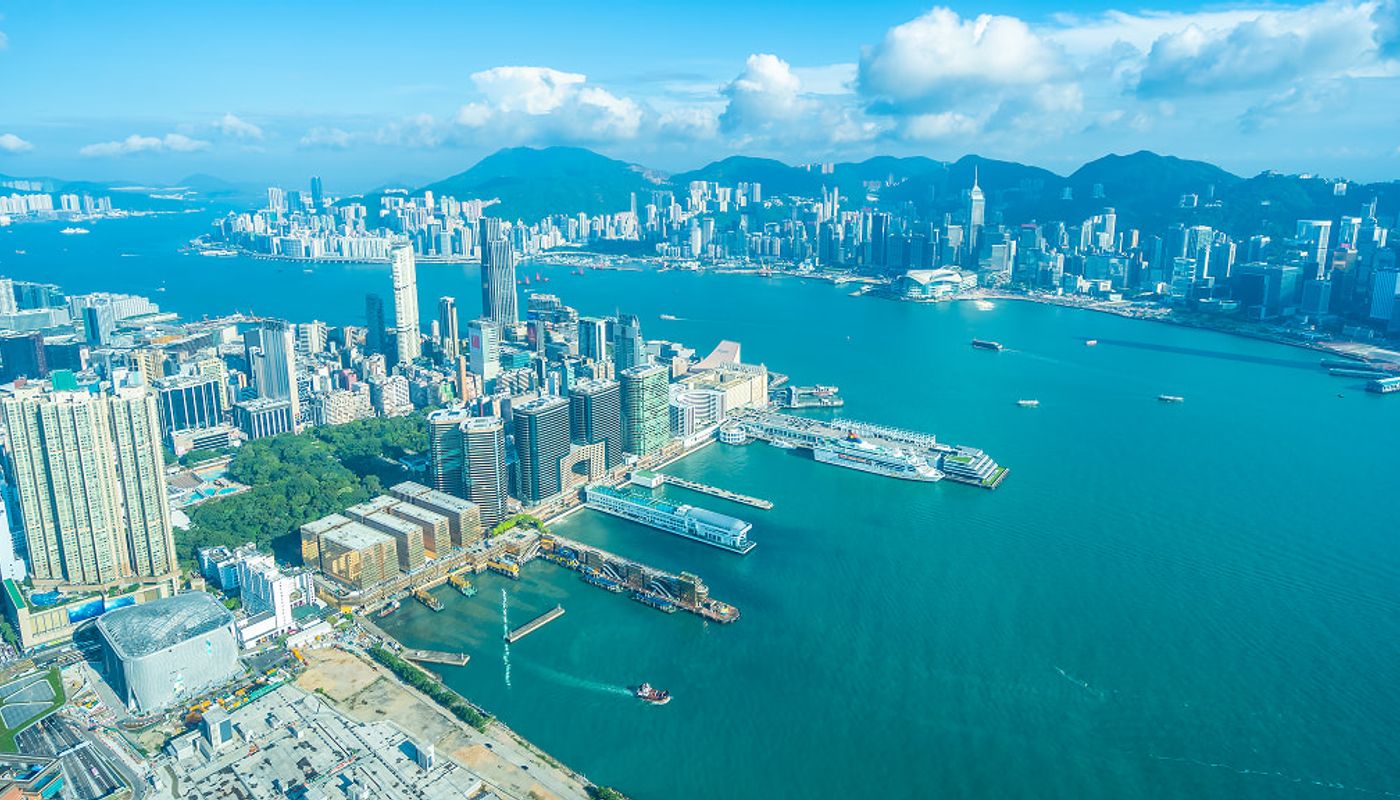
Hong Kong company formation remains one of the most attractive options for global founders due to its low-tax regime, strategic access to Asian markets, and business-friendly regulatory framework. Setting up a Hong Kong limited company offers scalability, credibility, and international banking access.
Company formation in Hong Kong can be straightforward if you choose the right corporate service provider and understand the company registration process, compliance requirements, and banking expectations. With the right setup, non-residents can complete Hong Kong company formation remotely and efficiently.
This guide breaks down everything you need to know about Hong Kong company formation in 2026, including company types, costs, timelines, banking options, and how to choose the best company formation services in Hong Kong.
Why Set Up a Company in Hong Kong?
Hong Kong is a leading global business hub offering tax efficiency, ease of doing business, and strong financial infrastructure.
Low corporate tax rate (8.25%–16.5%) - Hong Kong company formation offers one of the most competitive tax regimes globally, with corporate tax rates capped at 16.5%. This makes it highly attractive for international businesses, startups, and holding structures looking for a tax-efficient company setup in Hong Kong. This directly improves profit retention and long-term scalability for global founders.
No VAT, capital gains tax, or dividend withholding tax - A key advantage of the Hong Kong business setup is its simple tax system. There is no VAT, no capital gains tax, and no withholding tax on dividends, making Hong Kong company formation ideal for global trade, investment vehicles, and cross-border businesses. This creates a highly efficient structure for international profit distribution and reinvestment.
100% foreign ownership allowed - Non-residents can fully own a Hong Kong company without local shareholders. This makes Hong Kong company formation for foreigners highly flexible, allowing international founders to retain full control while operating globally. It eliminates dependency on local partners and simplifies ownership structures.
Strategic gateway to Asia and China - Hong Kong serves as a strategic hub for accessing China and the broader Asia-Pacific market. Setting up a company in Hong Kong enables businesses to expand regionally while benefiting from strong trade connections and global credibility. This makes it ideal for companies targeting cross-border growth in Asia.
Fast company registration process - The Hong Kong company registration process is efficient and streamlined, often completed within a few days. This makes it one of the fastest jurisdictions for company formation, especially for non-residents looking to start quickly. Faster setup means quicker market entry and reduced operational delays.
Strong banking and fintech ecosystem - Hong Kong offers a robust financial ecosystem with access to international banks, EMIs, and fintech solutions. This supports seamless global transactions, multi-currency accounts, and reliable business banking for Hong Kong companies. It ensures businesses can operate efficiently across multiple jurisdictions with ease.
Find Top Company Formation Services in Hong Kong
- Compare top-rated, licensed CSPs quickly and easily online
- See pricing, timelines, and inclusions at a glance
- Filter for remote setup and fast-track options
- Start your Hong Kong company setup instantly
Types of Companies You Can Form in Hong Kong
Understanding different company structures in Hong Kong is essential for selecting the right setup based on tax efficiency, operational scope, and compliance requirements. Choosing the right structure is a key step in Hong Kong company formation for non-residents and directly impacts taxation, liability, and banking success.
Private Limited Company (Ltd)
A private limited company is the most popular structure for Hong Kong company formation. It provides limited liability, a separate legal identity, and strong credibility for international trade, global expansion, and Hong Kong business bank account setup.
Features:
- Separate legal entity
- Limited liability protection
- Eligible for Hong Kong tax benefits
- Easy ownership transfer
Best for: Startups, SMEs, international businesses, non-resident founders setting up a company in Hong Kong
Public Company
A public company structure is suitable for large-scale Hong Kong company registration where businesses plan to raise capital publicly or list on stock exchanges. It involves stricter compliance, disclosure, and regulatory requirements under Hong Kong corporate laws.
Features:
- Public fundraising capability
- Higher compliance obligations
- Enhanced credibility and investor trust
Best for: Large corporations, IPO-ready companies, and high-growth enterprises
Branch Office
A branch office allows foreign companies to expand into Hong Kong without a separate legal entity. It is a common option in Hong Kong business setup for foreigners looking to operate under an existing parent company while entering Asian markets.
Features:
- Controlled by the parent company
- Not a separate legal entity
- Simplified Hong Kong company registration process
Best for: International companies expanding operations into Hong Kong
Representative Office
A representative office is ideal for foreign companies exploring the Hong Kong market before full company formation. It is commonly used in early-stage Hong Kong business setup for non-residents focusing on research and brand presence.
Features:
- Cannot generate revenue
- Limited operational scope
- Simple compliance requirements
Best for: Market research, initial entry, and testing business opportunities in Hong Kong
Step-by-Step: How to Form a Company in Hong Kong
The Hong Kong company registration process includes structured steps from name approval to banking setup.
Step 1: Choose Company Name
Choosing the right company name is the first step in the Hong Kong company formation process. Your name must comply with the Hong Kong Companies Registry rules and align with your business activity, branding, and long-term scalability. A strong name also improves credibility during Hong Kong business bank account opening and compliance checks.
Key Requirements:
- Must be unique and not identical to existing Hong Kong company names
- Can be in English, Chinese, or both
- Should not contain restricted or sensitive words without approval
- Must align with Hong Kong company registration guidelines
Selecting a compliant and strategic company name helps avoid delays in the Hong Kong company registration process. It also strengthens your brand positioning for international business expansion.
Step 2: Select Company Structure
Selecting the right structure is a critical decision in company formation in Hong Kong for non-residents. The structure impacts taxation, liability, compliance requirements, and ease of opening a Hong Kong business bank account. Most founders opt for a Hong Kong limited company due to its flexibility and global acceptance.
Common Options:
- Private Limited Company (most popular for Hong Kong company formation)
- Branch Office (for foreign parent companies expanding into Hong Kong)
- Representative Office (for market research and non-commercial activities)
Choosing the right company structure ensures your Hong Kong business setup is aligned with your operational goals, tax efficiency, and future scaling plans. It also improves approval chances for banking and compliance.
Step 3: Appoint Directors and Shareholders
Appointing directors and shareholders is a mandatory step in the Hong Kong company registration process. This defines ownership, control, and governance of your Hong Kong limited company. Non-residents can fully own and manage the company, making Hong Kong company formation for foreigners highly accessible.
Key Requirements:
- Minimum one director (individual, not necessarily a Hong Kong resident)
- Minimum one shareholder (individual or corporate entity)
- The director and shareholder can be the same person
- Must maintain proper ownership and UBO (Ultimate Beneficial Owner) records
A well-defined ownership and management structure strengthens your Hong Kong business setup and improves KYC/AML compliance during banking and regulatory reviews. It also ensures transparency and long-term operational stability.
Step 4: Prepare Company Documents
Preparing accurate and complete documentation is a critical step in the Hong Kong company formation process. Proper documentation ensures smooth approval during the Hong Kong company registration process and reduces delays in compliance and banking.
Key Documents Include:
- Articles of Association (company constitution)
- Shareholding and ownership structure (UBO details)
- Registered office address in Hong Kong
- Identification and KYC documents of directors/shareholders
- Business activity description or business plan
Well-prepared documentation strengthens your Hong Kong business setup and improves approval chances with regulators and banks. It also ensures faster onboarding for Hong Kong business bank account opening.
Step 5: Register with Companies Registry
Registering your company with the Hong Kong Companies Registry is the official step that completes your Hong Kong company formation. This process legally incorporates your business and provides a Certificate of Incorporation.
Key Actions:
- Submit incorporation application (NNC1 form for limited companies)
- Provide company name, structure, and director details
- Upload Articles of Association
- Pay government registration fees
Successful registration confirms your Hong Kong limited company formation and allows you to legally operate and proceed with business setup. This step is essential for compliance and future banking approvals.
Step 6: Obtain Business Registration Certificate
After incorporation, obtaining a Business Registration Certificate is mandatory for operating legally in Hong Kong. This step is part of the Hong Kong business setup process and is managed by the Inland Revenue Department.
Key Requirements:
- Apply for Business Registration Certificate (BRC)
- Pay annual business registration fees
- Ensure business activity is correctly declared
The Business Registration Certificate enables your company to conduct business activities, issue invoices, and operate compliantly in Hong Kong. It is also required for opening a Hong Kong business bank account.
Step 7: Open a Business Bank Account
Opening a Hong Kong business bank account is one of the most critical and challenging steps, especially for non-residents. Banks and EMIs require strict KYC/AML checks to ensure transparency, legitimacy, and compliance with international regulations.
Key Requirements:
- Complete KYC/AML verification
- Submit business plan and transaction flow details
- Provide a source of funds and a source of wealth
- Share ownership structure and UBO details
A well-prepared banking application significantly improves approval chances for Hong Kong business banking. Choosing the right bank or EMI ensures smooth international transactions and long-term operational efficiency.
Ready to Start Company Formation in Hong Kong?
- Discover top-rated Hong Kong CSPs quickly and easily online
- Compare pricing, timelines, and services
- Filter fast-track and remote options
- Apply instantly and track in one place
Hong Kong Company Formation Costs
The cost of company formation in Hong Kong depends on structure, compliance, and banking requirements.
| Cost Component | Price | Description |
|---|---|---|
| Company Formation | HKD 1,500 – 5,000 | Company registration and incorporation filing. |
| Company Secretary | HKD 1,000 – 3,000/year | Mandatory compliance and statutory filings. |
| Registered Address | HKD 1,000 – 3,000/year | Legal address for registration and communication. |
| Legal & Advisory | HKD 2,000 – 10,000+ | Structuring, tax, and compliance support. |
| Banking Setup | HKD 0 – 10,000 | Account opening and KYC/AML onboarding. |
| Government Fees (BRC & Filing) | HKD 2,000 – 3,500 | Business registration and filing fees. |
| Accounting & Audit | HKD 5,000 – 20,000+/year | Ongoing bookkeeping and audit compliance. |
Estimated Total Cost by Type (First Year)
Basic Limited Company (HKD 5,000 – 10,000):
Suitable for startups and small businesses, covering basic Hong Kong company formation, registration, and minimal compliance setup.
Holding Company (HKD 8,000 – 15,000):
Ideal for asset holding or international structuring with low operational activity and simplified Hong Kong business setup.
Trading Company (HKD 10,000 – 25,000):
Designed for active businesses handling international trade, requiring stronger banking, compliance, and transaction setup.
Investment Vehicle (HKD 15,000 – 40,000):
Used for asset management, investment holding, or cross-border structures with enhanced compliance and documentation needs.
High-Substance Structure (HKD 30,000 – 100,000+):
Includes local substance, office setup, and advanced compliance for regulated or large-scale Hong Kong company formation.
High-risk company (HKD 50,000 – 200,000+):
Required for regulated sectors or high-risk industries, including licensing, enhanced due diligence (EDD), and complex banking setups.
How Long Does It Take for Company Formation in Hong Kong
Hong Kong company formation timelines are generally fast and efficient, but they depend on factors such as company structure, documentation readiness, and business banking approval for non-residents.
Below is a breakdown of expected timelines for Hong Kong company registration, business setup, and banking onboarding across different scenarios.
- Standard setup with banking: 2–6 weeks
- Simple holding company: 1–3 weeks
- Multiple shareholders: 2–4 weeks
- Licensed businesses: 2–6 months
- Company incorporation only (no banking): 1–5 business days
- Name approval and reservation: 1–2 business days
- Banking with EMIs (faster onboarding): 1–3 weeks
- Banking with traditional banks: 4–12 weeks
- Complex ownership (multi-layer UBOs): 3–6 weeks
- Compliance and document preparation: 3–10 business days
Set Up a Company in Hong Kong
- Access verified Hong Kong CSPs quickly online
- View transparent pricing instantly
- Get faster onboarding options
- Compare and apply in one dashboard
Documents Required for Hong Kong Company Formation
Hong Kong company formation requires a clear set of KYC and AML documents to verify identity, ownership, and business activity for non-residents and global founders.
Below is a complete list of personal and company documents required for Hong Kong company registration, compliance approval, and business bank account opening.
Personal Documents:
- Passport copy
- Proof of address
- CV
- Bank reference
- Source of wealth declaration
- Professional reference or LinkedIn profile
Company Documents:
- Business plan
- Articles of Association
- Shareholding structure
- Source of funds
- Board resolution (if corporate shareholder involved)
- Financial projections or transaction flow summary
Banking for Hong Kong Companies
Opening a Hong Kong business bank account is one of the most critical steps in Hong Kong company formation, especially for non-residents. Due to strict KYC (Know Your Customer) and AML (Anti-Money Laundering) regulations, banks carefully assess business activity, ownership structure, and source of funds before approving accounts.
For Hong Kong business setup for foreigners, there are two main options: traditional banks and EMIs (Electronic Money Institutions), each with different onboarding requirements, timelines, and flexibility.
Traditional Banks
Traditional banks in Hong Kong offer strong credibility and full-service banking but have stricter onboarding processes for non-resident founders and international businesses.
- Strict KYC/AML compliance and due diligence requirements
- Longer onboarding timelines (often 4–12 weeks)
- Higher minimum balance requirements
- Preference for established businesses and low-risk sectors
Traditional banking is ideal for businesses seeking long-term stability, large transaction volumes, and access to full financial services. However, approval can be challenging for startups and high-risk industries during Hong Kong company formation.
EMIs (Electronic Money Institutions)
EMIs provide a faster and more flexible alternative for Hong Kong business banking, especially for startups, digital businesses, and non-resident founders.
- Faster onboarding (typically 1–3 weeks)
- More flexible KYC requirements compared to banks
- Multi-currency IBAN accounts and global payment support
- Lower minimum balance and easier access for international businesses
EMIs are ideal for companies looking to open a business account in Hong Kong quickly and manage cross-border transactions efficiently. They are widely used in modern Hong Kong company formation for faster market entry and operational flexibility.
Open a Business Account in Hong Kong
- Compare top banks and EMIs easily online
- See fees and onboarding times instantly
- Filter by risk profile and requirements
- Apply and track in one dashboard
Common Mistakes During Hong Kong Company Formation
Avoiding common mistakes during Hong Kong company formation is essential to ensure faster company registration, smoother compliance, and successful business bank account approval for non-residents.
Below are the most common mistakes in company formation in Hong Kong for non-residents that can delay setup, increase costs, and impact long-term business success.
Wrong Company Structure: Choosing the wrong structure during Hong Kong company formation can lead to tax inefficiencies, higher compliance costs, and difficulty opening a Hong Kong business bank account for non-residents.
Solution: Select the right structure (usually a Hong Kong limited company) based on your business model, tax planning, and banking needs to ensure smooth company registration and scalability.
Weak Business Plan: A weak or generic business plan can delay Hong Kong company registration and reduce approval chances during KYC/AML checks for business banking.
Solution: Prepare a clear, detailed business plan with transaction flows, revenue model, and target markets to support Hong Kong business setup and banking approval.
Incomplete KYC Documents: Missing or inconsistent KYC documents can lead to delays in Hong Kong company formation and rejection during AML verification by banks or EMIs.
Solution: Ensure all personal and company documents (passport, proof of address, source of funds, UBO details) are complete and accurate for faster onboarding.
Banking Challenges Underestimated: Many founders underestimate the difficulty of opening a Hong Kong business bank account, especially for non-residents and high-risk sectors.
Solution: Plan banking early, choose EMI alternatives if needed, and prepare strong compliance documentation to improve approval chances.
Lack of Compliance Support: Ignoring ongoing compliance requirements can lead to penalties, delays, and issues in maintaining a Hong Kong company.
Solution: Work with experienced corporate service providers (CSPs) to manage filings, AML compliance, and regulatory requirements efficiently.
Bottom Line
Hong Kong remains one of the best jurisdictions for global business expansion. With the right structure, compliance setup, and banking strategy, founders can successfully launch and scale internationally.
For non-resident founders, a well-planned Hong Kong company formation approach combined with strong KYC/AML preparation and the right banking partner can significantly reduce setup delays and unlock faster global market entry.
A structured approach also improves approval rates for company registration and business banking. This helps founders enter international markets with greater confidence and operational efficiency.

-360x240.webp?w=3840&q=75)